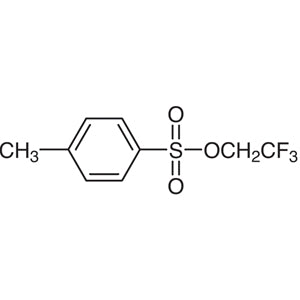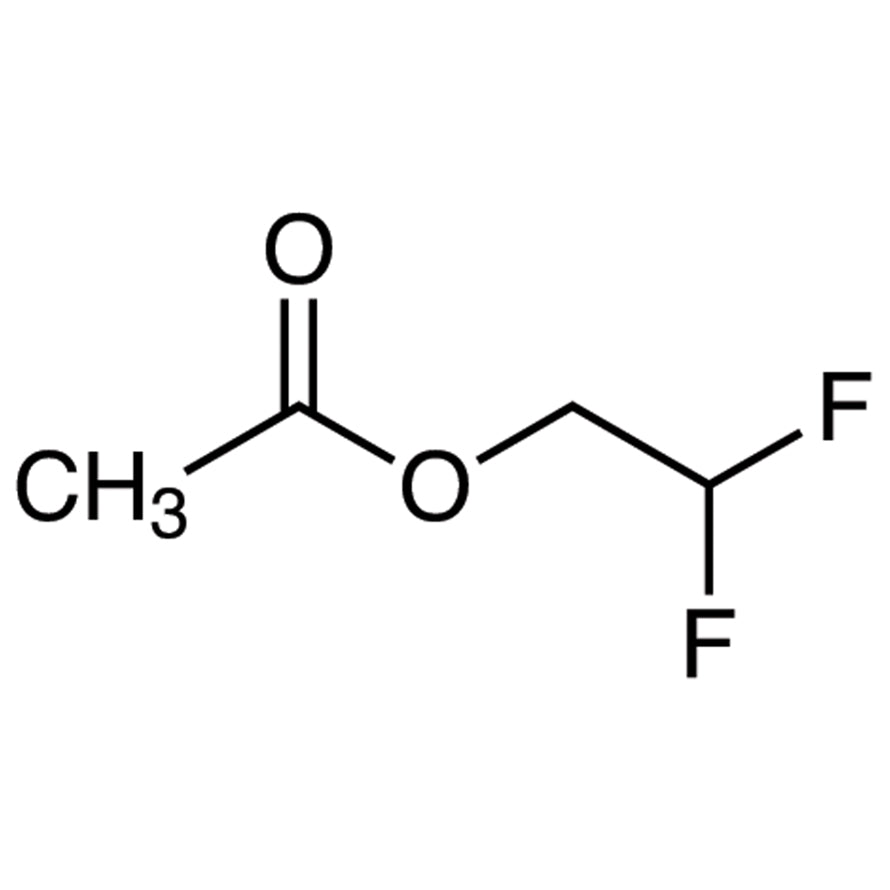
2,2-Difluoroethyl Acetate is a chemical compound widely used in laboratory settings for the synthesis of organofluorine compounds. As a fluorinated building block, it plays a crucial role in organic chemistry by enabling the creation of complex molecular structures with controlled fluorine incorporation. This compound is particularly valuable in research that requires precise functional group manipulation and molecular design. Its versatility makes it a key reagent in various synthetic pathways, supporting both academic and industrial chemical development.
The compound is known for its chemical stability and moderate reactivity, which are essential for maintaining controlled reaction conditions. These properties allow it to be used in substitution reactions and molecular coupling processes without causing unwanted side reactions. Its relatively low reactivity also simplifies handling and storage, making it a practical choice for laboratories aiming for both safety and efficiency. This balance of stability and reactivity ensures that it remains a reliable component in chemical synthesis workflows.
In Indonesian laboratories, 2,2-Difluoroethyl Acetate is commonly utilized in organic chemistry research, especially in pharmaceutical and materials science applications. It is frequently employed in the development of new compounds with potential applications in healthcare and industrial sectors. Research institutions and universities in Indonesia rely on this compound to advance their studies and contribute to the broader scientific community.
Related TCI products
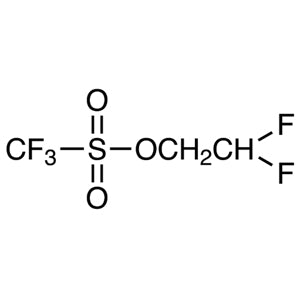
- TCI D5299 74427-22-8 2,2-Difluoroethyl Trifluoromethanesulfonate
- TCI T4284 58244-27-2 Tris(2,2,2-trifluoroethyl)orthoformate
- TCI T3991 370-69-4 Tris(2,2,2-trifluoroethyl) Phosphite
- TCI T3422 406-95-1 2,2,2-Trifluoroethyl Acetate
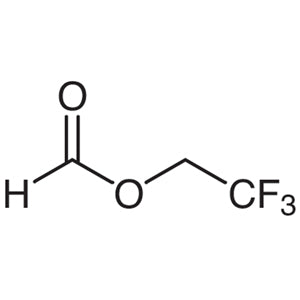
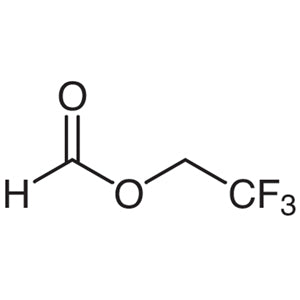
- TCI T2586 32042-38-9 2,2,2-Trifluoroethyl Formate
- TCI T1697 407-38-5 2,2,2-Trifluoroethyl Trifluoroacetate
- Synthesis of organofluorine compounds for pharmaceutical development due to its role in fluorine incorporation and molecular structure design.
- Fluorine substitution reactions where controlled reactivity and stability are essential for producing targeted chemical structures.
- Molecular coupling processes in organic synthesis to build complex molecules with specific functional groups.
- Research in materials science for creating fluorinated polymers and specialty materials with unique properties.
- Development of new drugs and therapeutic agents through fluorinated compound synthesis in academic and industrial laboratories.
| Brand | TCI |
|---|---|
| CAS number | 1550-44-3 |
| Molecular formula | — |
| Purity | — |
| Category | Chemistry > Building Blocks > Fluorinated Building Blocks |
| Pack sizes | Available in standard laboratory quantities as per supplier specifications |
| Physical form | Liquid |
| Storage | Store in a cool, dry place away from direct sunlight and incompatible materials |
This compound should be stored in a cool, dry environment, away from direct sunlight and sources of heat. It is recommended to use airtight containers made of materials compatible with organic solvents to prevent evaporation and contamination. Due to its moderate reactivity, it should be handled in a well-ventilated area, and appropriate personal protective equipment should be worn when working with it. Avoid contact with incompatible substances such as strong oxidizers or acids. Regular monitoring of storage conditions ensures the compound remains stable and suitable for use in laboratory applications.
—
Produk Terkait
-
2,2-DifluoroethylTrifluoromethanesulfonate TCI D5299
Regular price From Rp 1.353.450,00Regular price -
Tris(2,2,2-trifluoroethyl)orthoformate TCI T4284
Regular price From Rp 1.565.550,00Regular price -
Tris(2,2,2-trifluoroethyl)Phosphite TCI T3991
Regular price From Rp 1.538.250,00Regular price -
2,2,2-TrifluoroethylAcetate TCI T3422
Regular price From Rp 795.900,00Regular price -
2,2,2-TrifluoroethylFormate TCI T2586
Regular price From Rp 769.650,00Regular price -
2,2,2-TrifluoroethylTrifluoroacetate TCI T1697
Regular price Rp 2.094.750,00Regular price -
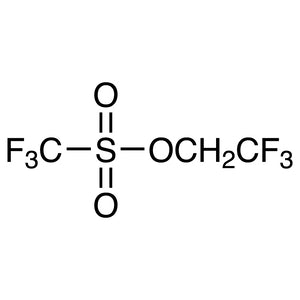
2,2,2-TrifluoroethylTrifluoromethanesulfonate TCI T1604
Regular price From Rp 3.232.950,00Regular price -
2,2,2-Trifluoroethylp-Toluenesulfonate TCI T1516
Regular price Rp 2.041.200,00Regular price