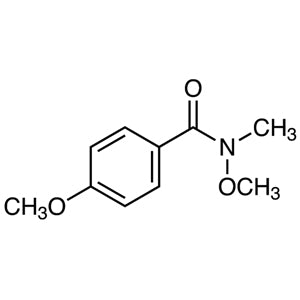
N,N-Diethylbenzamide (CAS 1696-17-9) is a chemical compound widely used in organic synthesis within laboratory settings. It is a key building block in the development of complex organic molecules, including pharmaceuticals, industrial chemicals, and intermediate compounds. Its molecular structure consists of an amide group attached to a benzene ring and two ethyl groups, making it versatile for various chemical reactions. This compound plays a crucial role in the synthesis of functionalized derivatives and is often utilized in research and development processes. Its stability and reactivity make it a reliable choice for chemists working on a wide range of applications.
The chemical properties of N,N-Diethylbenzamide make it a preferred choice in laboratory environments. It exhibits chemical stability against oxidation and hydrolysis, ensuring consistent performance during synthesis and purification processes. Its relatively high boiling and melting points facilitate efficient separation and purification techniques. Additionally, the presence of an amide group imparts moderate polarity, allowing it to dissolve in common organic solvents such as ethyl acetate and chloroform. These characteristics enhance its utility in substitution and esterification reactions, making it a valuable reagent in organic chemistry.
In Indonesian laboratories, N,N-Diethylbenzamide is commonly used in organic chemistry research, both in academic institutions and research centers. It is a fundamental reagent in the synthesis of various compounds, supporting advancements in pharmaceutical and industrial chemistry. Its availability and reliability make it a standard component in many laboratory workflows, contributing to the development of new chemical products and scientific discoveries.
- Organic synthesis is a primary application where N,N-Diethylbenzamide is used to create complex molecules due to its stable amide group and reactivity.
- Pharmaceutical research benefits from this compound as it serves as a building block for drug development and intermediate compounds.
- Industrial chemical production utilizes N,N-Diethylbenzamide for the synthesis of various functionalized derivatives and specialty chemicals.
- Analytical chemistry applications rely on its solubility properties for chromatographic and spectroscopic analysis of organic compounds.
- Teaching laboratories use this compound for educational purposes, demonstrating fundamental organic reactions and synthesis techniques.
| Brand | TCI |
|---|---|
| CAS number | 1696-17-9 |
| Molecular formula | — |
| Purity | — |
| Category | Chemistry > Building Blocks > Non-Heterocyclic Building Blocks |
| Pack sizes | Available in various quantities as per standard laboratory supply formats |
| Physical form | Solid, crystalline or amorphous depending on purity and storage conditions |
| Storage | Store in a cool, dry place away from direct sunlight and moisture |
N,N-Diethylbenzamide should be stored in a cool, dry environment to maintain its chemical stability. It is recommended to keep the compound in airtight containers to prevent exposure to moisture and air, which could affect its integrity. Suitable containers include glass or high-density polyethylene vessels that are resistant to chemical degradation. In laboratory settings, it is important to handle the compound with appropriate personal protective equipment, such as gloves and safety goggles, to ensure safe handling. Regular inspection of storage conditions is advised to maintain optimal performance and safety standards. Proper labeling and storage organization are essential to prevent cross-contamination and ensure easy access during routine use.
—
Produk Terkait
-
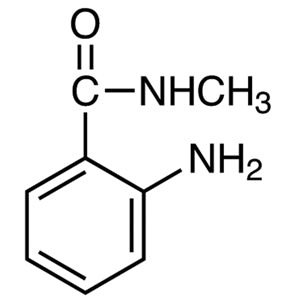
2-Amino-N-methylbenzamide TCI A2597
Regular price From Rp 1.803.900,00Regular price -
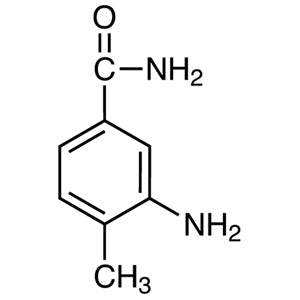
3-Amino-4-methylbenzamide TCI A2367
Regular price From Rp 1.193.850,00Regular price -
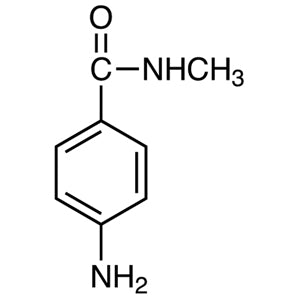
4-Amino-N-methylbenzamide TCI A2064
Regular price From Rp 848.400,00Regular price -
3-Amino-N-methylbenzamide TCI A1067
Regular price From Rp 2.174.550,00Regular price -
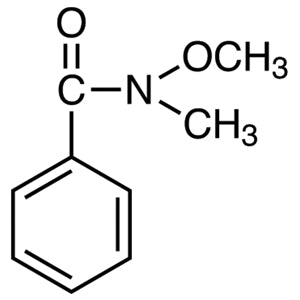
N-Methoxy-N-methylbenzamide TCI M2672
Regular price From Rp 1.961.400,00Regular price -
N-Methylbenzamide TCI M1680
Regular price From Rp 1.510.950,00Regular price -
3,4-Dimethylbenzamide TCI D6227
Regular price From Rp 2.199.750,00Regular price -
N,4-Dimethoxy-N-methylbenzamide TCI D5475
Regular price From Rp 1.565.550,00Regular price