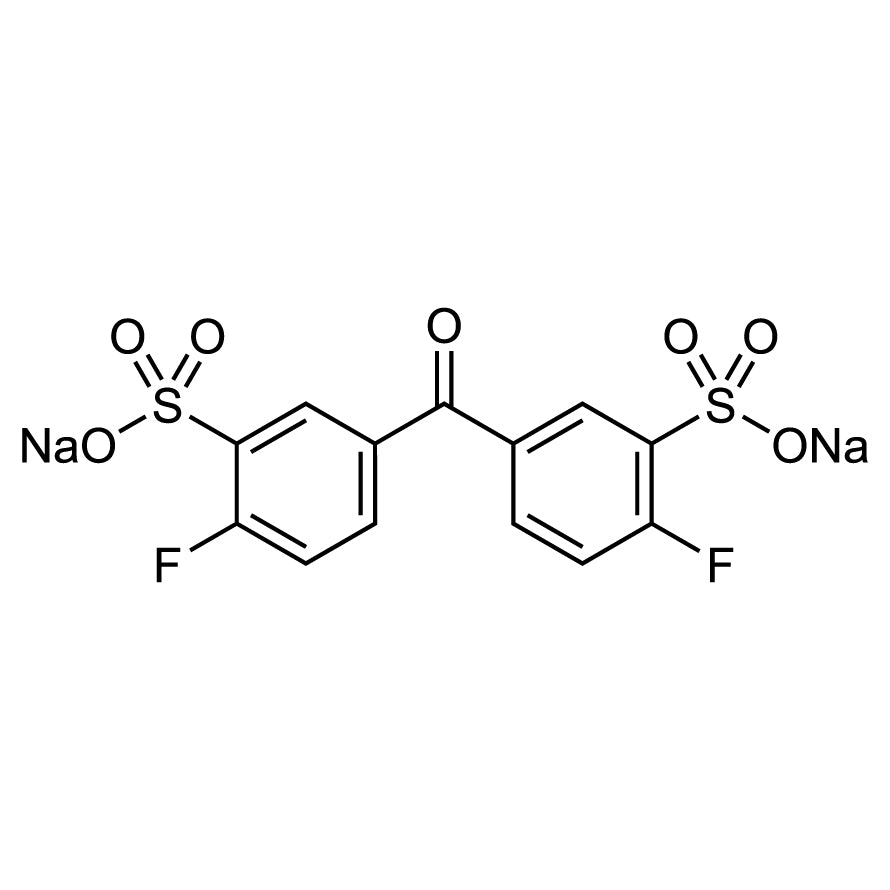
Sodium 5,5'-Carbonylbis(2-fluorobenzenesulfonate) is a chemical compound widely used in laboratory settings for its role in constructing complex molecular structures. This compound is a key building block in organic synthesis, particularly in reactions involving fluorinated and sulfonate groups. Its versatility makes it a valuable tool for chemists working on advanced synthetic pathways. Due to its reactivity and stability, it is frequently utilized in both academic and industrial research environments.
The compound's chemical properties, including its solubility in organic solvents and its ability to act as an electron donor, make it a preferred choice for various synthetic applications. Its molecular structure allows it to participate effectively in substitution reactions and other chemical transformations. The stability of the compound under controlled laboratory conditions ensures reliable results in experiments. Its reactivity also enables it to be used in reactions that require specific activation, making it a flexible reagent for diverse chemical processes.
In Indonesian laboratories, Sodium 5,5'-Carbonylbis(2-fluorobenzenesulfonate) is commonly used in organic synthesis research, especially in higher education institutions and research organizations. Its availability and effectiveness in complex reactions make it a popular choice for chemists. The compound supports a wide range of applications, from basic research to more advanced synthetic projects, contributing to the development of new chemical compounds and materials.
Related TCI products
- TCI T3128 220227-21-4 2,4,5-Trifluorobenzenesulfonyl Chloride
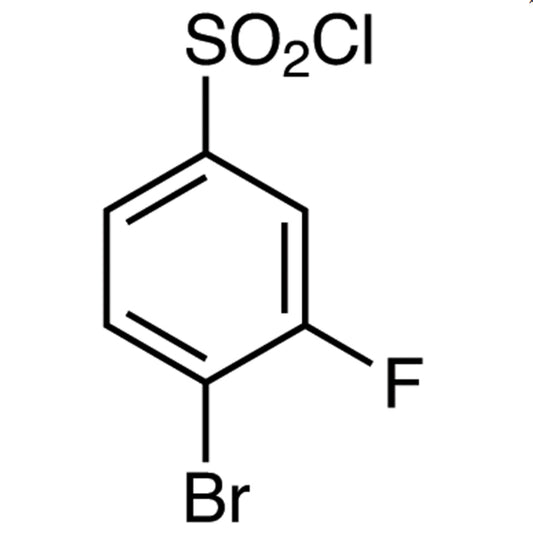
- TCI B3835 351003-51-5 4-Bromo-3-fluorobenzenesulfonyl Chloride
- TCI B3698 216159-03-4 4-Bromo-2-fluorobenzenesulfonyl Chloride
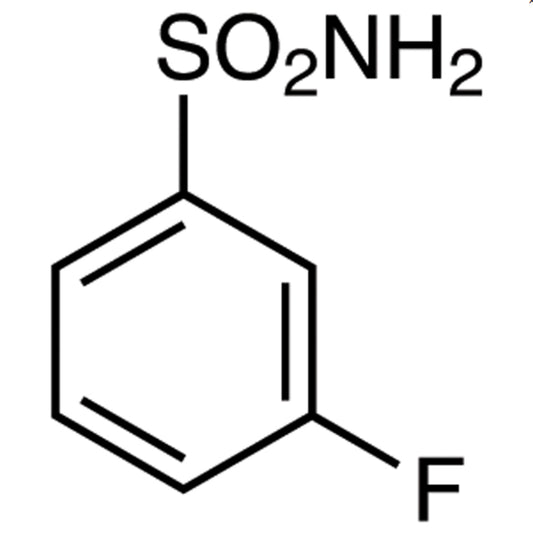
- TCI F1141 1524-40-9 3-Fluorobenzenesulfonamide
- TCI F0953 402-46-0 4-Fluorobenzenesulfonamide
- TCI F0795 2905-21-7 2-Fluorobenzenesulfonyl Chloride
- Organic synthesis of fluorinated compounds due to its ability to act as a fluorine donor in complex molecular structures.
- Reactions requiring sulfonate functionality for enhanced reactivity and stability in synthetic pathways.
- Substitution reactions where the compound serves as an electron donor, facilitating the formation of new chemical bonds.
- Research in fluorinated chemistry due to its structural compatibility with fluoro-containing molecules.
- Development of new chemical compounds in academic and industrial settings through its versatile reactivity profile.
| Brand | TCI |
|---|---|
| CAS number | 210531-45-6 |
| Molecular formula | — |
| Purity | — |
| Category | Chemistry > Building Blocks > Fluorinated Building Blocks |
| Pack sizes | Available in standard laboratory quantities as per supplier specifications |
| Physical form | Solid powder |
| Storage | Store in a cool, dry place away from moisture and direct sunlight |
Sodium 5,5'-Carbonylbis(2-fluorobenzenesulfonate) should be stored in a cool, dry environment to maintain its chemical stability. It is recommended to keep the compound in a sealed container to prevent exposure to moisture and air. The material is best stored in a well-ventilated laboratory area to minimize any potential risks associated with its reactivity. Suitable containers for storage include glass or high-density polyethylene vessels that are resistant to chemical corrosion. General laboratory precautions should be followed, such as wearing appropriate personal protective equipment when handling the compound. Regular monitoring of storage conditions ensures the compound remains in optimal condition for use in chemical experiments.
—
Produk Terkait
-
2,4,5-TrifluorobenzenesulfonylChloride TCI T3128
Regular price From Rp 1.538.250,00Regular price -
4-Bromo-3-fluorobenzenesulfonylChloride TCI B3835
Regular price From Rp 2.016.000,00Regular price -
4-Bromo-2-fluorobenzenesulfonylChloride TCI B3698
Regular price From Rp 823.200,00Regular price -
3-Fluorobenzenesulfonamide TCI F1141
Regular price From Rp 637.350,00Regular price -
4-Fluorobenzenesulfonamide TCI F0953
Regular price From Rp 1.035.300,00Regular price -
2-FluorobenzenesulfonylChloride TCI F0795
Regular price From Rp 1.485.750,00Regular price -
3-FluorobenzenesulfonylChloride TCI F0790
Regular price From Rp 1.670.550,00Regular price -
2-Fluorobenzenesulfonamide TCI F0557
Regular price From Rp 928.200,00Regular price