


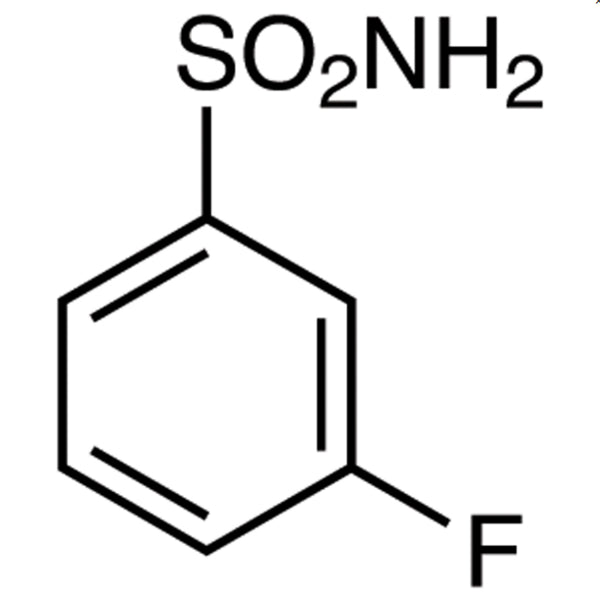
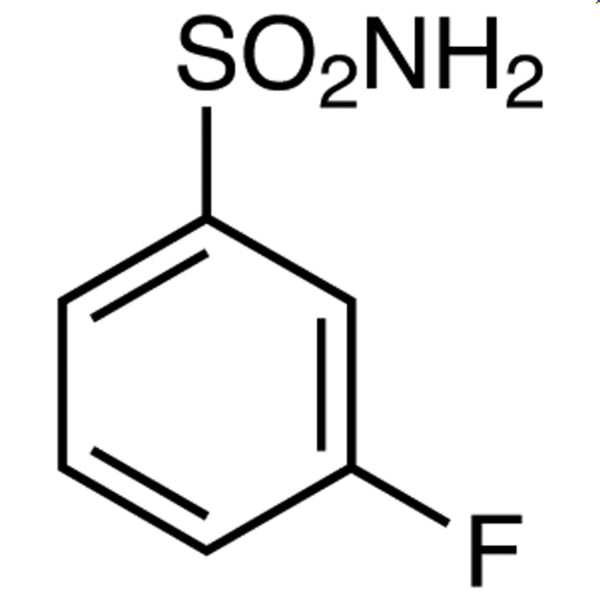
3-Fluorobenzenesulfonamide is a chemical compound widely used as a building block in the synthesis of complex organic compounds. It serves as a versatile intermediate in organic chemistry, enabling researchers to develop new molecules with specific functional groups. This compound is particularly valuable in the field of medicinal chemistry and industrial chemical synthesis due to its unique molecular structure. Its presence in the laboratory allows for the exploration of various chemical reactions, including substitution, reduction, and nucleophilic reactions, making it an essential component in synthetic pathways.
The compound's chemical stability and reactivity make it a preferred choice for chemists seeking to manipulate molecular structures with precision. The fluorine group in 3-Fluorobenzenesulfonamide imparts unique electronic properties, influencing its reactivity and the outcomes of chemical reactions. These characteristics make it ideal for applications where specific electronic behavior is required. Its ability to participate in multiple reaction types enhances its utility in both academic and industrial research settings.
In Indonesian laboratories, 3-Fluorobenzenesulfonamide is commonly used in research related to organic chemistry and pharmacology. It plays a crucial role in the development of new pharmaceutical compounds and fluorinated chemical materials. Its relevance extends to studies focused on drug discovery and the synthesis of specialized chemical intermediates. The compound is a key resource for researchers aiming to advance scientific understanding and innovation in the chemical sciences.
Related TCI products
- TCI F0953 402-46-0 4-Fluorobenzenesulfonamide
- TCI F0557 30058-40-3 2-Fluorobenzenesulfonamide
- TCI T3128 220227-21-4 2,4,5-Trifluorobenzenesulfonyl Chloride
- TCI B3835 351003-51-5 4-Bromo-3-fluorobenzenesulfonyl Chloride
- TCI B3698 216159-03-4 4-Bromo-2-fluorobenzenesulfonyl Chloride
- TCI B2291 405074-81-9 1-[Bis(trifluoromethanesulfonyl)methyl]-2,3,4,5,6-pentafluorobenzene
- Organic synthesis research benefits from 3-Fluorobenzenesulfonamide due to its ability to participate in diverse chemical reactions, enabling the creation of complex molecular structures.
- Medicinal chemistry projects often utilize this compound as a starting material for the development of new pharmaceutical compounds with specific functional groups.
- Fluorinated chemical synthesis requires the unique electronic properties of 3-Fluorobenzenesulfonamide, making it essential for creating compounds with enhanced stability and reactivity.
- Industrial chemical development relies on this compound for the production of specialized materials with tailored properties for various applications.
- Academic research in pharmacology frequently incorporates 3-Fluorobenzenesulfonamide to explore new drug candidates and understand molecular interactions in biological systems.
| Brand | TCI |
|---|---|
| CAS number | 1524-40-9 |
| Molecular formula | — |
| Purity | — |
| Category | Chemistry > Building Blocks > Fluorinated Building Blocks |
| Pack sizes | — |
| Physical form | — |
| Storage | Store in a cool, dry place away from moisture and direct sunlight |
3-Fluorobenzenesulfonamide should be stored in a cool, dry environment to maintain its chemical stability. It is recommended to keep the compound in a sealed container to prevent exposure to moisture and air. Proper ventilation is essential when handling the material to minimize inhalation risks. The compound should be stored away from incompatible substances such as strong oxidizers to ensure safety. Laboratory personnel should wear appropriate personal protective equipment, including gloves and safety goggles, when working with this material. Regular monitoring of storage conditions helps to ensure the integrity and usability of the compound over time.
—
Produk Terkait
-
4-Fluorobenzenesulfonamide TCI F0953
Regular price From Rp 1.035.300,00Regular price -
2-Fluorobenzenesulfonamide TCI F0557
Regular price From Rp 928.200,00Regular price -
2,4,5-TrifluorobenzenesulfonylChloride TCI T3128
Regular price From Rp 1.538.250,00Regular price -
4-Bromo-3-fluorobenzenesulfonylChloride TCI B3835
Regular price From Rp 2.016.000,00Regular price -
4-Bromo-2-fluorobenzenesulfonylChloride TCI B3698
Regular price From Rp 823.200,00Regular price -
1-[Bis(trifluoromethanesulfonyl)methyl]-2,3,4,5,6-pentafluorobenzene TCI B2291
Regular price From Rp 3.763.200,00Regular price -
PentafluorobenzenesulfonylChloride TCI P0934
Regular price From Rp 1.856.400,00Regular price -
2-FluorobenzenesulfonylChloride TCI F0795
Regular price From Rp 1.485.750,00Regular price


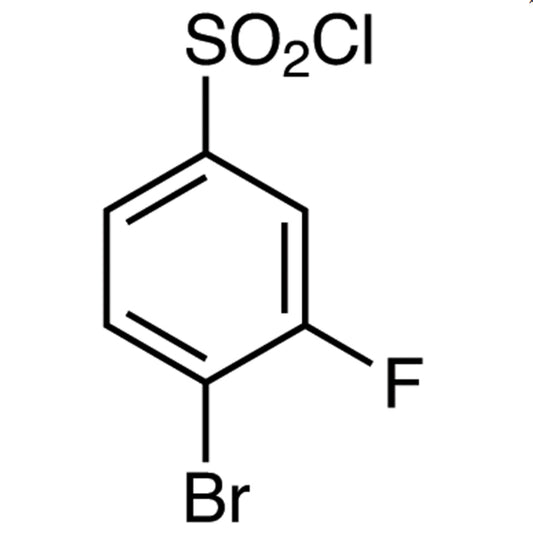

![405074-81-9 1-[Bis(trifluoromethanesulfonyl)methyl]-2,3,4,5,6-pentafluorobenzene - AMI Scientific](http://amiscientific.com/cdn/shop/files/TCI2510B2291_1d491266-8d39-418c-8071-bf7f7c3bd951.jpg?v=1767336434&width=533)

