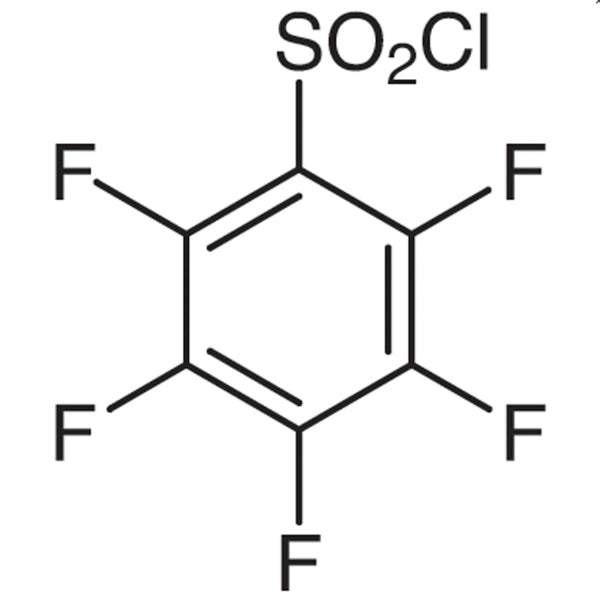
Pentafluorobenzenesulfonyl Chloride is a chemical compound widely used in organic synthesis as a building block for creating complex molecular structures. This fluorinated compound plays a crucial role in laboratories where high fluorination is required to achieve specific chemical properties, such as thermal stability and controlled reactivity. Its unique molecular structure, rich in fluorine atoms, makes it an essential reagent in functionalization and substitution reactions, enabling the development of advanced materials and pharmaceutical compounds.
The compound is highly reactive, particularly in nucleophilic and electrophilic reactions, making it a versatile tool in synthetic chemistry. It exhibits a high boiling point and good solubility in organic solvents like dichloromethane and ethyl acetate, which enhances its utility in various reaction conditions. These properties make it a preferred choice for reactions that demand both reactivity and stability. Its chemical behavior aligns well with the needs of modern synthetic processes, supporting the production of specialized compounds with tailored properties.
In Indonesian laboratories, Pentafluorobenzenesulfonyl Chloride is extensively used in organic chemistry research, especially in pharmaceutical, material science, and catalytic studies. Its role as a high-fluorination building block is vital for developing compounds with specific functional groups and enhanced chemical characteristics. This compound is a key component in the synthesis of advanced materials and drug molecules, contributing to the growth of scientific innovation in the region.
TCI brochures (PDF)
- Sulfonylation Reagents 2023-01-20 · p. 4
- Protecting Agents 2025-03-25 · p. 11
- Fluorination Reagents, Fluorinated Building Blocks 2026-03-18 · p. 36
Related TCI products
- TCI T3128 220227-21-4 2,4,5-Trifluorobenzenesulfonyl Chloride
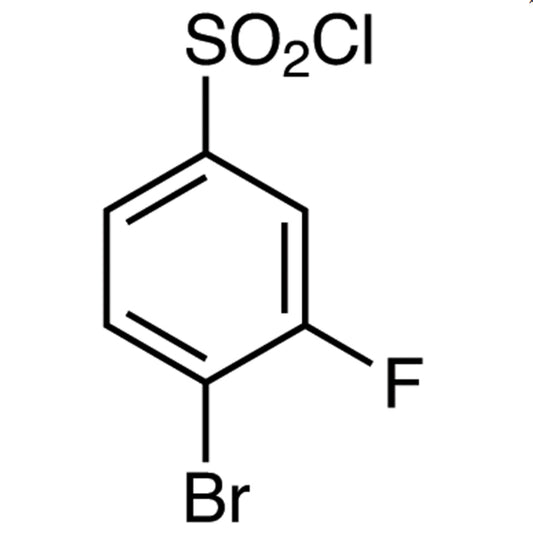
- TCI B3835 351003-51-5 4-Bromo-3-fluorobenzenesulfonyl Chloride
- TCI B3698 216159-03-4 4-Bromo-2-fluorobenzenesulfonyl Chloride
- TCI B2291 405074-81-9 1-[Bis(trifluoromethanesulfonyl)methyl]-2,3,4,5,6-pentafluorobenzene
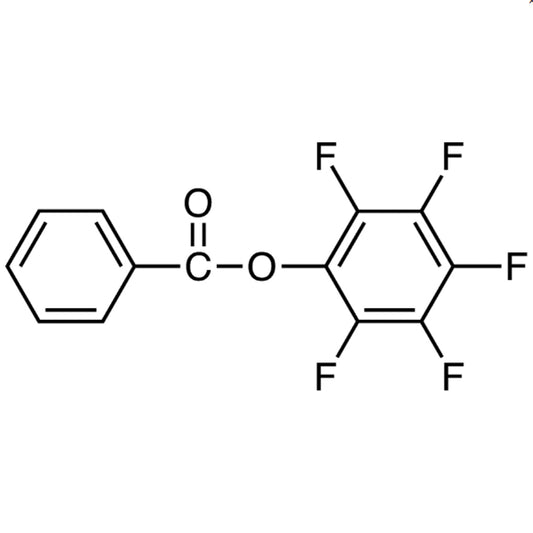
- TCI P2229 1548-84-1 Pentafluorophenyl Benzoate
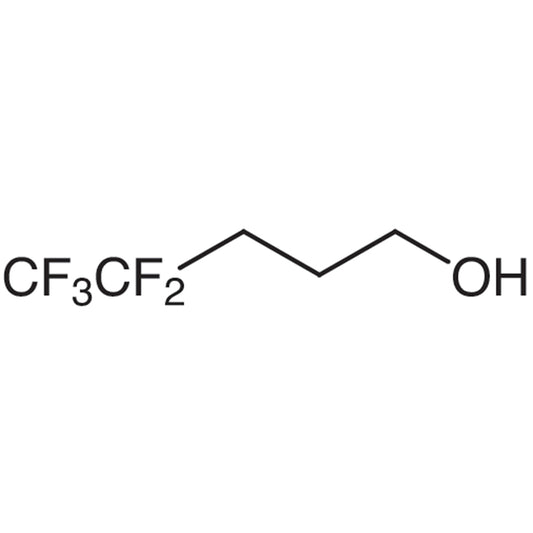
- TCI P1342 148043-73-6 4,4,5,5,5-Pentafluoro-1-pentanol
- Organic synthesis of complex molecules due to its reactivity and fluorinated structure, ideal for creating functionalized compounds.
- Pharmaceutical research for developing drug molecules with enhanced stability and controlled reactivity through fluorination.
- Material science applications in creating advanced polymers and coatings with specific thermal and chemical properties.
- Catalytic processes where high-fluorination compounds are needed to enhance reaction efficiency and selectivity.
- Analytical chemistry for use in specialized reagents that require high reactivity and solubility in organic solvents.
| Brand | TCI |
|---|---|
| CAS number | 832-53-1 |
| Molecular formula | — |
| Purity | — |
| Category | Chemistry > Building Blocks > Fluorinated Building Blocks |
| Pack sizes | Available in various quantities as per standard laboratory supply |
| Physical form | Solid (may vary depending on packaging) |
| Storage | Store in a cool, dry place away from moisture and direct sunlight |
Pentafluorobenzenesulfonyl Chloride should be stored in a cool, dry environment to maintain its chemical integrity. It is recommended to keep it in airtight containers to prevent exposure to moisture and air, which may affect its reactivity. Due to its high reactivity, it should be handled in a well-ventilated area, preferably under a fume hood, to minimize inhalation risks. Avoid contact with incompatible materials such as strong bases or reducing agents. Always use appropriate personal protective equipment, including gloves and safety goggles, when handling this compound. Proper storage and handling ensure the compound remains effective and safe for use in laboratory applications.
—
Produk Terkait
-
2,4,5-TrifluorobenzenesulfonylChloride TCI T3128
Regular price From Rp 1.538.250,00Regular price -
4-Bromo-3-fluorobenzenesulfonylChloride TCI B3835
Regular price From Rp 2.016.000,00Regular price -
4-Bromo-2-fluorobenzenesulfonylChloride TCI B3698
Regular price From Rp 823.200,00Regular price -
1-[Bis(trifluoromethanesulfonyl)methyl]-2,3,4,5,6-pentafluorobenzene TCI B2291
Regular price From Rp 3.763.200,00Regular price -
PentafluorophenylBenzoate TCI P2229
Regular price From Rp 1.326.150,00Regular price -
4,4,5,5,5-Pentafluoro-1-pentanol TCI P1342
Regular price From Rp 1.856.400,00Regular price -
PentafluorophenylaceticAcid TCI P1004
Regular price Rp 1.590.750,00Regular price -
Pentafluorobenzonitrile TCI P0935
Regular price From Rp 1.035.300,00Regular price



![405074-81-9 1-[Bis(trifluoromethanesulfonyl)methyl]-2,3,4,5,6-pentafluorobenzene - AMI Scientific](http://amiscientific.com/cdn/shop/files/TCI2510B2291_1d491266-8d39-418c-8071-bf7f7c3bd951.jpg?v=1767336434&width=533)