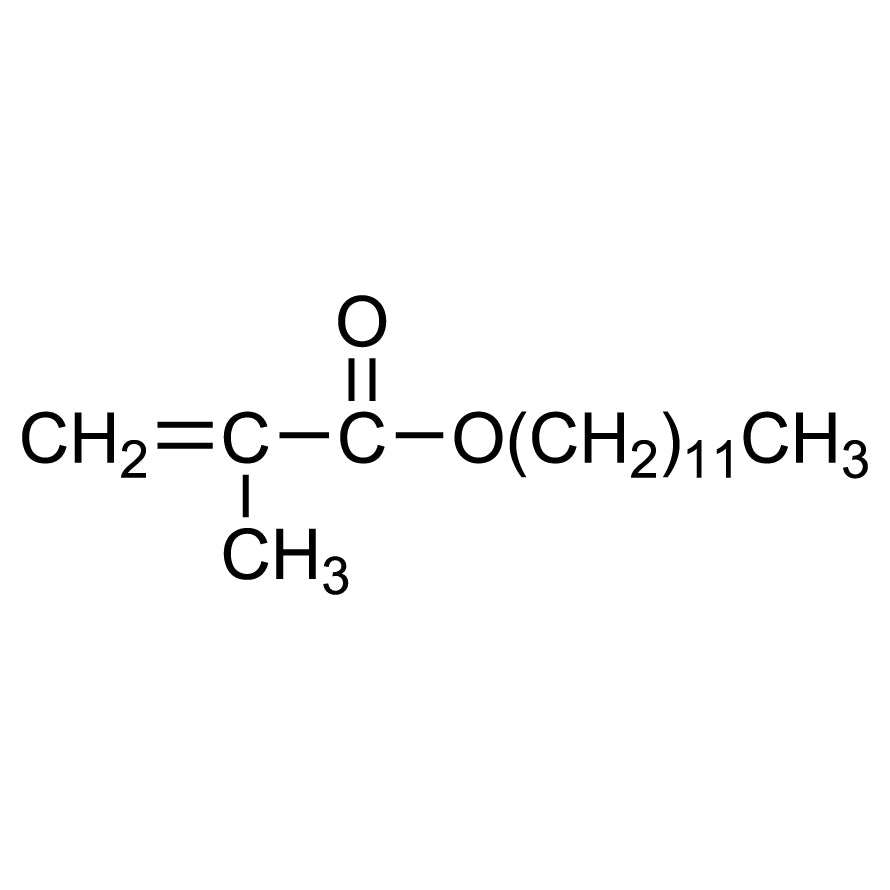
Dodecyl Methacrylate (DMA) is a versatile chemical compound widely used in scientific and industrial applications related to polymer synthesis. As a monomer, DMA plays a crucial role in the formation of polymers such as polyacrylates and other polymers with excellent mechanical and chemical properties. Its ability to react with various other monomers makes it a valuable component in polymerization reactions. This material is commonly utilized in material research, packaging, and chemical industries due to its reactivity and stability.
DMA is known for its stable chemical structure and reactive properties, making it ideal for a wide range of polymerization processes. The bio-based content of approximately 75% from plant sources makes it a more environmentally friendly alternative compared to traditional synthetic materials. Stabilization with MEHQ (methyl ethyl glycol hydroperoxide) ensures that the material remains effective during storage and use, preventing degradation. This characteristic is especially important in maintaining the integrity of the product over time.
In Indonesian laboratories, DMA is frequently used in material science, organic chemistry, and product development research. Its relevance extends to educational institutions, research centers, and companies aiming to develop sustainable solutions. The availability of DMA in various packaging formats allows for flexibility in laboratory use, supporting both small-scale experiments and larger research projects.
Related TCI products
- TCI M0083 142-90-5 Dodecyl Methacrylate (stabilized with MEHQ)
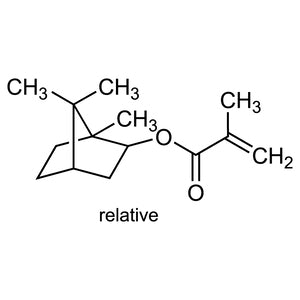
- TCI I1321 7534-94-3 Isobornyl Methacrylate (bio-based carbon from plant ca 71%) (stabilized with MEHQ)
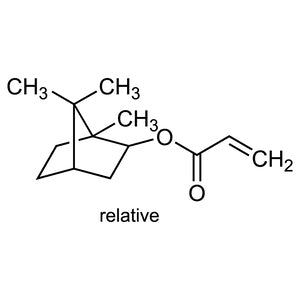
- TCI I1320 5888-33-5 Isobornyl Acrylate (bio-based carbon from plant ca 76%) (stabilized with MEHQ)
- TCI D6578 2156-97-0 Dodecyl Acrylate (bio-based carbon from plant ca. 80%) (stabilized with MEHQ)
- TCI D4129 2156-97-0 Dodecyl Acrylate (stabilized with MEHQ)
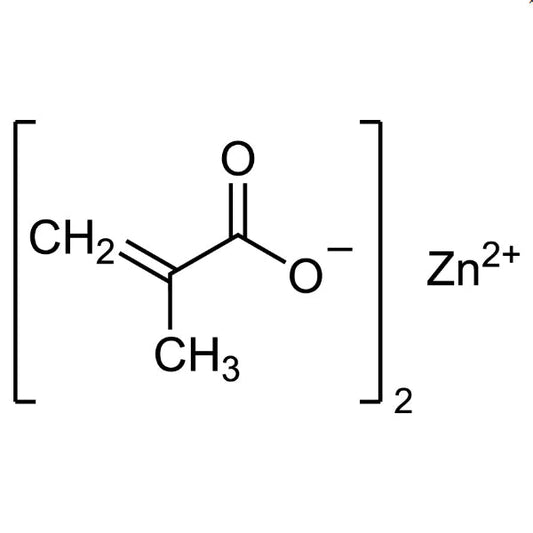
- TCI Z0070 13189-00-9 Zinc Methacrylate
- Polymer synthesis and modification in material science research due to its reactivity and compatibility with various monomers.
- Organic chemistry experiments where controlled polymerization reactions are required for synthesizing functional polymers.
- Development of sustainable and eco-friendly materials in green chemistry initiatives due to its bio-based content.
- Industrial applications in the packaging sector for creating durable and chemically stable polymer coatings.
- Research in advanced materials and nanotechnology for creating novel polymer-based composites and structures.
| Brand | TCI |
|---|---|
| CAS number | 142-90-5 |
| Molecular formula | — |
| Purity | — |
| Category | Materials Science > Polymer/Macromolecule Reagents > Monomers |
| Pack sizes | Available in various sizes as per standard laboratory requirements |
| Physical form | Liquid |
| Storage | Store in a cool, dry place away from direct sunlight and incompatible materials |
DMA should be stored in a cool, dry environment, away from direct sunlight and sources of heat. It is recommended to use sealed containers made of materials that are chemically inert to prevent contamination and degradation. Proper labeling of containers is essential for safety and traceability. Avoid exposure to strong oxidizing agents or incompatible substances to maintain the stability of the material. In laboratory settings, personal protective equipment such as gloves and safety goggles should be worn when handling DMA to ensure safe usage and minimize potential risks.
—
Product Categories
Produk Terkait
-
DodecylMethacrylate(stabilizedwithMEHQ) TCI M0083
Regular price From Rp 505.050,00Regular price -
IsobornylMethacrylate(bio-basedcarbonfromplantca71%)(stabilizedwithMEHQ) TCI I1321
Regular price From Rp 980.700,00Regular price -
IsobornylAcrylate(bio-basedcarbonfromplantca76%)(stabilizedwithMEHQ) TCI I1320
Regular price From Rp 689.850,00Regular price -
DodecylAcrylate(bio-basedcarbonfromplantca.80%)(stabilizedwithMEHQ) TCI D6578
Regular price From Rp 717.150,00Regular price -
DodecylAcrylate(stabilizedwithMEHQ) TCI D4129
Regular price From Rp 505.050,00Regular price -
ZincMethacrylate TCI Z0070
Regular price From Rp 743.400,00Regular price -
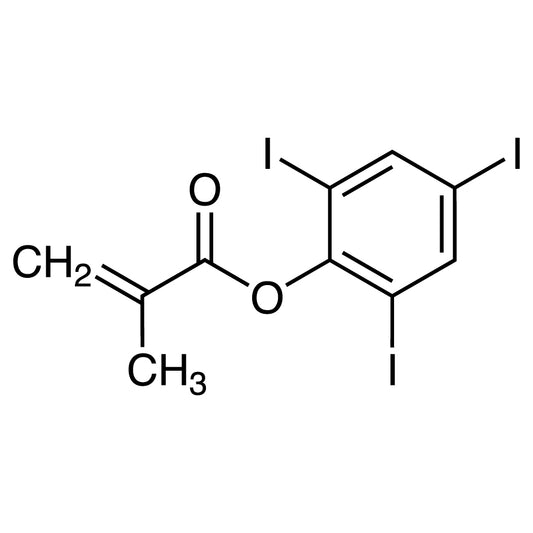
2,4,6-TriiodophenylMethacrylate TCI T4361
Regular price From Rp 3.392.550,00Regular price -
2,2,3,3-TetrafluoropropylMethacrylate(stabilizedwithMEHQ) TCI T3728
Regular price From Rp 557.550,00Regular price