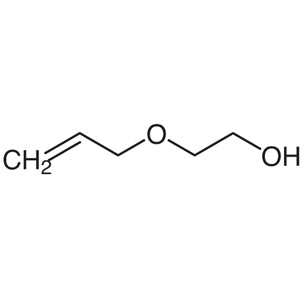
Ethylene Glycol Monoallyl Ether (EGMA), also known as TCI E0326 with CAS number 111-45-5, is a chemical compound widely used as a monomer in polymer synthesis. This material plays a crucial role in laboratory settings by enabling the formation of complex polymer structures through efficient polymerization reactions. Its unique molecular structure allows it to participate in various chemical processes, making it a versatile reagent for material scientists and chemists. EGMA is particularly valuable in the development of thermoplastic and elastomeric materials, where its reactivity and compatibility with different reaction conditions are highly beneficial.
EGMA is prized for its chemical stability and excellent reactivity under a range of reaction conditions. It is a colorless liquid that dissolves easily in organic solvents, which enhances its usability in diverse chemical applications. These properties make it an ideal choice for researchers aiming to synthesize polymers with specific mechanical and chemical characteristics. The ease of handling and its liquid form contribute to its popularity in both academic and industrial laboratory environments. Its adaptability to different polymerization techniques further solidifies its importance in modern material science.
In Indonesian laboratories, EGMA is extensively used in material and chemical research. Educational institutions and research organizations rely on this compound to develop new materials or improve existing ones. Its availability and reliability make it a staple in laboratories focused on polymer chemistry, where it supports a wide array of experimental and developmental projects. The compound’s consistent performance and predictable behavior ensure that it remains a key component in the pursuit of scientific innovation.
TCI brochures (PDF)
- Biomaterials Research Reagents 2025-02-19 · p. 15
- Monomers 2025-05-28 · p. 16
Related TCI products
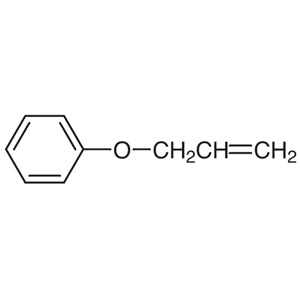
- TCI A0234 1746-13-0 Allyl Phenyl Ether
- TCI A0221 106-92-3 Allyl Glycidyl Ether
- TCI A1427 14593-43-2 Allyl Benzyl Ether
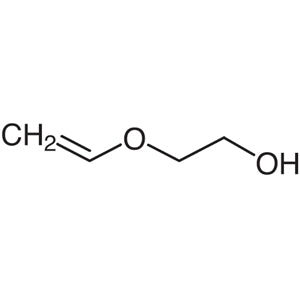
- TCI E0518 764-48-7 Ethylene Glycol Monovinyl Ether (stabilized with KOH)
- TCI E0489 21282-97-3 Ethylene Glycol Monoacetoacetate Monomethacrylate (stabilized with BHT)
- TCI E0105 107-21-1 Ethylene Glycol
- Polymer synthesis is a key application where EGMA serves as a monomer for creating thermoplastic and elastomeric materials due to its efficient polymerization properties.
- Material development in Indonesian research labs utilizes EGMA to design polymers with specific mechanical and chemical properties, supporting innovation in polymer science.
- Organic chemistry experiments benefit from EGMA’s solubility in organic solvents, making it suitable for reactions requiring high reactivity and compatibility.
- Industrial research applications leverage EGMA’s stability and reactivity to develop new materials for various commercial and technical uses.
- Chemical process optimization in laboratories uses EGMA to test and refine polymerization conditions, enhancing the efficiency of material synthesis.
| Brand | TCI |
|---|---|
| CAS number | 111-45-5 |
| Molecular formula | — |
| Purity | — |
| Category | Materials Science > Polymer/Macromolecule Reagents > Monomers |
| Pack sizes | Available in various sizes as per standard laboratory supply |
| Physical form | Colorless liquid |
| Storage | Store in a cool, dry place away from direct sunlight and incompatible materials |
EGMA should be stored in a cool, dry place, away from direct sunlight and incompatible substances. It is recommended to use suitable containers such as glass or high-density polyethylene to prevent chemical interactions. Due to its reactivity, it is important to handle EGMA with appropriate personal protective equipment, including gloves and safety goggles. In laboratory settings, EGMA should be kept in a well-ventilated area to minimize exposure. Proper labeling and storage conditions ensure the safety and effectiveness of this compound in research applications. Always follow standard laboratory safety protocols when working with EGMA to maintain a safe and efficient working environment.
—
Produk Terkait
-
AllylPhenylEther TCI A0234
Regular price From Rp 1.140.300,00Regular priceRp 796.950,00Sale price From Rp 1.140.300,00 -
AllylGlycidylEther TCI A0221
Regular price From Rp 477.750,00Regular priceRp 333.900,00Sale price From Rp 477.750,00 -
AllylBenzylEther TCI A1427
Regular price From Rp 2.332.050,00Regular priceRp 1.630.650,00Sale price From Rp 2.332.050,00 -
EthyleneGlycolMonovinylEther(stabilizedwithKOH) TCI E0518
Regular price From Rp 1.351.350,00Regular priceRp 960.750,00Sale price From Rp 1.351.350,00 -
EthyleneGlycolMonoacetoacetateMonomethacrylate(stabilizedwithBHT) TCI E0489
Regular price From Rp 1.008.000,00Regular priceRp 720.300,00Sale price From Rp 1.008.000,00 -
EthyleneGlycol TCI E0105
Regular price From Rp 530.250,00Regular priceRp 370.650,00Sale price From Rp 530.250,00 -
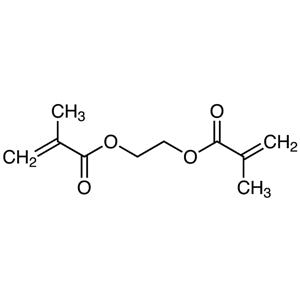
EthyleneGlycolDimethacrylate(stabilizedwithHQ) TCI E0102
Regular price From Rp 452.550,00Regular priceRp 316.050,00Sale price From Rp 452.550,00 -
TetramethyleneGlycolMonovinylEther(stabilizedwithKOH) TCI T1796
Regular price From Rp 848.400,00Regular priceRp 609.000,00Sale price From Rp 848.400,00