

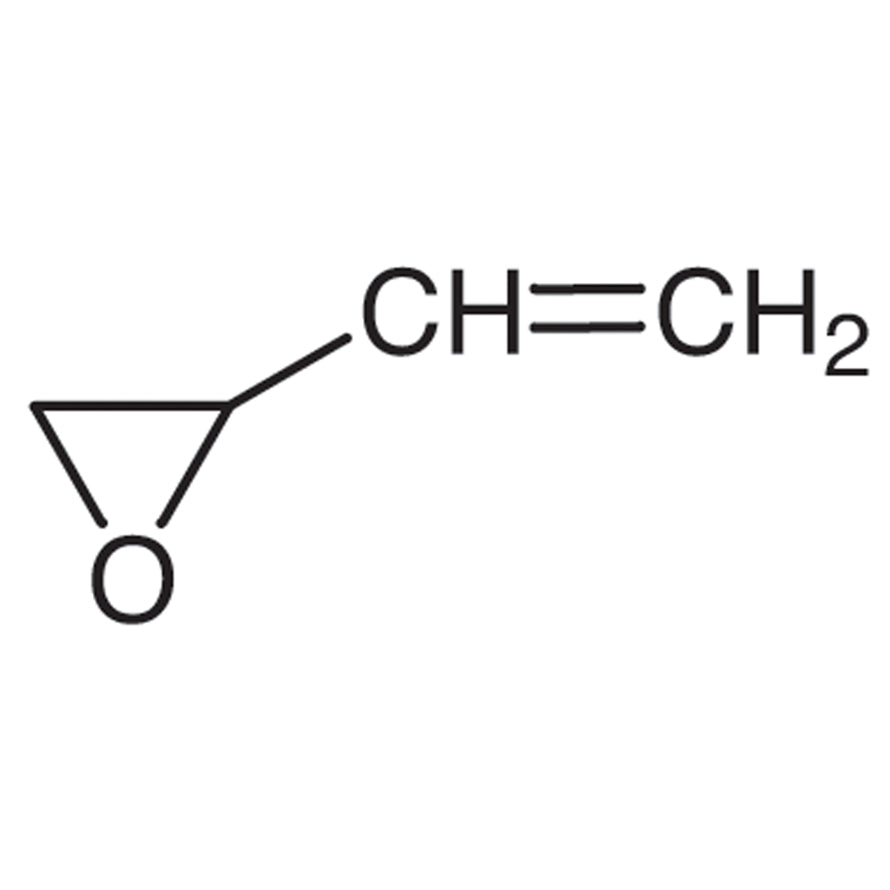
1,3-Butadiene Monoepoxide is a chemical compound widely used as a foundational building block in the synthesis of heterocyclic compounds. This versatile reagent plays a crucial role in laboratory settings where the creation of complex molecular structures is required. Its unique molecular structure enables participation in a variety of chemical reactions, making it an essential tool for researchers in various scientific disciplines. In Indonesian laboratories, this compound is frequently utilized to develop new materials, pharmaceuticals, and organic compounds, supporting both academic and industrial research initiatives.
The reactivity and structural flexibility of 1,3-Butadiene Monoepoxide make it a preferred choice for chemists. Its ability to undergo addition, substitution, and cyclization reactions allows for the synthesis of a wide range of functional molecules. The compound’s high reactivity ensures that it can interact effectively with various reagents and catalysts, enhancing the efficiency of chemical processes. This characteristic is particularly valuable in synthetic pathways that require precise control over molecular structure and reactivity.
In Indonesian laboratories, 1,3-Butadiene Monoepoxide is commonly used in research related to pharmacology, organic synthesis, and material science. Its role in constructing complex molecules makes it indispensable for studies involving drug development, polymer chemistry, and advanced chemical engineering. Due to its reactivity, it is often used in controlled environments where safety and precision are paramount.
Related TCI products
- TCI E0956 106-86-5 1,2-Epoxy-4-vinylcyclohexane (mixture of isomers)
- TCI D2077 23354-93-0 1,4-Di(2-thienyl)-1,3-butadiene (mixture of isomers)
- TCI D1148 513-81-5 2,3-Dimethyl-1,3-butadiene (stabilized with BHT)
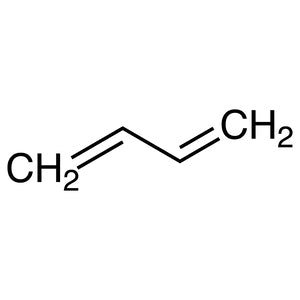
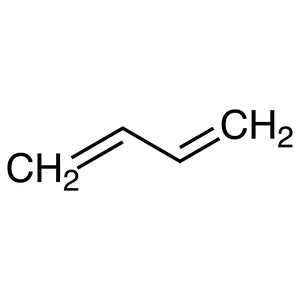
- TCI B6533 106-99-0 1,3-Butadiene (ca. 5% in N,N-Dimethylformamide, ca. 0.9 mol/L)
- TCI B6532 106-99-0 1,3-Butadiene (ca. 6% in Dichloromethane, ca. 1.5 mol/L)
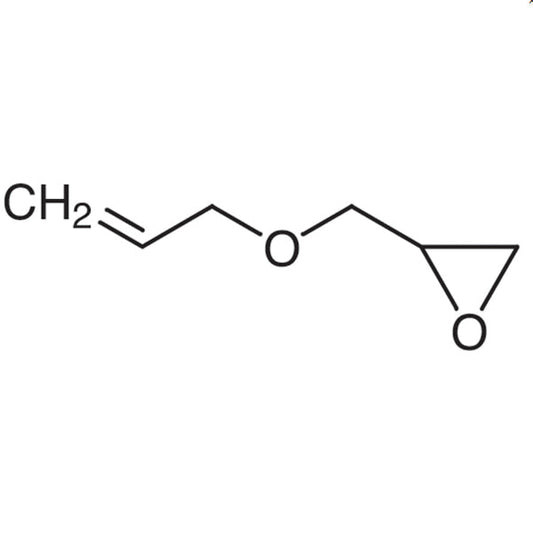
- TCI A0221 106-92-3 Allyl Glycidyl Ether
- Organic synthesis where complex molecular structures are required due to its reactivity and structural versatility.
- Pharmaceutical research for the development of new drugs as it enables the creation of diverse heterocyclic compounds.
- Material science applications for the synthesis of polymers and advanced chemical materials.
- Chemical engineering projects that involve the design of new synthetic pathways and reaction mechanisms.
- Academic research in chemistry departments focusing on heterocyclic compound development and reactivity studies.
| Brand | TCI |
|---|---|
| CAS number | 930-22-3 |
| Molecular formula | — |
| Purity | — |
| Category | Chemistry > Building Blocks > Heterocyclic Building Blocks |
| Pack sizes | — |
| Physical form | — |
| Storage | Store in a cool, dry place away from light and incompatible materials |
This compound should be stored in a cool, dry environment, away from direct sunlight and sources of heat. It is recommended to use airtight containers made of materials compatible with its chemical properties to prevent contamination and degradation. Due to its high reactivity, it should be handled in a well-ventilated area and with appropriate personal protective equipment. Avoid contact with incompatible substances such as strong oxidizers or acids. Always follow standard laboratory safety protocols to ensure safe handling and minimize potential risks.
—
Produk Terkait
-
1,2-Epoxy-4-vinylcyclohexane(mixtureofisomers) TCI E0956
Regular price From Rp 610.050,00Regular price -
1,4-Di(2-thienyl)-1,3-butadiene(mixtureofisomers) TCI D2077
Regular price From Rp 3.021.900,00Regular price -
2,3-Dimethyl-1,3-butadiene(stabilizedwithBHT) TCI D1148
Regular price From Rp 2.094.750,00Regular price -
1,3-Butadiene(ca.5%inN,N-Dimethylformamide,ca.0.9mol/L) TCI B6533
Regular price From Rp 1.405.950,00Regular price -
1,3-Butadiene(ca.6%inDichloromethane,ca.1.5mol/L) TCI B6532
Regular price From Rp 1.405.950,00Regular price -
AllylGlycidylEther TCI A0221
Regular price From Rp 477.750,00Regular price -
3-(Oxiran-2-yl)-7-oxabicyclo[410]heptane(mixtureofisomers) TCI V0195
Regular price From Rp 3.870.300,00Regular price -
2-Vinyloxytetrahydropyran TCI V0076
Regular price Rp 7.394.100,00Regular price



![106-87-6 3-(Oxiran-2-yl)-7-oxabicyclo[4.1.0]heptane (mixture of isomers) - AMI Scientific](http://amiscientific.com/cdn/shop/files/TCI2510V0195.jpg?v=1767145750&width=533)
