5-Fluoroisatin (TCI F0589) is a chemical compound widely used in laboratory settings for the synthesis of complex molecules. As a fluorinated building block, it serves as a foundational element in organic chemistry, enabling the creation of a variety of compounds with diverse applications. This compound is particularly valued for its ability to participate in multiple reaction types, making it a versatile tool for researchers. Its presence in Indonesian laboratories highlights its importance in both academic and industrial research environments.
The chemical properties of 5-Fluoroisatin make it a preferred choice for synthetic chemists. The introduction of a fluorine atom at a specific position enhances its reactivity and stability, allowing it to be a key player in substitution, condensation, and replacement reactions. This unique structural feature contributes to its effectiveness in generating bioactive compounds and pharmaceuticals. Its stability under various reaction conditions ensures reliable results, making it a trusted component in chemical synthesis.
In Indonesian laboratories, 5-Fluoroisatin is commonly utilized in scientific research, especially in the fields of organic chemistry and pharmaceutical development. Researchers often rely on this compound to explore new synthetic pathways and develop compounds with potential therapeutic applications. Its availability and performance in laboratory settings make it a sought-after material for both academic and applied research projects.
TCI brochures (PDF)
- Fluorination Reagents, Fluorinated Building Blocks 2026-03-18 · p. 50
Related TCI products
- TCI F0551 317-20-4 7-Fluoroisatin
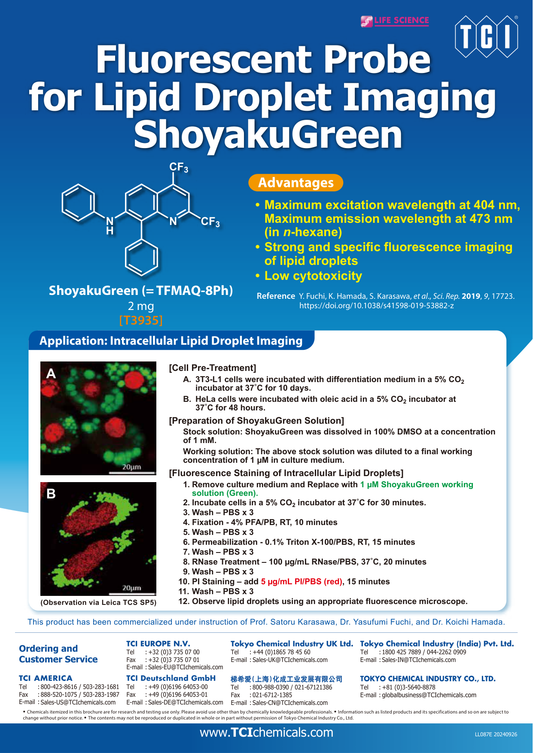
- TCI T3935 2472802-21-2 ShoyakuGreen (=TFMAQ-8Ph)
- TCI T3177 29540-81-6 1-(Trifluoromethanesulfonyl)imidazole
- TCI T3076 52222-73-8 4-(Trifluoromethyl)pyrazole
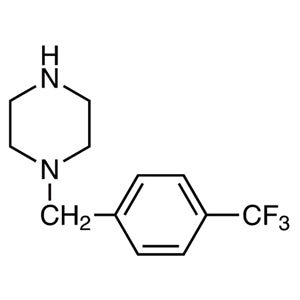
- TCI T3075 107890-32-4 1-(4-Trifluoromethylbenzyl)piperazine
- TCI T2998 762240-92-6 3-(Trifluoromethyl)-5,6,7,8-tetrahydro-[1,2,4]triazolo[4,3-a]pyrazine Hydrochloride
- Organic synthesis: 5-Fluoroisatin is widely used in organic synthesis due to its ability to participate in various reaction mechanisms, making it ideal for constructing complex molecular structures.
- Pharmaceutical research: This compound is frequently employed in the development of bioactive molecules, as its fluorinated structure can enhance the pharmacological properties of target compounds.
- Bioactive compound synthesis: Its unique chemical properties enable it to be a key building block in the synthesis of compounds with potential applications in drug discovery and development.
- Reaction intermediates: The compound's stability and reactivity make it suitable for use as an intermediate in multi-step synthetic processes.
- Academic research: It is commonly used in academic laboratories for teaching and research purposes, supporting the study of fluorinated compounds and their reactivity.
| Brand | TCI |
|---|---|
| CAS number | 443-69-6 |
| Molecular formula | — |
| Purity | — |
| Category | Chemistry > Building Blocks > Fluorinated Building Blocks |
| Pack sizes | — |
| Physical form | — |
| Storage | Store in a cool, dry place away from direct sunlight |
5-Fluoroisatin should be stored in a cool, dry environment to maintain its chemical stability. It is recommended to keep it in a sealed container to prevent exposure to moisture and air. While the physical form and pack sizes are not specified, it is generally advisable to store such compounds in airtight containers to minimize degradation. Laboratory personnel should handle the compound with care, using appropriate personal protective equipment when necessary. Proper storage conditions help ensure the compound remains effective for its intended applications in research and development. Always follow standard laboratory safety protocols when working with chemical substances.
—
Produk Terkait
-
7-Fluoroisatin TCI F0551
Regular price From Rp 1.431.150,00Regular price -
ShoyakuGreen(=TFMAQ-8Ph) TCI T3935
Regular price Rp 4.347.000,00Regular price -
1-(Trifluoromethanesulfonyl)imidazole TCI T3177
Regular price From Rp 3.075.450,00Regular price -
4-(Trifluoromethyl)pyrazole TCI T3076
Regular price From Rp 1.961.400,00Regular price -
1-(4-Trifluoromethylbenzyl)piperazine TCI T3075
Regular price Rp 1.829.100,00Regular price -
3-(Trifluoromethyl)-5,6,7,8-tetrahydro-[1,2,4]triazolo[4,3-a]pyrazineHydrochloride TCI T2998
Regular price From Rp 903.000,00Regular price -
1-[2-(Trifluoromethyl)phenyl]imidazole TCI T2982
Regular price From Rp 1.087.800,00Regular price -
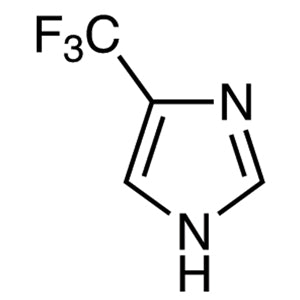
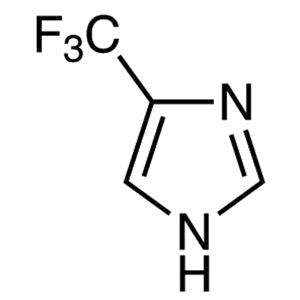
4(5)-(Trifluoromethyl)imidazole TCI T2928
Regular price Rp 3.790.500,00Regular price




![762240-92-6 3-(Trifluoromethyl)-5,6,7,8-tetrahydro-[1,2,4]triazolo[4,3-a]pyrazine Hydrochloride - AMI Scientific](http://amiscientific.com/cdn/shop/files/TCI2510T2998.jpg?v=1767143638&width=533)
![762240-92-6 3-(Trifluoromethyl)-5,6,7,8-tetrahydro-[1,2,4]triazolo[4,3-a]pyrazine Hydrochloride - AMI Scientific](http://amiscientific.com/cdn/shop/files/TCI2510T2998_91e2a02c-a005-468e-9a74-c025ab1e3892.jpg?v=1772425083&width=533)
![25371-96-4 1-[2-(Trifluoromethyl)phenyl]imidazole - AMI Scientific](http://amiscientific.com/cdn/shop/files/TCI2510T2982.jpg?v=1767143597&width=533)
![25371-96-4 1-[2-(Trifluoromethyl)phenyl]imidazole - AMI Scientific](http://amiscientific.com/cdn/shop/files/TCI2510T2982_5b32ad8f-93f1-4d42-9b45-f2193aa76553.jpg?v=1772425071&width=533)