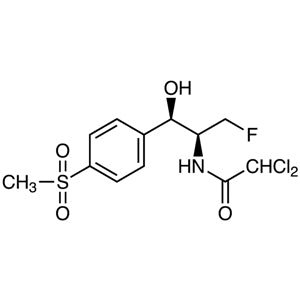
TCI F0811 Florfenicol is an amphenicol-class antibiotic compound supplied as a research material and laboratory reagent. Structurally, florfenicol is a modified derivative of chloramphenicol, in which a hydroxyl group has been replaced by a fluorine atom and a methylsulfonyl group has been added to the aromatic ring. These modifications yield a compound with a broad spectrum of antibacterial activity, one that has been studied extensively in the context of animal health and aquaculture. In the laboratory, florfenicol serves as a reference material for microbiological testing, as a comparison standard in instrumental analysis, and as a subject of investigation in research on antibiotic mechanisms of action and antimicrobial resistance.
The properties that make this compound a frequent choice are its well-defined mechanism of action and its structural stability. Florfenicol acts by inhibiting bacterial protein synthesis at the ribosomal level, which is why it is often used as a positive control in antimicrobial susceptibility testing as well as in translation-inhibition experiments. The replacement of the hydroxyl group with fluorine renders the compound resistant to inactivation by certain acetyltransferase enzymes, an important distinction that frequently becomes a topic of study in resistance-mechanism research. This combination of predictable behaviour and chemical robustness supports reproducible experimental results across repeated runs.
In Indonesian laboratories, this material is typically found in university research groups, veterinary and fisheries institutions, and analytical service laboratories that support animal health and aquaculture work. It is commonly used where a well-characterised amphenicol reference is needed for susceptibility panels, method development, or comparative analytical work. Researchers studying antimicrobial resistance patterns in local settings also rely on such reference compounds to keep their assay conditions consistent and comparable.
- Antimicrobial susceptibility testing — florfenicol serves as a positive control compound because its ribosome-level inhibition of bacterial protein synthesis produces a predictable, well-documented response across susceptibility panels.
- Reference standard for instrumental analysis — the compound functions as a comparison material in chromatographic and spectroscopic work, giving analysts a defined reference point during method development and verification.
- Translation-inhibition studies — because florfenicol blocks protein synthesis at the ribosome, it is well suited to experiments that probe bacterial translation machinery under controlled laboratory conditions.
- Antimicrobial resistance research — its fluorine substitution makes it resistant to inactivation by certain acetyltransferase enzymes, making it valuable for comparative studies of resistance mechanisms alongside chloramphenicol.
- Animal health and aquaculture research — the broad antibacterial spectrum of florfenicol has been studied extensively in these fields, supporting investigations that require a relevant amphenicol reference material.
| Brand | TCI |
|---|---|
| CAS number | 73231-34-2 |
| Molecular formula | — |
| Purity | — |
| Category | Life Science > Biochemicals and Reagents > Antibiotics |
| Pack sizes | available in standard TCI research-scale packaging; please confirm the size required when ordering |
| Physical form | — |
| Storage | keep in the original sealed container under the conditions stated on the manufacturer's label |
- Product code: F0811
Store this material in its original tightly closed container, protected from light, moisture, and elevated temperature, and follow the storage conditions printed on the manufacturer's label. Suitable containers include the supplied amber or opaque glass vessels; transfer only into clean, dry, chemically compatible containers when subdividing. Handle the compound in a well-ventilated area or a fume hood, wearing a laboratory coat, gloves, and eye protection, and avoid generating dust during weighing. As with all antibiotic research materials, keep it separate from incompatible substances, label all working solutions clearly, and dispose of residues and contaminated consumables according to your institution's chemical and biological waste procedures.
—
Produk Terkait
-
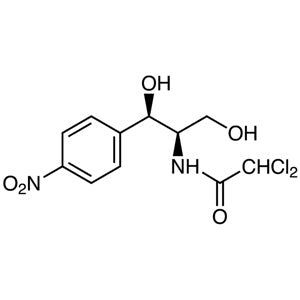
Chloramphenicol TCI C2255
Regular price From Rp 1.273.650,00Regular price -
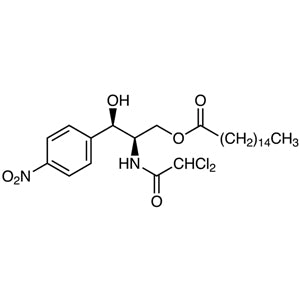
ChloramphenicolPalmitate TCI C3258
Regular price From Rp 1.140.300,00Regular price -
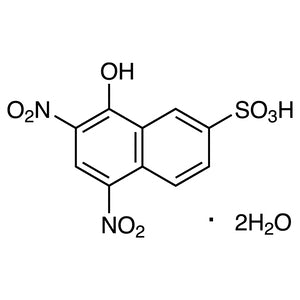
FlavianicAcidDihydrate TCI F0012
Regular price Rp 1.749.300,00Regular price -
Flavone TCI F0015
Regular price From Rp 637.350,00Regular price -
Fluoranthene TCI F0016
Regular price From Rp 848.400,00Regular price -
Fluorene TCI F0017
Regular price From Rp 530.250,00Regular price -
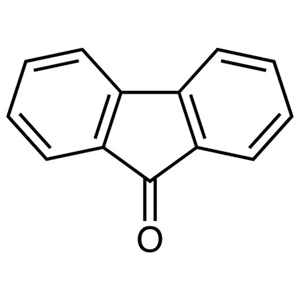
9-Fluorenone TCI F0021
Regular price From Rp 477.750,00Regular price