![4-[[(4-Fluorophenyl)imino]methyl]phenol (CAS 3382-63-6) - TCI F0946 - AMI Scientific](http://amiscientific.com/cdn/shop/files/TCI2510F0946.jpg?v=1769180835&width=1946)
![4-[[(4-Fluorophenyl)imino]methyl]phenol (CAS 3382-63-6) - TCI F0946 - AMI Scientific](http://amiscientific.com/cdn/shop/files/TCI2510F0946.jpg?v=1769180835&width=1445)
4-[[(4-Fluorophenyl)imino]methyl]phenol is a versatile chemical compound widely used in organic reactions for the synthesis of complex molecules. As a fluorinated building block, it plays a crucial role in the development of new compounds with potential applications in medicine and industry. This compound is commonly utilized in the production of aromatic compounds and their derivatives, particularly within the fields of organic chemistry and pharmaceutical research. Its unique molecular structure, featuring both fluorine and amine groups, contributes to its reactivity and specificity, making it a valuable tool in laboratory settings.
The compound’s reactivity and stability make it a preferred choice for various synthetic processes. Its ability to participate in substitution and condensation reactions allows chemists to create a wide range of functionalized molecules. The presence of fluorine atoms enhances its chemical stability, while the amine group provides opportunities for further modification. These properties make it particularly useful in the synthesis of bioactive compounds, where precise molecular structures are essential for desired biological effects.
In Indonesian laboratories, this compound is frequently used in organic chemistry research, drug development, and the analysis of complex substances. Many research institutions and universities incorporate it into their studies to advance knowledge in chemistry and pharmacology. Its role in creating new compounds with potential therapeutic applications underscores its importance in both academic and industrial research environments.
TCI brochures (PDF)
- Fluorination Reagents, Fluorinated Building Blocks 2026-03-18 · p. 16
Related TCI products
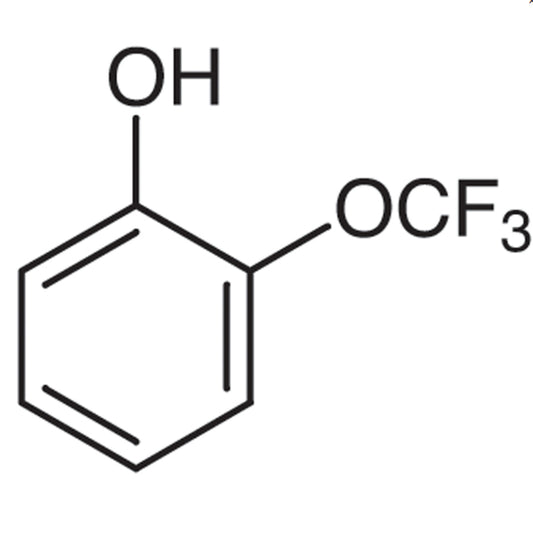
- TCI T2156 32858-93-8 2-(Trifluoromethoxy)phenol
- TCI T1983 2787-79-3 2,3,5,6-Tetrafluoro-4-(trifluoromethyl)phenol
- TCI T1615 827-99-6 3-(Trifluoromethoxy)phenol
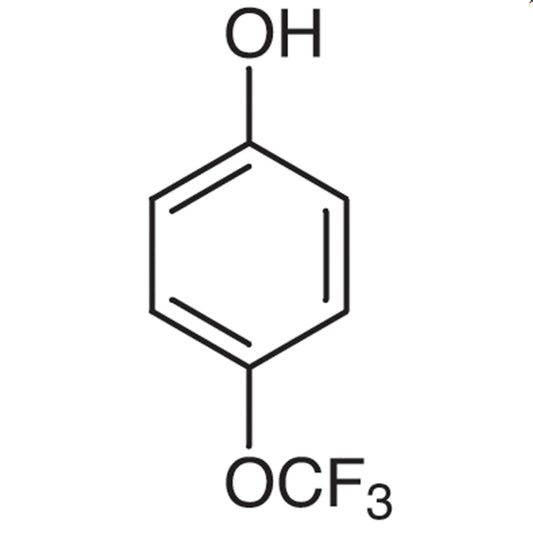
- TCI T1341 828-27-3 4-(Trifluoromethoxy)phenol
- TCI B4494 320-49-0 4-Bromo-3-(trifluoromethyl)phenol
- TCI B4493 50824-04-9 4-Bromo-2-(trifluoromethyl)phenol
- Synthesis of complex aromatic compounds for pharmaceutical research due to its reactivity and structural versatility.
- Condensation reactions in the creation of heterocyclic compounds, leveraging its amine and fluorine functionalities.
- Development of bioactive molecules for drug discovery, as its structure supports functional group modification.
- Organic chemistry research in Indonesian universities, where it is used to explore new synthetic pathways.
- Analysis of complex chemical structures in analytical laboratories, benefiting from its stability and reactivity.
| Brand | TCI |
|---|---|
| CAS number | 3382-63-6 |
| Molecular formula | — |
| Purity | — |
| Category | Chemistry > Building Blocks > Fluorinated Building Blocks |
| Pack sizes | Available in standard laboratory quantities |
| Physical form | Solid |
| Storage | Store in a cool, dry place away from light |
This compound should be stored in a cool, dry place, away from direct light to maintain its chemical stability. It is recommended to use airtight containers to prevent moisture absorption, which could affect its reactivity. Due to its potential reactivity, it should be handled in a well-ventilated area, and appropriate personal protective equipment should be worn. Avoid contact with incompatible substances, and ensure proper disposal according to local regulations. Regular monitoring of storage conditions is advised to ensure the integrity of the material during extended storage periods.
—
Produk Terkait
-
2-(Trifluoromethoxy)phenol TCI T2156
Regular price From Rp 1.431.150,00Regular price -
2,3,5,6-Tetrafluoro-4-(trifluoromethyl)phenol TCI T1983
Regular price Rp 2.306.850,00Regular price -
3-(Trifluoromethoxy)phenol TCI T1615
Regular price From Rp 1.670.550,00Regular price -
4-(Trifluoromethoxy)phenol TCI T1341
Regular price From Rp 1.829.100,00Regular price -
4-Bromo-3-(trifluoromethyl)phenol TCI B4494
Regular price From Rp 848.400,00Regular price -
4-Bromo-2-(trifluoromethyl)phenol TCI B4493
Regular price From Rp 1.908.900,00Regular price -
2-Bromo-4-(trifluoromethyl)phenol TCI B4492
Regular price From Rp 955.500,00Regular price -
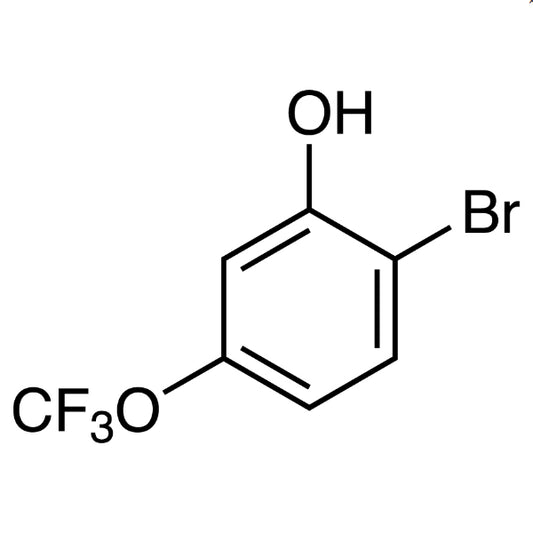
2-Bromo-5-(trifluoromethoxy)phenol TCI B3108
Regular price From Rp 2.889.600,00Regular price