![Nalpha-[(9H-Fluoren-9-ylmethyloxy)carbonyl]-Nepsilon-1-(4,4-dimethyl-2,6-dioxocyclohex-1-ylidene)ethyl-L-lysine (CAS 150629-67-7) - TCI F1270 - AMI Scientific](http://amiscientific.com/cdn/shop/files/TCI2510F1270.jpg?v=1768205463&width=1946)
![Nalpha-[(9H-Fluoren-9-ylmethyloxy)carbonyl]-Nepsilon-1-(4,4-dimethyl-2,6-dioxocyclohex-1-ylidene)ethyl-L-lysine (CAS 150629-67-7) - TCI F1270 - AMI Scientific](http://amiscientific.com/cdn/shop/files/TCI2510F1270.jpg?v=1768205463&width=1445)
This compound, TCI F1270, is a complex peptide with a unique molecular structure that plays a crucial role in biochemical and pharmacological research. It is designed for use in advanced chemical biology applications, particularly in peptide chemistry. Its functional groups enable specific chemical reactions, making it a valuable tool for synthesizing bioactive compounds. This compound is widely used in the development of pharmaceuticals and the study of protein behavior, offering researchers a reliable building block for various experimental setups.
TCI F1270 is preferred due to its chemical stability under controlled conditions and its ability to react with a variety of molecules. Its complex molecular structure enhances reactivity and binding potential, making it ideal for high-precision experiments. The compound's sensitivity to moisture and air requires careful handling, but its performance in controlled environments ensures consistent results. Its versatility in applications such as enzyme activity testing and protein characterization makes it a sought-after material in modern laboratories.
In Indonesian laboratories, TCI F1270 is commonly used in applied research, including drug development, protein characterization, and enzyme activity testing. It is a key component in studies aimed at understanding biological mechanisms and chemical interactions. Many research institutions and universities rely on this compound to advance their scientific investigations and contribute to the broader field of biotechnology and pharmaceutical sciences.
- Drug development research utilizes this compound for synthesizing bioactive molecules due to its reactivity and structural complexity.
- Protein characterization studies benefit from its ability to interact with various molecular structures, aiding in structural analysis.
- Enzyme activity testing leverages its chemical stability and functional groups to assess catalytic efficiency in biochemical reactions.
- Peptide modification experiments rely on its molecular structure to enable precise chemical modifications and functional enhancements.
- Biomedical research applications use it to explore molecular interactions and biological mechanisms in cellular processes.
| Brand | TCI |
|---|---|
| CAS number | 150629-67-7 |
| Molecular formula | — |
| Purity | — |
| Category | Chemistry > Chemical Biology > Peptide Chemistry |
| Pack sizes | — |
| Physical form | — |
| Storage | Requires protection from moisture and air exposure |
This compound should be stored in a cool, dry environment away from direct light and sources of moisture. It is recommended to use airtight containers to prevent exposure to air, which can degrade its chemical integrity. Due to its sensitivity, it should be handled in a controlled laboratory setting with appropriate safety measures. Storage conditions must be strictly maintained to ensure its stability and effectiveness in research applications. Regular monitoring of storage conditions is essential to maintain the compound’s quality and usability for experimental purposes.
—
Produk Terkait
-
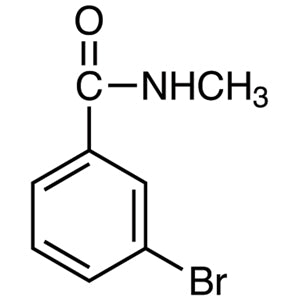
3-Bromo-N-methylbenzamide TCI B5644
Regular price From Rp 1.431.150,00Regular price -
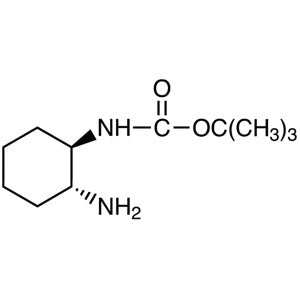
(1R,2R)-N1-(tert-Butoxycarbonyl)-1,2-cyclohexanediamine TCI B5647
Regular price Rp 3.367.350,00Regular price -
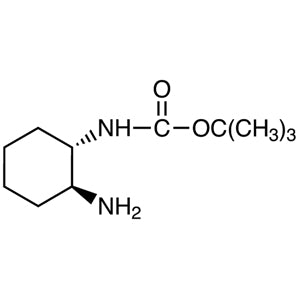
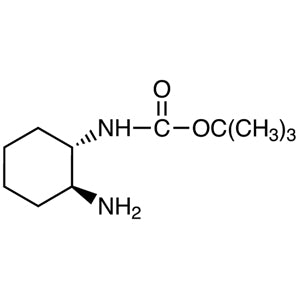
(1S,2S)-N1-(tert-Butoxycarbonyl)-1,2-cyclohexanediamine TCI B5648
Regular price From Rp 2.809.800,00Regular price -
N-Benzyl-2,2,2-trifluoroacetamide TCI B5705
Regular price From Rp 1.326.150,00Regular price -
SB-366791 TCI B5762
Regular price From Rp 5.485.200,00Regular price -
N-Carbobenzoxypropargylamine TCI B5958
Regular price Rp 4.849.950,00Regular price -
tert-Butyl(3-Oxo-3-phenylpropyl)carbamate TCI B5981
Regular price Rp 4.584.300,00Regular price -
SB297006 TCI B6053
Regular price From Rp 3.710.700,00Regular price