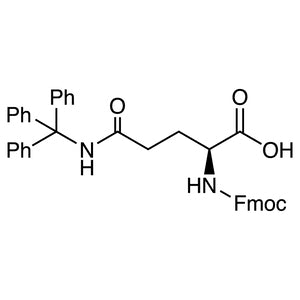
TCI F1284 132327-80-1 Fmoc-Gln(Trt)-OH is a chemical compound widely used in peptide synthesis, specifically in solid-phase peptide synthesis (SPPS). This compound serves as a key building block in the creation of complex peptide structures, essential for various scientific and pharmaceutical applications. Its role in the laboratory is critical for researchers aiming to develop new therapeutic agents and biochemical tools. The compound is particularly valued for its ability to participate in chemical reactions with high efficiency and reliability, making it a fundamental component in modern peptide chemistry workflows.
The chemical properties of Fmoc-Gln(Trt)-OH, including its stability and reactivity, make it a preferred choice for synthetic processes. The Fmoc (9-fluorenylmethyloxycarbonyl) group is commonly used in peptide synthesis due to its controlled and predictable cleavage under specific conditions. The Trt (tert-butyl) protecting group ensures that the amino acid remains chemically inert until the desired reaction conditions are met. These characteristics contribute to the compound’s effectiveness in maintaining the integrity of the peptide chain during synthesis.
In Indonesian laboratories, TCI F1284 132327-80-1 Fmoc-Gln(Trt)-OH is extensively used in scientific research and pharmaceutical development. It is a common reagent in academic and industrial settings where the synthesis of peptides for drug discovery, biotechnology, and biochemical studies is required. Its availability supports the advancement of local research and innovation in the field of chemistry.
- Solid-Phase Peptide Synthesis (SPPS) utilizes Fmoc-Gln(Trt)-OH to build complex peptide sequences on solid supports, enabling efficient and scalable synthesis of peptides for pharmaceutical and biotechnological applications.
- Pharmaceutical Research employs this compound in the development of new drugs, as it is essential for creating peptides with specific biological activities and therapeutic potential.
- Biochemical Studies benefit from its use in synthesizing peptides for enzyme inhibition, receptor binding, and other molecular interactions that are critical in understanding biological processes.
- Academic Research in Chemistry and Biochemistry relies on this compound for teaching and experimental purposes, supporting the training of future scientists and researchers.
- Drug Discovery Programs incorporate Fmoc-Gln(Trt)-OH to design and test novel peptide-based therapeutics, contributing to the advancement of medical treatments and therapies.
| Brand | TCI |
|---|---|
| CAS number | 132327-80-1 |
| Molecular formula | — |
| Purity | — |
| Category | Chemistry > Chemical Biology > Peptide Chemistry |
| Pack sizes | Available in various quantities as per standard laboratory supply |
| Physical form | Solid powder |
| Storage | Store in a cool, dry place away from light and moisture |
This compound should be stored in a cool, dry environment, away from direct sunlight and moisture to maintain its chemical integrity. It is recommended to use airtight containers to prevent exposure to humidity and contaminants. Due to its chemical nature, it should be handled in a well-ventilated area, and appropriate personal protective equipment, such as gloves and safety goggles, should be worn during handling. The compound is not classified as hazardous under standard laboratory conditions, but general laboratory safety protocols should be followed to ensure safe usage. Proper labeling and storage practices are essential to prevent cross-contamination and ensure the longevity of the material.
—
Produk Terkait
-
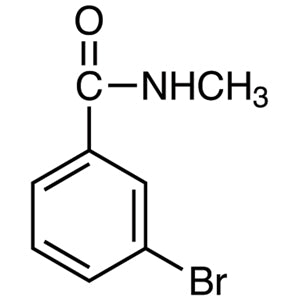
3-Bromo-N-methylbenzamide TCI B5644
Regular price From Rp 1.431.150,00Regular price -
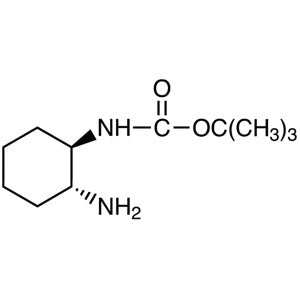
(1R,2R)-N1-(tert-Butoxycarbonyl)-1,2-cyclohexanediamine TCI B5647
Regular price Rp 3.367.350,00Regular price -
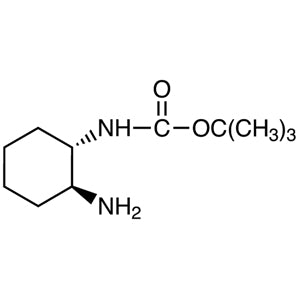
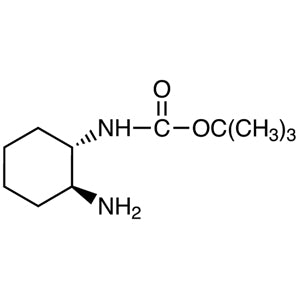
(1S,2S)-N1-(tert-Butoxycarbonyl)-1,2-cyclohexanediamine TCI B5648
Regular price From Rp 2.809.800,00Regular price -
N-Benzyl-2,2,2-trifluoroacetamide TCI B5705
Regular price From Rp 1.326.150,00Regular price -
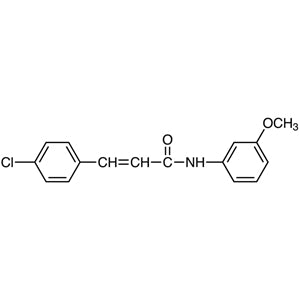
SB-366791 TCI B5762
Regular price From Rp 5.485.200,00Regular price -
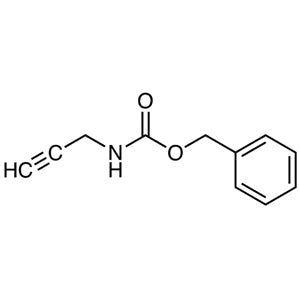
N-Carbobenzoxypropargylamine TCI B5958
Regular price Rp 4.849.950,00Regular price -
tert-Butyl(3-Oxo-3-phenylpropyl)carbamate TCI B5981
Regular price Rp 4.584.300,00Regular price -
SB297006 TCI B6053
Regular price From Rp 3.710.700,00Regular price