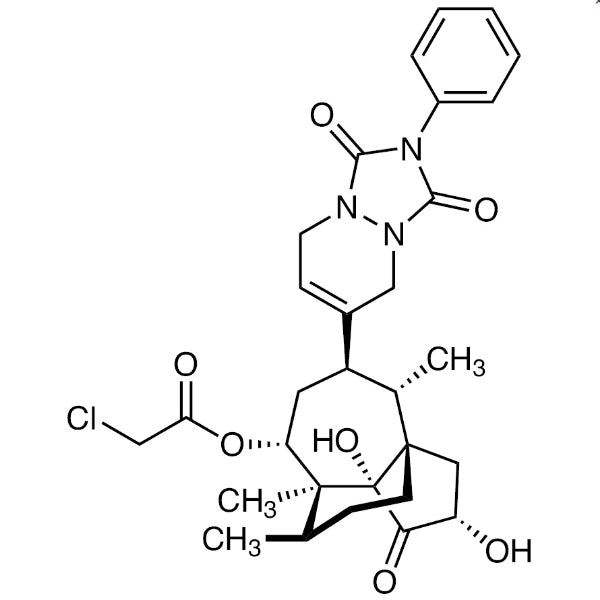
Ferroptocide is a chemical compound used in pharmacology and biochemical research to study the mechanisms of cellular damage associated with ferroptosis. It plays a crucial role in experiments that explore the role of iron ions in cell death processes, particularly in the context of neurodegenerative diseases and cancer. This reagent is often utilized as an inhibitor or inducer of ferroptosis, aiding researchers in understanding how this process can be controlled or manipulated for the development of medical therapies. Its chemical stability under specific conditions allows for safe use in laboratory settings, making it a reliable tool for experimental work.
Ferroptocide is preferred due to its controlled reactivity and chemical stability, which minimize the risk of unexpected reactions during experiments. These properties ensure consistent results and enhance the safety of laboratory operations. Its ability to reliably induce or suppress ferroptosis makes it an essential component in studies focused on oxidative stress and cellular metabolism. The compound’s predictable behavior in controlled environments supports the accuracy and reproducibility of experimental outcomes, which are vital in scientific research.
In Indonesian laboratories, Ferroptocide is widely used in applied research, including studies on chronic diseases and the development of new drugs. Its relevance in understanding biological mechanisms has made it a key reagent for local researchers aiming to expand their knowledge in cellular processes and therapeutic interventions. Its versatility and reliability make it a preferred choice for both academic and industrial research settings.
TCI brochures (PDF)
- Antimicrobials and Antitumor Agents for Research and Experimental Use 2025-04-24 · p. 16
- Pharmaceutical Ingredients for Research and Experimental Use 2026-03-09 · p. 16
- Ferroptosis Research – Ferroptocide is ideal for studying iron-dependent cell death mechanisms, offering precise control over experimental outcomes.
- Neurodegenerative Disease Studies – It helps investigate the role of ferroptosis in conditions like Parkinson’s and Alzheimer’s, supporting targeted therapeutic development.
- Cancer Research – Ferroptocide aids in exploring how iron metabolism influences tumor progression and response to treatment.
- Oxidative Stress Analysis – Its controlled reactivity allows for accurate assessment of oxidative damage in cellular systems.
- Drug Development – It is used to evaluate the efficacy of compounds in modulating ferroptosis pathways for potential therapeutic applications.
| Brand | TCI |
|---|---|
| CAS number | — |
| Molecular formula | — |
| Purity | — |
| Category | Pharmaceutical Research Reagents |
| Pack sizes | Available in standard laboratory quantities |
| Physical form | Solid or liquid, depending on formulation |
| Storage | Store in a cool, dry place away from light and incompatible substances |
Ferroptocide should be stored in a cool, dry environment, away from direct sunlight and sources of heat. It is recommended to use airtight containers to prevent moisture absorption and contamination. Due to its controlled reactivity, it should be handled with standard laboratory safety precautions, including the use of personal protective equipment. Proper labeling and storage conditions ensure the stability and safety of the reagent during handling and experimentation. Always follow standard laboratory protocols to maintain the integrity of the compound and ensure safe usage in research settings.
—
Product Categories
Produk Terkait
-
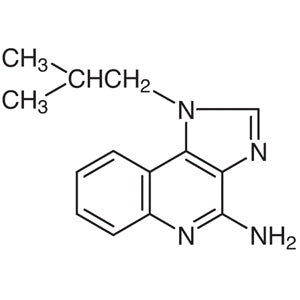
Imiquimod TCI I0747
Regular price Rp 2.147.250,00Regular priceRp 1.517.250,00Sale price Rp 2.147.250,00 -
Aminopterin TCI A0410
Regular price From Rp 1.881.600,00Regular priceRp 1.331.400,00Sale price From Rp 1.881.600,00 -
Imatinib TCI I0906
Regular price From Rp 1.378.650,00Regular priceRp 979.650,00Sale price From Rp 1.378.650,00 -
Zebularine TCI Z0022
Regular price From Rp 3.021.900,00Regular priceRp 2.128.350,00Sale price From Rp 3.021.900,00 -
Wortmannin TCI W0007
Regular price Rp 11.632.950,00Regular priceRp 8.150.100,00Sale price Rp 11.632.950,00 -
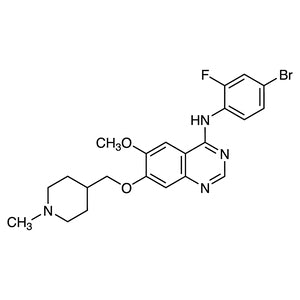
Vandetanib TCI V0199
Regular price From Rp 2.173.500,00Regular priceRp 1.535.100,00Sale price From Rp 2.173.500,00 -
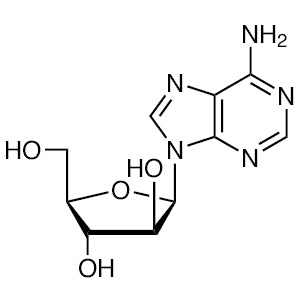
Vidarabine TCI V0175
Regular price Rp 1.856.400,00Regular priceRp 1.313.550,00Sale price Rp 1.856.400,00 -
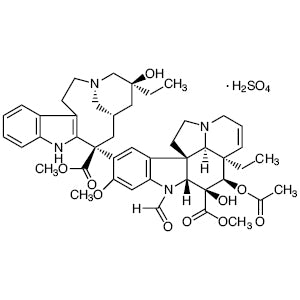
VincristineSulfate TCI V0129
Regular price Rp 4.636.800,00Regular priceRp 3.258.150,00Sale price Rp 4.636.800,00