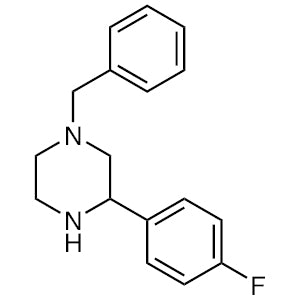
1-Benzyl-3-(4-fluorophenyl)piperazine is a chemical compound widely used as a building block in the synthesis of complex molecules. It is a key reagent in organic chemistry laboratories, where it serves as a versatile intermediate for the development of bioactive compounds. This compound is particularly valuable in the creation of pharmaceuticals and other specialized chemical products due to its structural adaptability and functional group versatility. Its presence in the laboratory enables researchers to explore new synthetic pathways and design compounds with desired biological properties.
The compound’s unique chemical properties make it a preferred choice for synthetic chemists. The presence of a fluorinated phenyl group and a benzyl group contributes to its reactivity and stability under various reaction conditions. These characteristics allow it to participate in a wide range of chemical transformations, making it suitable for multiple synthetic strategies. Additionally, its chemical stability under standard laboratory conditions ensures ease of handling and storage, reducing the risk of degradation during experimentation.
In Indonesian laboratories, 1-Benzyl-3-(4-fluorophenyl)piperazine is commonly used in research related to chemistry, pharmacy, and biochemistry. It is a staple in academic and industrial research settings, where it supports the development of new compounds and the advancement of scientific knowledge. Its availability in the local market ensures that researchers have reliable access to this essential reagent for their experiments.
Advantages (TCI brochure)
- Carbon-substituted (3-position) piperazine building block for expanding structural diversity
TCI brochures (PDF)
Related TCI products
- TCI B2764 27469-60-9 1-[Bis(4-fluorophenyl)methyl]piperazine
- TCI P2875 2456414-49-4 1-Benzyl-3-[2-(trifluoromethyl)phenyl]piperazine
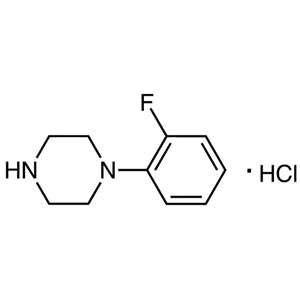
- TCI F0728 1011-15-0 1-(2-Fluorophenyl)piperazine
- TCI F0291 1011-16-1 1-(2-Fluorophenyl)piperazine Hydrochloride
- TCI B3213 347-84-2 Benzyl 4-Fluorophenyl Ketone
- TCI B5335 1030825-20-7 2-(5-Bromo-2-methylbenzyl)-5-(4-fluorophenyl)thiophene
- Organic synthesis of bioactive compounds due to its versatile functional groups and reactivity.
- Development of pharmaceuticals where fluorinated structures are required for enhanced biological activity.
- Research in medicinal chemistry for the design of novel drug molecules with targeted pharmacological effects.
- Academic studies in chemical structure modification and molecular reactivity analysis.
- Biochemical experiments requiring stable and reactive intermediates for complex molecule synthesis.
From the TCI brochure
- Building block for drug discovery research
| Brand | TCI |
|---|---|
| CAS number | 1248908-23-7 |
| Molecular formula | — |
| Purity | — |
| Category | Chemistry > Building Blocks > Fluorinated Building Blocks |
| Pack sizes | As available from supplier |
| Physical form | Solid (as per standard product description) |
| Storage | Store in a cool, dry place away from light and moisture |
This compound should be stored in a cool, dry environment, away from direct light and moisture to maintain its chemical stability. It is recommended to use airtight containers to prevent exposure to air and humidity, which could potentially affect its integrity. In laboratory settings, it should be handled with appropriate personal protective equipment, such as gloves and safety goggles, to ensure safe handling. Due to its chemical nature, it is important to avoid contact with incompatible substances and to follow standard laboratory safety protocols. Proper labeling and storage conditions are essential to ensure the compound remains usable for research purposes.
References cited in the TCI brochure
- Robin Gueret. Visible-Light-Driven CarboxyLic Amine Protocol (CLAP) for the Synthesis of 2-Substituted Piperazines under Batch and Flow Conditions Organic Letters, 2020. doi:10.1021/acs.orglett.0c01759
Produk Terkait
-
1-[Bis(4-fluorophenyl)methyl]piperazine TCI B2764
Regular price From Rp 769.650,00Regular price -
1-Benzyl-3-[2-(trifluoromethyl)phenyl]piperazine TCI P2875
Regular price From Rp 3.367.350,00Regular price -
1-(2-Fluorophenyl)piperazine TCI F0728
Regular price Rp 6.042.750,00Regular price -
1-(2-Fluorophenyl)piperazineHydrochloride TCI F0291
Regular price From Rp 2.625.000,00Regular price -
Benzyl4-FluorophenylKetone TCI B3213
Regular price Rp 2.359.350,00Regular price -
2-(5-Bromo-2-methylbenzyl)-5-(4-fluorophenyl)thiophene TCI B5335
Regular price From Rp 1.035.300,00Regular price -
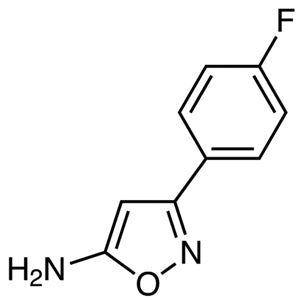
5-Amino-3-(4-fluorophenyl)isoxazole TCI A2929
Regular price From Rp 1.510.950,00Regular price -
5-(4-Fluorophenyl)isoxazole-3-carboxylicAcid TCI F1428
Regular price From Rp 2.386.650,00Regular price
![27469-60-9 1-[Bis(4-fluorophenyl)methyl]piperazine - AMI Scientific](http://amiscientific.com/cdn/shop/files/TCI2510B2764.jpg?v=1768815392&width=533)
![2456414-49-4 1-Benzyl-3-[2-(trifluoromethyl)phenyl]piperazine - AMI Scientific](http://amiscientific.com/cdn/shop/files/TCI2510P2875.jpg?v=1767136759&width=533)