Benzyl 4-Fluorophenyl Ketone (TCI B3213), with CAS number 347-84-2, is a chemical compound widely used in organic laboratory reactions. It belongs to the category of fluorinated building blocks, which are essential in the synthesis of complex molecules. This compound is particularly valued for its structural versatility and reactivity, making it a key component in various synthetic pathways. Its presence in laboratory settings supports the development of new compounds with tailored properties, especially in pharmaceutical and materials science research.
The compound exhibits stable molecular structure and favorable reactivity, making it ideal for nucleophilic and substitution reactions. Its consistent chemical and physical properties ensure reliable performance across different experimental conditions. The solid form of Benzyl 4-Fluorophenyl Ketone simplifies handling and storage, contributing to its popularity among researchers. Its compatibility with a wide range of reagents and solvents further enhances its utility in synthetic chemistry.
In Indonesian laboratories, Benzyl 4-Fluorophenyl Ketone is commonly used in scientific research and chemical product development. Local research institutions and pharmaceutical companies rely on this compound to accelerate innovation and the creation of new compounds. With support from AMI Scientific, it remains a readily available and trusted resource for researchers in the region.
TCI brochures (PDF)
- Fluorination Reagents, Fluorinated Building Blocks 2026-03-18 · p. 13
Related TCI products
- TCI U0071 2708-07-8 Methyl Undecafluoroamyl Ketone
- TCI P1363 383177-55-7 Ethyl Undecafluoroamyl Ketone
- TCI C2710 150322-73-9 Cyclopropyl 2-Fluorobenzyl Ketone
- TCI F1303 1248908-23-7 1-Benzyl-3-(4-fluorophenyl)piperazine
- TCI B2648 330-93-8 Bis(4-fluorophenyl) Ether
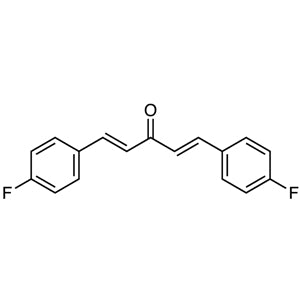
- TCI B2283 53369-00-9 trans,trans-1,5-Bis(4-fluorophenyl)-1,4-pentadien-3-one
- Synthesis of Fluorinated Compounds: This compound is ideal for creating fluorinated structures due to its stable molecular framework and reactivity, supporting the development of new pharmaceuticals and materials.
- Organic Reaction Research: Its versatility in nucleophilic and substitution reactions makes it a preferred choice for studying reaction mechanisms and optimizing synthetic pathways.
- Pharmaceutical Development: Used in the synthesis of drug candidates, its fluorinated structure can enhance bioavailability and metabolic stability of target molecules.
- Material Science Innovation: It contributes to the creation of advanced materials with unique properties, such as improved thermal or electrical conductivity.
- Chemical Education and Training: Its consistent performance and ease of use make it a valuable tool for teaching and demonstrating organic synthesis techniques.
| Brand | TCI |
|---|---|
| CAS number | 347-84-2 |
| Molecular formula | — |
| Purity | — |
| Category | Chemistry > Building Blocks > Fluorinated Building Blocks |
| Pack sizes | Available in various quantities as per supplier specifications |
| Physical form | Solid |
| Storage | Store in a cool, dry place away from direct sunlight |
Benzyl 4-Fluorophenyl Ketone should be stored in a cool, dry environment to maintain its stability and prevent degradation. It is recommended to use airtight containers to protect it from moisture and contaminants. Due to its chemical nature, it should be handled in a well-ventilated area, and appropriate personal protective equipment should be worn when working with it. Avoid exposure to heat or direct sunlight to ensure long-term preservation. In laboratory settings, it is important to follow standard safety protocols to minimize any potential risks associated with its use.
—
Produk Terkait
-
MethylUndecafluoroamylKetone TCI U0071
Regular price Rp 6.070.050,00Regular priceRp 4.244.100,00Sale price Rp 6.070.050,00 -
EthylUndecafluoroamylKetone TCI P1363
Regular price Rp 4.001.550,00Regular priceRp 2.814.000,00Sale price Rp 4.001.550,00 -
Cyclopropyl2-FluorobenzylKetone TCI C2710
Regular price From Rp 1.113.000,00Regular priceRp 793.800,00Sale price From Rp 1.113.000,00 -
1-Benzyl-3-(4-fluorophenyl)piperazine TCI F1303
Regular price From Rp 2.147.250,00Regular priceRp 1.517.250,00Sale price From Rp 2.147.250,00 -
Bis(4-fluorophenyl)Ether TCI B2648
Regular price From Rp 1.326.150,00Regular priceRp 927.150,00Sale price From Rp 1.326.150,00 -
trans,trans-1,5-Bis(4-fluorophenyl)-1,4-pentadien-3-one TCI B2283
Regular price Rp 1.220.100,00Regular priceRp 868.350,00Sale price Rp 1.220.100,00 -
4-FluorophenylAcetate TCI A1429
Regular price Rp 1.008.000,00Regular priceRp 720.300,00Sale price Rp 1.008.000,00 -
(S)-4-Phenyl-3-[5-(4-fluorophenyl)-5-oxopentanoyl]-2-oxazolidinone TCI P2111
Regular price From Rp 1.776.600,00Regular priceRp 1.257.900,00Sale price From Rp 1.776.600,00