5-Amino-3-(4-fluorophenyl)isoxazole is a chemical compound widely used in organic reactions and the synthesis of complex molecules. As a fluorinated building block, it serves as a fundamental component in the development of more intricate chemical structures. In laboratory settings, this compound is commonly utilized as a starting material for organic chemistry research, particularly in the synthesis of fluorinated aromatic compounds. Its role is crucial in the creation of molecules with specific functional groups and structural features, making it a valuable resource for chemists working on advanced synthetic pathways.
The compound's stability and controlled reactivity make it a preferred choice in synthetic applications. Its isoxazole ring, modified with a fluorine atom on the aromatic ring, provides specific reactivity that allows for substitution and condensation reactions with various reagents. The presence of fluorine enhances the compound’s polarity and electronegativity, enabling it to interact effectively with a range of solvents and reactants. These properties make it ideal for reactions requiring precision and controlled chemical transformations.
In Indonesian laboratories, 5-Amino-3-(4-fluorophenyl)isoxazole is frequently used in organic chemistry research, particularly by educational institutions and research centers. Its application supports the development of new compounds and the exploration of synthetic methodologies. The compound’s versatility and chemical properties make it an essential tool for researchers aiming to advance their work in chemical synthesis and molecular design.
Related TCI products
- TCI F1428 33282-24-5 5-(4-Fluorophenyl)isoxazole-3-carboxylic Acid
- TCI B5335 1030825-20-7 2-(5-Bromo-2-methylbenzyl)-5-(4-fluorophenyl)thiophene
- TCI B2764 27469-60-9 1-[Bis(4-fluorophenyl)methyl]piperazine
- TCI F1356 347-12-6 2-(4-Fluorophenyl)imidazo[1,2-a]pyridine
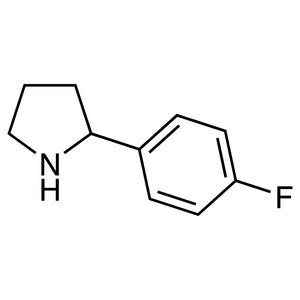
- TCI F1329 72216-06-9 2-(4-Fluorophenyl)pyrrolidine
- TCI F1303 1248908-23-7 1-Benzyl-3-(4-fluorophenyl)piperazine
- Organic synthesis of fluorinated aromatic compounds due to its isoxazole ring and fluorine substitution, enabling controlled chemical transformations.
- Development of complex molecules with specific functional groups, leveraging its reactivity and structural versatility in synthetic pathways.
- Research in medicinal chemistry for drug discovery, as its fluorinated structure can influence biological activity and pharmacological properties.
- Teaching and learning in undergraduate and graduate chemistry programs, providing students with hands-on experience in advanced synthetic techniques.
- Preparation of intermediates for pharmaceutical and agrochemical applications, where precise chemical structures are essential for product development.
| Brand | TCI |
|---|---|
| CAS number | 81465-82-9 |
| Molecular formula | — |
| Purity | — |
| Category | Chemistry > Building Blocks > Fluorinated Building Blocks |
| Pack sizes | Available in various quantities as per standard laboratory supply |
| Physical form | Solid (exact form may vary based on supplier packaging) |
| Storage | Store in a cool, dry place away from direct sunlight and moisture |
This compound should be stored in a cool, dry environment, away from direct sunlight and moisture to maintain its chemical integrity. It is recommended to use airtight containers made of glass or high-density polyethylene to prevent contamination and degradation. Due to its fluorinated nature, it may exhibit increased polarity, so it is important to handle it with care during synthesis and storage. Always ensure proper ventilation when working with this material to minimize exposure. General laboratory safety protocols should be followed, including the use of personal protective equipment such as gloves and goggles. The compound is not classified as hazardous under standard laboratory conditions, but standard chemical handling procedures should be observed to ensure safe usage.
—
Produk Terkait
-
5-(4-Fluorophenyl)isoxazole-3-carboxylicAcid TCI F1428
Regular price From Rp 2.439.150,00Regular priceRp 1.720.950,00Sale price From Rp 2.439.150,00 -
2-(5-Bromo-2-methylbenzyl)-5-(4-fluorophenyl)thiophene TCI B5335
Regular price From Rp 1.087.800,00Regular priceRp 775.950,00Sale price From Rp 1.087.800,00 -
1-[Bis(4-fluorophenyl)methyl]piperazine TCI B2764
Regular price From Rp 822.150,00Regular priceRp 590.100,00Sale price From Rp 822.150,00 -
2-(4-Fluorophenyl)imidazo[1,2-a]pyridine TCI F1356
Regular price Rp 3.021.900,00Regular priceRp 2.128.350,00Sale price Rp 3.021.900,00 -
2-(4-Fluorophenyl)pyrrolidine TCI F1329
Regular price Rp 7.182.000,00Regular priceRp 5.037.900,00Sale price Rp 7.182.000,00 -
1-Benzyl-3-(4-fluorophenyl)piperazine TCI F1303
Regular price From Rp 2.147.250,00Regular priceRp 1.517.250,00Sale price From Rp 2.147.250,00 -
3-(4-Fluorophenyl)pyrazole-4-carboxaldehyde TCI F1118
Regular price From Rp 1.167.600,00Regular priceRp 831.600,00Sale price From Rp 1.167.600,00 -
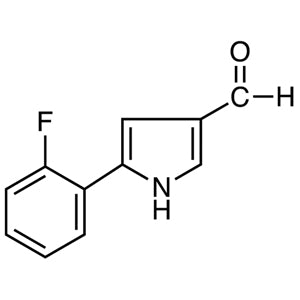
5-(2-Fluorophenyl)pyrrole-3-carboxaldehyde TCI F1074
Regular price Rp 2.199.750,00Regular priceRp 1.554.000,00Sale price Rp 2.199.750,00