![2-(4-Fluorophenyl)imidazo[1,2-a]pyridine (CAS 347-12-6) - TCI F1356 - AMI Scientific](http://amiscientific.com/cdn/shop/files/TCI2510F1356.jpg?v=1768819019&width=1946)
![2-(4-Fluorophenyl)imidazo[1,2-a]pyridine (CAS 347-12-6) - TCI F1356 - AMI Scientific](http://amiscientific.com/cdn/shop/files/TCI2510F1356.jpg?v=1768819019&width=1445)
2-(4-Fluorophenyl)imidazo[1,2-a]pyridine is a chemical compound widely used as a building block in the synthesis of complex molecules. It plays a crucial role in organic chemistry research, particularly in the development of compounds with specific biological activities. This compound is part of the fluorinated building blocks category, which is essential for creating molecules with tailored functional properties. Its unique structure allows it to be a versatile tool for chemists aiming to modify molecular frameworks with precision.
The compound is valued for its chemical stability under controlled conditions and its ability to participate in various functional group reactions. Its fluorinated nature makes it particularly useful in applications requiring selective substitution or structural modification. The compound's sensitivity to moisture and air necessitates careful handling, but its reactivity and specificity make it a preferred choice for advanced synthetic pathways. Its role in enabling precise molecular design is key to its widespread use in both academic and industrial research settings.
In Indonesian laboratories, this compound is commonly used in research focused on drug development, material science, and bioorganic chemistry. Its ability to interact with multiple functional groups allows for diverse applications, making it a valuable resource for scientists seeking to explore new chemical possibilities. The compound's role in creating complex molecular structures is vital for advancing research in various scientific disciplines.
Related TCI products
- TCI B5335 1030825-20-7 2-(5-Bromo-2-methylbenzyl)-5-(4-fluorophenyl)thiophene
- TCI B2764 27469-60-9 1-[Bis(4-fluorophenyl)methyl]piperazine
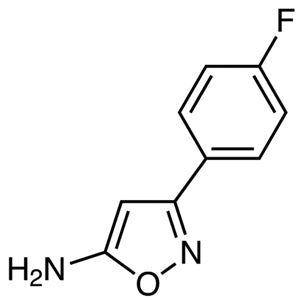
- TCI A2929 81465-82-9 5-Amino-3-(4-fluorophenyl)isoxazole
- TCI F1428 33282-24-5 5-(4-Fluorophenyl)isoxazole-3-carboxylic Acid
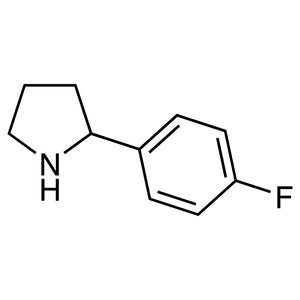
- TCI F1329 72216-06-9 2-(4-Fluorophenyl)pyrrolidine
- TCI F1303 1248908-23-7 1-Benzyl-3-(4-fluorophenyl)piperazine
- Drug Discovery Research: This compound is ideal for synthesizing bioactive molecules due to its fluorinated structure and reactivity, enabling the development of pharmaceutical compounds with enhanced stability and biological activity.
- Organic Synthesis Projects: Its role as a building block allows chemists to construct complex molecular frameworks, making it suitable for synthetic pathways requiring precise functional group modifications.
- Material Science Investigations: The compound's unique chemical properties make it useful in the development of advanced materials with tailored functional characteristics.
- Bioorganic Chemistry Studies: Its ability to interact with various functional groups supports research into molecular interactions relevant to biological systems and enzyme mechanisms.
- Analytical Chemistry Applications: The compound's distinct chemical profile aids in the identification and characterization of complex molecular structures during analytical investigations.
| Brand | TCI |
|---|---|
| CAS number | 347-12-6 |
| Molecular formula | — |
| Purity | — |
| Category | Chemistry > Building Blocks > Fluorinated Building Blocks |
| Pack sizes | Available in various quantities as per supplier specifications |
| Physical form | Solid (as per standard chemical properties) |
| Storage | Requires dry, cool, and dark conditions to prevent degradation |
This compound should be stored in a dry, cool, and dark environment to maintain its chemical stability and prevent degradation. It is recommended to use airtight containers made of inert materials such as glass or polyethylene to minimize exposure to moisture and air. Due to its sensitivity, it is important to handle the compound with care, using appropriate personal protective equipment such as gloves and safety goggles. In laboratory settings, it should be kept away from heat sources and incompatible substances. Proper labeling and storage practices are essential to ensure safe handling and maintain the integrity of the compound during experimental use.
—
Produk Terkait
-
2-(5-Bromo-2-methylbenzyl)-5-(4-fluorophenyl)thiophene TCI B5335
Regular price From Rp 1.035.300,00Regular price -
1-[Bis(4-fluorophenyl)methyl]piperazine TCI B2764
Regular price From Rp 769.650,00Regular price -
5-Amino-3-(4-fluorophenyl)isoxazole TCI A2929
Regular price From Rp 1.510.950,00Regular price -
5-(4-Fluorophenyl)isoxazole-3-carboxylicAcid TCI F1428
Regular price From Rp 2.386.650,00Regular price -
2-(4-Fluorophenyl)pyrrolidine TCI F1329
Regular price Rp 7.129.500,00Regular price -
1-Benzyl-3-(4-fluorophenyl)piperazine TCI F1303
Regular price From Rp 2.094.750,00Regular price -
3-(4-Fluorophenyl)pyrazole-4-carboxaldehyde TCI F1118
Regular price From Rp 1.115.100,00Regular price -
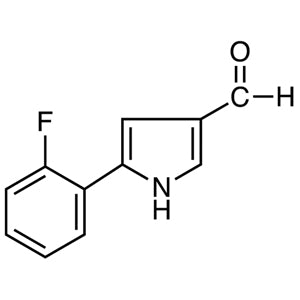
5-(2-Fluorophenyl)pyrrole-3-carboxaldehyde TCI F1074
Regular price Rp 2.147.250,00Regular price

![27469-60-9 1-[Bis(4-fluorophenyl)methyl]piperazine - AMI Scientific](http://amiscientific.com/cdn/shop/files/TCI2510B2764.jpg?v=1768815392&width=533)