

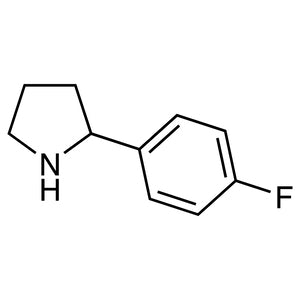
2-(4-Fluorophenyl)pyrrolidine is a chemical compound widely used in laboratory settings as a building block for the synthesis of complex molecules. Its unique molecular structure, featuring a fluorine group on the phenyl ring, makes it a valuable tool for organic chemists. This compound plays a crucial role in the development of pharmaceuticals and industrial chemicals by enabling precise structural modifications. Its reactivity and stability under controlled conditions make it a reliable choice for various chemical reactions.
The compound's fluorinated structure provides distinctive electronic properties, influencing its reactivity and compatibility with different reagents. Its solubility in organic solvents further enhances its utility in laboratory processes, allowing for efficient handling and application. These characteristics make it a preferred choice for researchers seeking to design and synthesize new compounds with specific functional properties.
In Indonesian laboratories, 2-(4-Fluorophenyl)pyrrolidine is commonly used by chemists and pharmacologists for the development of new compounds, biological activity testing, and molecular structure studies. Its availability and reliability support ongoing research in both academic and industrial settings, contributing to advancements in chemical science and drug discovery.
TCI brochures (PDF)
- Fluorination Reagents, Fluorinated Building Blocks 2026-03-18 · p. 16
Related TCI products
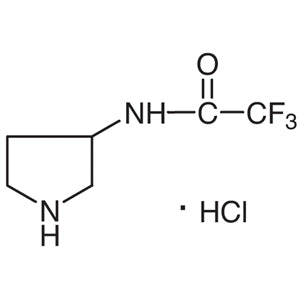
- TCI T1247 84424-06-6 3-(Trifluoroacetamido)pyrrolidine Hydrochloride
- TCI B5335 1030825-20-7 2-(5-Bromo-2-methylbenzyl)-5-(4-fluorophenyl)thiophene
- TCI B2764 27469-60-9 1-[Bis(4-fluorophenyl)methyl]piperazine
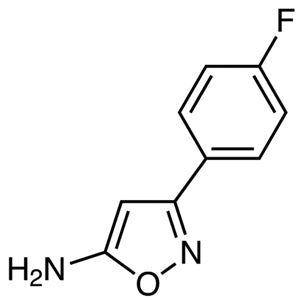
- TCI A2929 81465-82-9 5-Amino-3-(4-fluorophenyl)isoxazole
- TCI F1428 33282-24-5 5-(4-Fluorophenyl)isoxazole-3-carboxylic Acid
- TCI F1356 347-12-6 2-(4-Fluorophenyl)imidazo[1,2-a]pyridine
- Organic synthesis applications benefit from this compound’s ability to participate in a wide range of chemical reactions, enabling the creation of complex molecular structures.
- Pharmaceutical research utilizes its fluorinated structure to design compounds with enhanced biological activity and improved pharmacological properties.
- Industrial chemical development leverages its stability and reactivity for the synthesis of specialized materials and functional chemicals.
- Molecular structure studies rely on its unique electronic properties to investigate reaction mechanisms and molecular interactions.
- Bioactivity testing incorporates this compound to evaluate its potential as a lead molecule in drug discovery and development.
| Brand | TCI |
|---|---|
| CAS number | 72216-06-9 |
| Molecular formula | — |
| Purity | — |
| Category | Chemistry > Building Blocks > Fluorinated Building Blocks |
| Pack sizes | Available in various quantities as per supplier specifications |
| Physical form | Solid or liquid depending on the specific formulation |
| Storage | Store in a cool, dry place away from direct sunlight |
This compound should be stored in a cool, dry environment, away from direct sunlight and sources of heat. It is recommended to use airtight containers to prevent exposure to moisture and air, which may affect its stability. Proper labeling of containers is essential to ensure safe handling and prevent accidental contamination. In laboratory settings, it is important to follow standard safety protocols, including the use of personal protective equipment when handling. Due to its chemical nature, it should be stored separately from incompatible substances to avoid potential reactions. Regular monitoring of storage conditions ensures the compound remains in optimal condition for use in research applications.
—
Produk Terkait
-
3-(Trifluoroacetamido)pyrrolidineHydrochloride TCI T1247
Regular price Rp 2.809.800,00Regular price -
2-(5-Bromo-2-methylbenzyl)-5-(4-fluorophenyl)thiophene TCI B5335
Regular price From Rp 1.035.300,00Regular price -
1-[Bis(4-fluorophenyl)methyl]piperazine TCI B2764
Regular price From Rp 769.650,00Regular price -
5-Amino-3-(4-fluorophenyl)isoxazole TCI A2929
Regular price From Rp 1.510.950,00Regular price -
5-(4-Fluorophenyl)isoxazole-3-carboxylicAcid TCI F1428
Regular price From Rp 2.386.650,00Regular price -
2-(4-Fluorophenyl)imidazo[1,2-a]pyridine TCI F1356
Regular price Rp 2.969.400,00Regular price -
1-Benzyl-3-(4-fluorophenyl)piperazine TCI F1303
Regular price From Rp 2.094.750,00Regular price -
3-(4-Fluorophenyl)pyrazole-4-carboxaldehyde TCI F1118
Regular price From Rp 1.115.100,00Regular price

![27469-60-9 1-[Bis(4-fluorophenyl)methyl]piperazine - AMI Scientific](http://amiscientific.com/cdn/shop/files/TCI2510B2764.jpg?v=1768815392&width=533)

![2-(4-Fluorophenyl)imidazo[1,2-a]pyridine (CAS 347-12-6) - TCI F1356 - AMI Scientific](http://amiscientific.com/cdn/shop/files/TCI2510F1356.jpg?v=1768819019&width=533)

