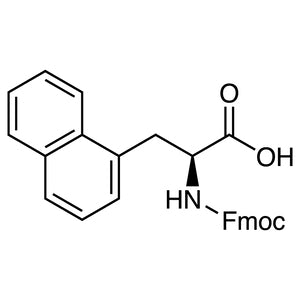
TCI F1320 96402-49-2 Fmoc-1-Nal-OH is a chemical compound widely used in peptide synthesis. It plays a crucial role in chemical biology, particularly in the development of bioactive compounds. This compound is essential for researchers working in pharmacology, biochemistry, and biotechnology. Its application spans across various scientific fields where precise chemical reactions are required. Due to its chemical stability and reactivity under controlled conditions, it is a reliable choice for laboratory experiments.
The compound is known for its stable chemical structure and its ability to react under specific conditions, making it ideal for high-precision chemical processes. The Fmoc (9-fluorenylmethyloxycarbonyl) group acts as a protective group that shields the amino group from unwanted reactions until the final stages of synthesis. This feature ensures that the compound remains chemically inert during intermediate steps, which is vital for the success of peptide synthesis. Its reactivity and stability make it a preferred choice for researchers requiring consistent and predictable results.
In Indonesian laboratories, Fmoc-1-Nal-OH is commonly used by researchers in chemical biology. It is particularly relevant for drug development, protein modification, and molecular interaction studies. Its availability in the local market makes it accessible to research institutions and universities. Its role in peptide synthesis supports a wide range of scientific investigations, contributing to advancements in biotechnology and pharmaceutical research.
TCI brochures (PDF)
- Amino Acids and Peptide Synthesis Reagents 2025-08-14 · p. 22
- Peptide Synthesis: Fmoc-1-Nal-OH is ideal for synthesizing peptides due to its protective group, ensuring accurate and controlled reactions.
- Drug Development: It supports the creation of bioactive compounds, aiding in the design of new pharmaceutical agents.
- Biochemical Research: The compound is used in studies involving protein modification and molecular interactions.
- Biotechnology Applications: It plays a key role in developing novel biotechnological products and therapeutic agents.
- Academic Research: Widely used in universities and research institutions for teaching and experimental studies.
| Brand | TCI |
|---|---|
| CAS number | 96402-49-2 |
| Molecular formula | — |
| Purity | — |
| Category | Chemistry > Chemical Biology > Peptide Chemistry |
| Pack sizes | — |
| Physical form | — |
| Storage | Store in a cool, dry place away from light |
Fmoc-1-Nal-OH should be stored in a cool, dry environment, away from direct light to maintain its chemical stability. It is recommended to use airtight containers to prevent moisture absorption, which could affect its reactivity. Due to its chemical nature, it should be handled with appropriate personal protective equipment, such as gloves and safety goggles, to ensure laboratory safety. The compound is not classified as hazardous under standard handling conditions, but standard laboratory protocols should be followed to maintain a safe working environment. Proper storage and handling are essential to preserve its effectiveness in peptide synthesis applications.
—
Product Categories
Produk Terkait
-
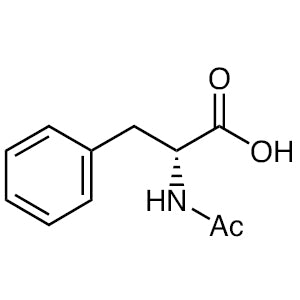
N-Acetyl-D-phenylalanine TCI A0105
Regular price From Rp 1.087.800,00Regular price -
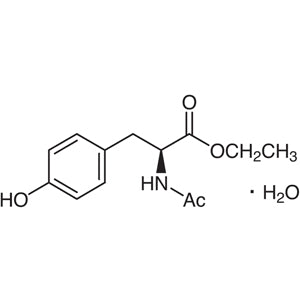
N-Acetyl-L-tyrosineEthylEsterMonohydrate TCI A0118
Regular price From Rp 610.050,00Regular price -
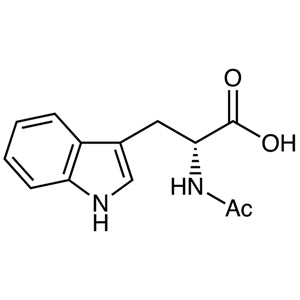
N-Acetyl-D-tryptophan TCI A0119
Regular price From Rp 769.650,00Regular price -
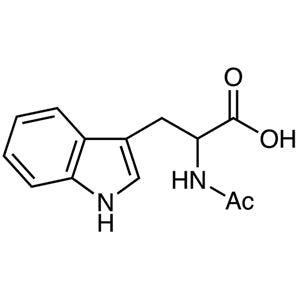
N-Acetyl-DL-tryptophan TCI A0120
Regular price From Rp 637.350,00Regular price -
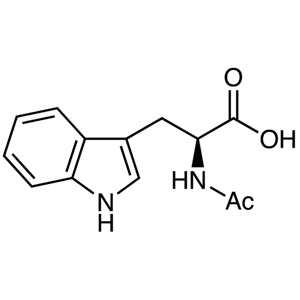
N-Acetyl-L-tryptophan TCI A0121
Regular price From Rp 477.750,00Regular price -
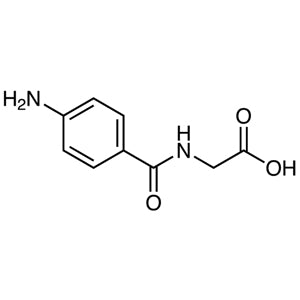
4-AminohippuricAcid TCI A0313
Regular price From Rp 3.949.050,00Regular price -
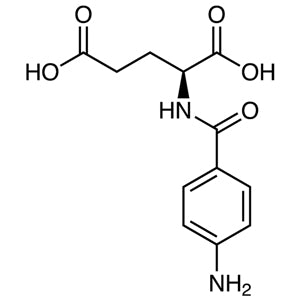
N-(4-Aminobenzoyl)-L-glutamicAcid TCI A0442
Regular price From Rp 1.087.800,00Regular price -
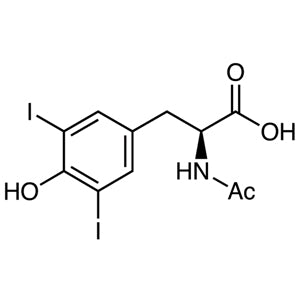
N-Acetyl-3,5-diiodo-L-tyrosine TCI A0087
Regular price Rp 1.008.000,00Regular price