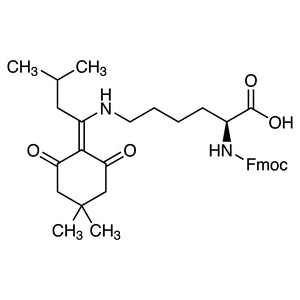
TCI F1321 204777-78-6 Fmoc-Lys(ivDde)-OH is a chemical compound widely used in peptide synthesis within laboratory settings. This compound is a protected L-lysine amino acid derivative, featuring both Fmoc and ivDde protecting groups. These groups allow for selective peptide coupling during synthesis, making it an essential component in the development of peptide-based compounds. In the laboratory, it serves as a foundational building block for creating a variety of peptides with specific biological and pharmacological applications. Its role is critical in the field of chemical biology, particularly in the study of protein structures and drug development.
The compound is known for its chemical stability and controlled reactivity, which are key factors in its popularity among researchers. The Fmoc group enables efficient deprotection under specific conditions, while the ivDde group provides additional control over the reaction sequence. This dual protection system ensures that the peptide synthesis process remains precise and reproducible. The compound’s complex structure is well-suited for solid-phase peptide synthesis, a standard technique in peptide chemistry. These properties make it a preferred choice for laboratories requiring high-quality, reliable reagents.
In Indonesian laboratories, TCI F1321 204777-78-6 Fmoc-Lys(ivDde)-OH is commonly used in research related to drug development, biomedical diagnostics, and protein structure analysis. Its availability in the local market supports scientific investigations that require specialized chemical reagents. The compound is frequently employed in academic and industrial research settings, contributing to advancements in molecular biology and pharmacology.
- Drug development research benefits from this compound as it enables the synthesis of peptides with potential therapeutic applications.
- Biomedical diagnostics utilize this material to create specific peptide probes for detecting biomarkers in clinical samples.
- Protein structure studies rely on this compound to construct model peptides that mimic native protein sequences.
- Solid-phase peptide synthesis techniques are enhanced by its stability and controlled reactivity, ensuring accurate and reproducible results.
- Peptide-based therapeutics research uses this compound to design and test novel drug candidates with targeted biological activity.
| Brand | TCI |
|---|---|
| CAS number | 204777-78-6 |
| Molecular formula | — |
| Purity | — |
| Category | Chemistry > Chemical Biology > Peptide Chemistry |
| Pack sizes | — |
| Physical form | — |
| Storage | Store in a cool, dry place away from light |
This compound should be stored in a cool, dry environment, away from direct sunlight and moisture. It is recommended to use airtight containers to prevent exposure to air and humidity, which can affect its stability. Proper labeling of storage containers is essential to ensure safe handling and prevent cross-contamination. In a laboratory setting, it is important to use appropriate personal protective equipment, such as gloves and safety goggles, when handling this material. The compound should be kept in a secure location that is inaccessible to unauthorized personnel. Regular inspection of storage conditions is advised to maintain the integrity of the compound and ensure compliance with safety protocols.
—
Produk Terkait
-
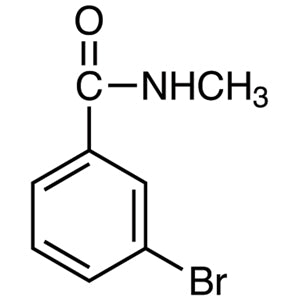
3-Bromo-N-methylbenzamide TCI B5644
Regular price From Rp 1.431.150,00Regular price -
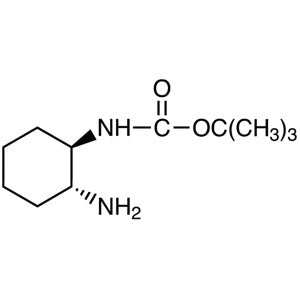
(1R,2R)-N1-(tert-Butoxycarbonyl)-1,2-cyclohexanediamine TCI B5647
Regular price Rp 3.367.350,00Regular price -
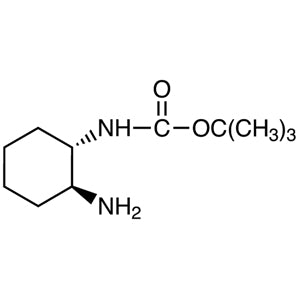
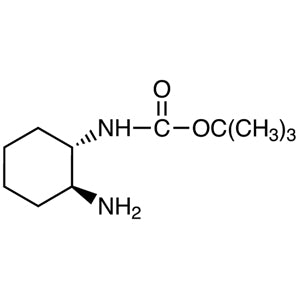
(1S,2S)-N1-(tert-Butoxycarbonyl)-1,2-cyclohexanediamine TCI B5648
Regular price From Rp 2.809.800,00Regular price -
N-Benzyl-2,2,2-trifluoroacetamide TCI B5705
Regular price From Rp 1.326.150,00Regular price -
SB-366791 TCI B5762
Regular price From Rp 5.485.200,00Regular price -
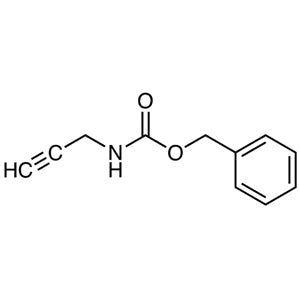
N-Carbobenzoxypropargylamine TCI B5958
Regular price Rp 4.849.950,00Regular price -
tert-Butyl(3-Oxo-3-phenylpropyl)carbamate TCI B5981
Regular price Rp 4.584.300,00Regular price -
SB297006 TCI B6053
Regular price From Rp 3.710.700,00Regular price