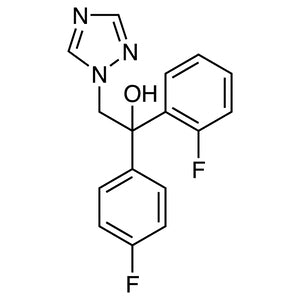
Flutriafol is a chemical compound widely used in laboratory research, particularly in the fields of nutrition and cell biology. It plays a crucial role in studying the interactions between nutrients and cellular functions, especially in the context of metabolism and enzyme activity. This compound is essential for understanding the biological mechanisms behind how cells respond to nutritional stimuli. Its application extends to various experimental setups aimed at exploring the biochemical pathways involved in cellular processes.
One of the key attributes that make Flutriafol a preferred choice is its chemical stability and solubility in specific organic solvents. These properties facilitate its synthesis and use in laboratory settings, ensuring consistent results in experiments. Additionally, its ability to interact specifically with proteins and enzymes allows researchers to control biological activities with precision. This makes it an ideal tool for experiments requiring high accuracy and reproducibility.
In Indonesian laboratories, Flutriafol is commonly used in research related to nutrition, pharmacology, and molecular biology. Its relevance is evident in studies aimed at developing new nutritional products or pharmaceuticals, as well as in understanding disease mechanisms linked to metabolic processes. Its versatility and reliability make it a valuable resource for scientific investigations in these areas.
TCI brochures (PDF)
- Agrochemical Ingredients for Research and Experimental Use 2026-01-08 · p. 5
- Plant Research Reagents 2026-02-24 · p. 11
- Nutritional Research: Flutriafol is used to investigate how nutrients influence cellular metabolism and enzyme activity, aiding in the development of new dietary supplements.
- Cell Biology Studies: It supports experiments on cellular responses to nutrients, helping researchers understand the molecular basis of cellular function.
- Pharmacological Investigations: Flutriafol is employed to study the effects of compounds on enzyme pathways, contributing to drug discovery and development.
- Molecular Biology Experiments: Its interaction with proteins and enzymes makes it suitable for studies on gene expression and regulatory mechanisms.
- Metabolic Disease Research: It is used to explore the role of specific metabolic pathways in disease development, supporting therapeutic research.
| Brand | TCI |
|---|---|
| CAS number | 76674-21-0 |
| Molecular formula | — |
| Purity | — |
| Category | Life Science > Cell Biology > Nutrition Research |
| Pack sizes | Available in various quantities as per standard laboratory supply |
| Physical form | Solid, crystalline or powder, depending on formulation |
| Storage | Store in a cool, dry place away from light and moisture |
Flutriafol should be stored in a cool, dry environment, away from direct sunlight and moisture to maintain its chemical stability. It is recommended to use airtight containers made of glass or high-density polyethylene to prevent contamination and degradation. Due to its potential reactivity with certain substances, it should be handled in a well-ventilated area, preferably with a fume hood. Laboratory personnel should wear appropriate personal protective equipment, including gloves and safety goggles, when handling the compound. Proper labeling of storage containers is essential to ensure safe handling and prevent accidental exposure. Regular monitoring of storage conditions is advised to maintain the integrity of the compound during long-term use.
—
Produk Terkait
-
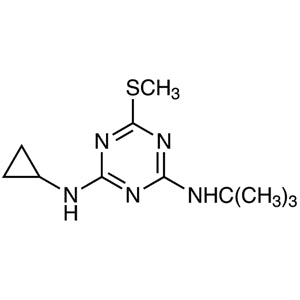
2-(tert-Butylamino)-4-(cyclopropylamino)-6-(methylthio)-1,3,5-triazine TCI I0842
Regular price From Rp 1.644.300,00Regular price -
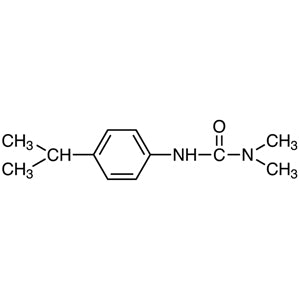
Isoproturon TCI I0843
Regular price From Rp 1.298.850,00Regular price -
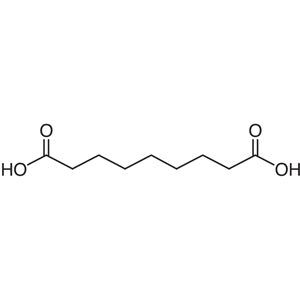
AzelaicAcid TCI A0561
Regular price From Rp 505.050,00Regular price -
AbieticAcid TCI A0001
Regular price From Rp 1.510.950,00Regular price -
Sulfentrazone TCI U0110
Regular price From Rp 2.411.850,00Regular price -
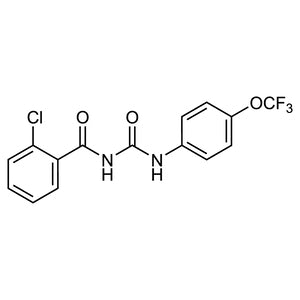
Triflumuron TCI T4364
Regular price From Rp 1.220.100,00Regular price -
Tralopyril TCI T4109
Regular price From Rp 2.730.000,00Regular price -
Tribenuron-methyl TCI T4085
Regular price From Rp 2.359.350,00Regular price