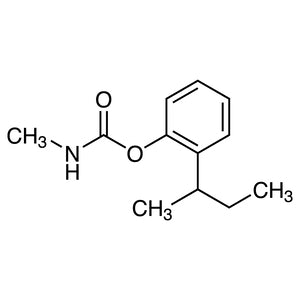
Fenobucarb is a chemical compound widely used in life science research, particularly in cell biology and nutrition studies. As an enzyme inhibitor, it plays a crucial role in regulating specific enzymatic activities involved in nutrient metabolism. Its ability to modulate enzyme function makes it an essential tool for understanding biochemical pathways and their impact on physiological processes. This compound is commonly employed in experimental settings to investigate enzyme regulation mechanisms and their broader implications in biological systems.
Fenobucarb is valued for its chemical stability and solubility in certain organic solvents, which enhances its usability in various laboratory applications. Its stable nature ensures consistent results across experiments, while its solubility characteristics allow for easy preparation of solutions for enzyme activity assays or toxicity testing. The solid form of Fenobucarb also simplifies weighing and storage procedures, making it a practical choice for researchers. Additionally, its safe handling profile under appropriate conditions ensures reliability in precision-driven scientific work.
In Indonesian laboratories, Fenobucarb is frequently used in research related to nutrition and metabolism. It is a key component in studies aimed at understanding how enzymes influence nutrient processing and metabolic pathways. Its relevance extends to biochemical and pharmacological research, supporting investigations into enzyme inhibition and its therapeutic potential. The compound's availability and reliability make it a preferred choice for academic and industrial research institutions in Indonesia.
- Enzyme Inhibition Studies - Fenobucarb is ideal for investigating how it inhibits specific enzymes, helping researchers understand metabolic pathways and regulatory mechanisms.
- Nutritional Metabolism Research - Its role in modulating enzyme activity makes it a valuable tool for studying how nutrients are processed and utilized in biological systems.
- Toxicity Testing - The compound's solubility in organic solvents allows for its use in preparing test solutions to assess the toxicological effects of various substances.
- Biochemical Pathway Analysis - Fenobucarb enables the study of enzyme interactions and their impact on cellular processes, supporting deeper insights into metabolic functions.
- Pharmacological Research - Its ability to inhibit enzymes is useful in drug development, helping to explore potential therapeutic applications and mechanisms of action.
| Brand | TCI |
|---|---|
| CAS number | 3766-81-2 |
| Molecular formula | — |
| Purity | — |
| Category | Life Science > Cell Biology > Nutrition Research |
| Pack sizes | — |
| Physical form | Solid |
| Storage | Store in a cool, dry place away from direct sunlight |
Fenobucarb should be stored in a cool, dry environment, away from direct sunlight and sources of heat. It is recommended to use airtight containers to prevent moisture absorption and maintain chemical stability. Due to its solid form, it is easy to handle and measure accurately, which is essential for precise experimental setups. Researchers should ensure proper ventilation when working with the compound to minimize exposure. While it is generally safe to handle under standard laboratory conditions, appropriate personal protective equipment should be worn when handling or preparing solutions. Its stable nature ensures that it remains effective for extended periods when stored correctly.
—
Produk Terkait
-
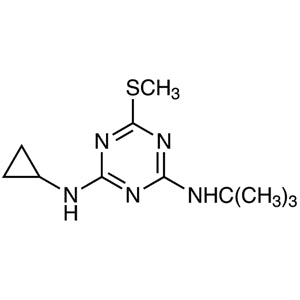
2-(tert-Butylamino)-4-(cyclopropylamino)-6-(methylthio)-1,3,5-triazine TCI I0842
Regular price From Rp 1.644.300,00Regular price -
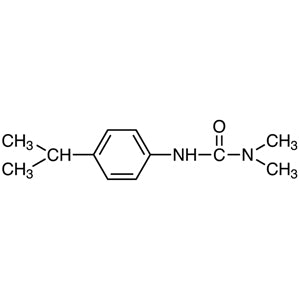
Isoproturon TCI I0843
Regular price From Rp 1.298.850,00Regular price -
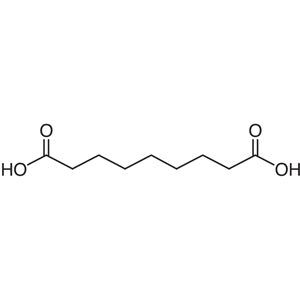
AzelaicAcid TCI A0561
Regular price From Rp 505.050,00Regular price -
AbieticAcid TCI A0001
Regular price From Rp 1.510.950,00Regular price -
Sulfentrazone TCI U0110
Regular price From Rp 2.411.850,00Regular price -
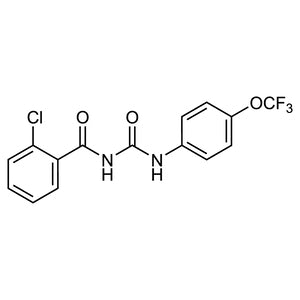
Triflumuron TCI T4364
Regular price From Rp 1.220.100,00Regular price -
Tralopyril TCI T4109
Regular price From Rp 2.730.000,00Regular price -
Tribenuron-methyl TCI T4085
Regular price From Rp 2.359.350,00Regular price