TCI G0232 Calcium DL-Glycerate Hydrate is the calcium salt of glyceric acid, a three-carbon hydroxycarboxylic acid formed by the oxidation of glycerol. The DL designation indicates that the compound is a racemic mixture of both enantiomers, while the hydrate suffix denotes water molecules bound within its crystal lattice. In the laboratory, this material serves as a stable, readily weighable, and easily stored source of glycerate ions, offering a practical alternative to free glyceric acid, which tends to exist as a hygroscopic syrup that is difficult to handle quantitatively.
The properties that make this calcium salt a preferred choice are its stability and convenience in routine handling. As a crystalline solid, the compound can be weighed accurately, stored over long periods, and dissolved in water to generate glycerate solutions as required. The dual hydroxyl groups and the carboxylate group on its backbone make glycerate a valuable building block for chiral synthesis and polymer work, while also allowing it to act as a weak chelating ligand toward metal ions. Its calcium content additionally makes it a relevant mineral source for nutrition research, since glycerate is a well-recognised natural metabolite.
In Indonesian laboratories, this material is typically handled in university chemistry departments, research institutes, and industrial R&D units that carry out organic synthesis, biochemical studies, or nutrition-related investigations. Its crystalline form suits the warm and humid conditions common across the region better than syrupy free acids, since it remains manageable on an ordinary analytical balance. Researchers generally prepare fresh aqueous stock solutions from the weighed solid on the day of use, keeping the remaining material tightly sealed between experiments.
- Chiral building block synthesis: the glycerate skeleton carries two hydroxyl groups and a carboxylate, giving multiple handles for selective derivatisation in multi-step organic preparations.
- Preparation of glycerate stock solutions: the crystalline salt dissolves in water to release glycerate ions, allowing accurate concentrations to be prepared without handling a hygroscopic free acid.
- Metal ion chelation studies: the adjacent hydroxyl and carboxylate functions allow glycerate to act as a weak chelating ligand, making it useful in coordination and binding experiments.
- Polymer and materials research: the polyfunctional three-carbon backbone serves as a monomer or modifier where hydroxyl and acid groups are needed for condensation chemistry.
- Nutrition and mineral research: the compound supplies calcium together with glycerate, a well-recognised natural metabolite, supporting studies on mineral sources and metabolic pathways.
| Brand | TCI |
|---|---|
| CAS number | 207300-72-9 |
| Molecular formula | — |
| Purity | — |
| Category | Chemistry > Building Blocks > Non-Heterocyclic Building Blocks |
| Pack sizes | available in standard TCI research-scale packaging; please confirm the size options when ordering |
| Physical form | crystalline solid (hydrated calcium salt) |
| Storage | keep in a tightly closed container in a cool, dry place |
Store TCI G0232 Calcium DL-Glycerate Hydrate in its original tightly closed container in a cool, dry location, away from direct sunlight, moisture, and incompatible chemicals. Because the material is a hydrate, containers should be resealed promptly after use to preserve the bound water content and prevent moisture uptake from humid ambient air. Use clean, dry glass or chemically resistant plastic containers for weighed portions and prepared solutions, and label them clearly with the compound name and date. Handle the solid in a well-ventilated area or fume hood, wearing a laboratory coat, safety goggles, and gloves, and avoid generating or inhaling dust. Wash hands thoroughly after handling and consult the manufacturer's safety data sheet before first use.
—
Produk Terkait
-
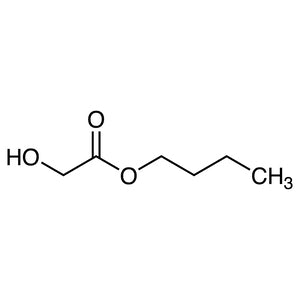
Butyl2-Hydroxyacetate TCI B6748
Regular price From Rp 1.220.100,00Regular price -
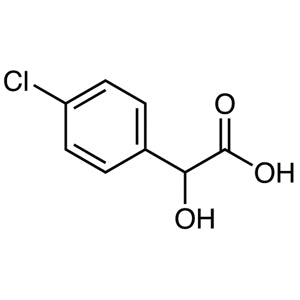
4-Chloro-DL-mandelicAcid TCI C0193
Regular price From Rp 1.035.300,00Regular price -
DeoxycholicAcid TCI C0315
Regular price From Rp 1.618.050,00Regular price -
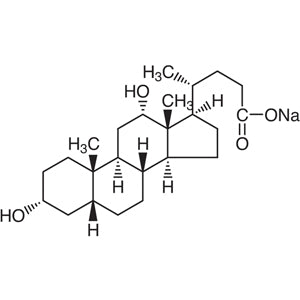
SodiumDeoxycholate TCI C0316
Regular price From Rp 1.644.300,00Regular price -
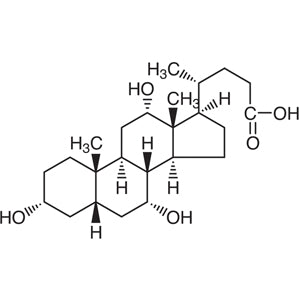
CholicAcid TCI C0324
Regular price From Rp 1.353.450,00Regular price -
SodiumCholate TCI C0325
Regular price From Rp 1.724.100,00Regular price -
ChenodeoxycholicAcid TCI C0750
Regular price Rp 1.246.350,00Regular price -
Methyl(E)-4-Chloro-3-methoxy-2-butenoate TCI C1340
Regular price From Rp 1.908.900,00Regular price