Hydroxyacetone (116-09-6), also known as TCI H0388, is an organic compound widely used in various chemical reactions within laboratory settings. As a fundamental building block in chemistry, it plays a crucial role in the synthesis of complex molecules, including heterocyclic and aromatic compounds. Its versatility makes it a valuable reagent for both academic and industrial research. This compound is particularly useful in reduction and oxidation reactions, as well as in the production of intermediate compounds that serve as precursors for pharmaceuticals and chemical products.
The properties of hydroxyacetone that make it a preferred choice include its simple molecular structure and high reactivity. These characteristics allow it to participate in a wide range of chemical transformations with predictable outcomes. The stabilization with sodium carbonate (Na2CO3) enhances its stability, reducing the risk of degradation and unwanted side reactions. This stabilization ensures consistent performance and safety during storage and use, making it a reliable option for laboratory applications.
In Indonesian laboratories, hydroxyacetone is commonly used in organic chemistry research, drug development, and the production of industrial chemicals. Its availability and reactivity make it a go-to compound for researchers conducting experiments on a small to medium scale. The stabilized form ensures that it remains effective and safe for use in a variety of experimental conditions.
Related TCI products
- Organic synthesis experiments benefit from hydroxyacetone’s reactivity and role in building complex molecular structures.
- Pharmaceutical research utilizes hydroxyacetone in the development of drug intermediates and compound synthesis.
- Industrial chemical production relies on hydroxyacetone for the creation of precursor compounds in manufacturing processes.
- Redox reactions in analytical chemistry often use hydroxyacetone as a key reagent for oxidation and reduction pathways.
- Educational laboratories employ hydroxyacetone for teaching fundamental chemical reactions and synthesis techniques.
| Brand | TCI |
|---|---|
| CAS number | 116-09-6 |
| Molecular formula | — |
| Purity | — |
| Category | Chemistry > Building Blocks > Non-Heterocyclic Building Blocks |
| Pack sizes | Available in various quantities suitable for laboratory use |
| Physical form | Liquid |
| Storage | Store in a cool, dry place away from direct sunlight |
Hydroxyacetone should be stored in a cool, dry environment to maintain its stability and prevent degradation. It is recommended to keep the container tightly sealed to minimize exposure to air and moisture. Suitable storage containers include glass or high-density polyethylene (HDPE) bottles, which provide resistance to chemical reactions. Due to its reactivity, it should be handled with care, using appropriate personal protective equipment such as gloves and safety goggles. Avoid contact with incompatible substances and ensure proper ventilation in the laboratory to maintain a safe working environment. Regular monitoring of storage conditions ensures the compound remains effective and safe for use in experimental settings.
—
Produk Terkait
-
3'-Hydroxyacetophenone TCI A0104
Regular price From Rp 1.060.500,00Regular price -
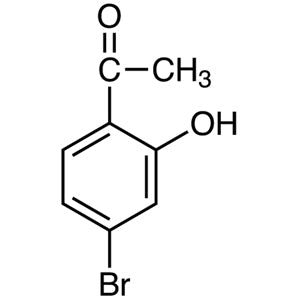
4'-Bromo-2'-hydroxyacetophenone TCI B5382
Regular price From Rp 823.200,00Regular price -
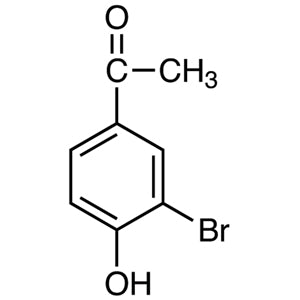
3'-Bromo-4'-hydroxyacetophenone TCI B5158
Regular price Rp 2.862.300,00Regular price -
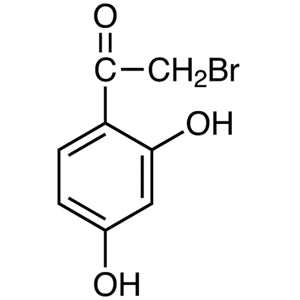
2-Bromo-2',4'-dihydroxyacetophenone TCI B4767
Regular price Rp 1.405.950,00Regular price -
2-Bromo-2'-hydroxyacetophenone TCI B4735
Regular price From Rp 1.565.550,00Regular price -
2-Bromo-4'-hydroxyacetophenone TCI B4115
Regular price From Rp 823.200,00Regular price -
3'-Bromo-5'-chloro-2'-hydroxyacetophenone TCI B2236
Regular price Rp 1.431.150,00Regular price -
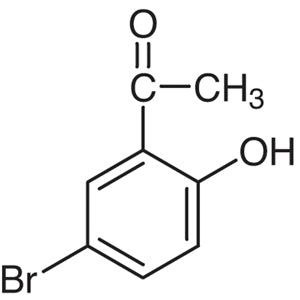
5'-Bromo-2'-hydroxyacetophenone TCI B2061
Regular price From Rp 903.000,00Regular price