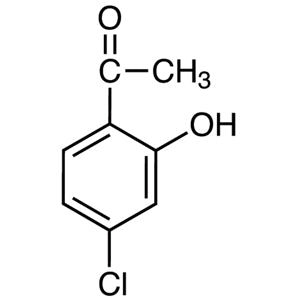
3'-Bromo-5'-chloro-2'-hydroxyacetophenone is a chemical compound widely used as a building block in the synthesis of complex molecules. It plays a crucial role in organic laboratories, where it serves as a versatile intermediate for various chemical transformations. This compound is particularly valuable in the development of heterocyclic structures and functionalized compounds due to its reactivity and compatibility with multiple functional groups. Its presence in laboratory workflows supports the creation of a wide range of chemical entities, making it an essential tool for researchers working in synthetic chemistry.
The compound's molecular structure features bromo, chloro, and hydroxyl groups, which contribute to its high reactivity and functionalization potential. These substituents allow for diverse chemical modifications, enhancing its utility in synthetic pathways. The stability of its molecular framework ensures reliable performance in various reaction conditions, making it a preferred choice for chemists. Its ability to participate in multiple reaction types, such as nucleophilic substitution and electrophilic aromatic substitution, further solidifies its position as a key reagent in laboratory settings.
In Indonesian laboratories, 3'-Bromo-5'-chloro-2'-hydroxyacetophenone is extensively used in organic chemistry research, particularly in the synthesis of pharmaceutical compounds and industrial chemicals. Its availability and effectiveness make it a staple in both academic and industrial research environments. Researchers rely on its consistent performance to achieve desired chemical outcomes, supporting advancements in chemical synthesis and innovation.
Related TCI products
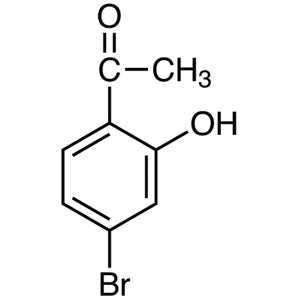
- TCI B5382 30186-18-6 4'-Bromo-2'-hydroxyacetophenone
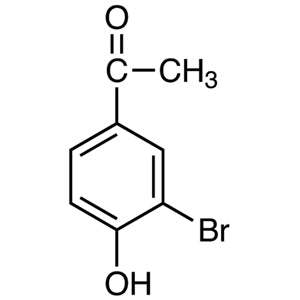
- TCI B5158 1836-06-2 3'-Bromo-4'-hydroxyacetophenone
- TCI B4735 2491-36-3 2-Bromo-2'-hydroxyacetophenone
- TCI B4115 2491-38-5 2-Bromo-4'-hydroxyacetophenone
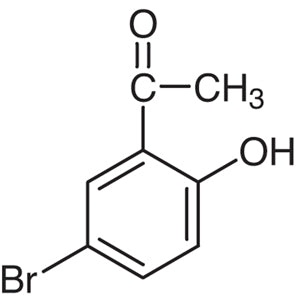
- TCI B2061 1450-75-5 5'-Bromo-2'-hydroxyacetophenone
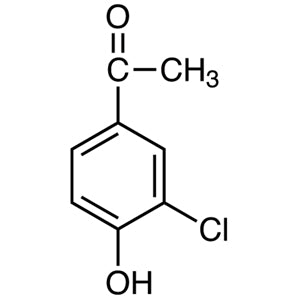
- TCI C3076 2892-29-7 3'-Chloro-4'-hydroxyacetophenone
- Organic synthesis of heterocyclic compounds due to its reactivity and functional group compatibility
- Functionalization of aromatic rings through bromo and chloro substituents for diverse chemical modifications
- Development of pharmaceutical intermediates in drug synthesis processes
- Preparation of complex chemical structures in academic and industrial research settings
- Support for industrial chemical production through reliable and consistent chemical behavior
| Brand | TCI |
|---|---|
| CAS number | 59443-15-1 |
| Molecular formula | — |
| Purity | — |
| Category | Chemistry > Building Blocks > Non-Heterocyclic Building Blocks |
| Pack sizes | Available in standard laboratory quantities |
| Physical form | Solid or liquid, depending on supplier packaging |
| Storage | Store in a cool, dry place away from light and moisture |
This compound should be stored in a cool, dry environment, away from direct light and moisture to maintain its stability and reactivity. It is recommended to use airtight containers made of glass or polyethylene to prevent contamination and degradation. When handling, ensure proper ventilation and use of personal protective equipment, such as gloves and safety goggles, to minimize exposure. Avoid contact with incompatible substances, such as strong bases or oxidizing agents, to prevent unwanted reactions. Proper storage and handling practices are essential to ensure the compound's effectiveness and safety in laboratory applications.
—
Produk Terkait
-
4'-Bromo-2'-hydroxyacetophenone TCI B5382
Regular price From Rp 875.700,00Regular priceRp 627.900,00Sale price From Rp 875.700,00 -
3'-Bromo-4'-hydroxyacetophenone TCI B5158
Regular price Rp 2.914.800,00Regular priceRp 2.053.800,00Sale price Rp 2.914.800,00 -
2-Bromo-2'-hydroxyacetophenone TCI B4735
Regular price From Rp 1.618.050,00Regular priceRp 1.146.600,00Sale price From Rp 1.618.050,00 -
2-Bromo-4'-hydroxyacetophenone TCI B4115
Regular price From Rp 875.700,00Regular priceRp 627.900,00Sale price From Rp 875.700,00 -
5'-Bromo-2'-hydroxyacetophenone TCI B2061
Regular price From Rp 955.500,00Regular priceRp 683.550,00Sale price From Rp 955.500,00 -
3'-Chloro-4'-hydroxyacetophenone TCI C3076
Regular price From Rp 1.378.650,00Regular priceRp 979.650,00Sale price From Rp 1.378.650,00 -
4'-Chloro-2'-hydroxyacetophenone TCI C2968
Regular price From Rp 2.147.250,00Regular priceRp 1.517.250,00Sale price From Rp 2.147.250,00 -
3'-Hydroxyacetophenone TCI A0104
Regular price From Rp 1.113.000,00Regular priceRp 793.800,00Sale price From Rp 1.113.000,00