TCI H0527 5-(2-Hydroxyethyl)-4-methylthiazole is a heterocyclic compound built around a thiazole ring that carries a methyl group together with a hydroxyethyl side chain. The thiazole ring contains both a nitrogen atom and a sulfur atom within a single five-membered ring, a structural motif that is very well known in organic chemistry because it forms the core of vitamin B1, or thiamine. In the laboratory, this compound serves as a heterocyclic building block for the synthesis of thiazole derivatives, as an intermediate in the preparation of biologically relevant compounds, and as a reference compound in aroma chemistry studies, since the thiazole class is recognized for contributing distinctive aroma character.
The strength of this material lies in the combination of a stable heteroaromatic ring with a primary hydroxyl group that is very easy to modify. The hydroxyl group can be esterified, etherified, converted into a leaving group such as a tosylate or a halide, or oxidized to an aldehyde and a carboxylic acid, which opens up many routes for further synthesis. The nitrogen atom on the ring, meanwhile, is weakly basic and can be quaternized to produce thiazolium salts, a class of compounds widely studied as N-heterocyclic carbene catalysts. This dual reactivity, one handle on the side chain and another on the ring, makes the molecule unusually versatile for a single, compact building block.
In Indonesian laboratories, this compound is typically used in academic and industrial research settings where thiazole chemistry is being explored. It appears in university organic synthesis groups preparing new heterocyclic derivatives, in research units developing intermediates toward biologically active molecules, and in flavor and fragrance laboratories that study the aroma contributions of sulfur-containing heterocycles. Because it arrives as a defined TCI catalog item with a specified CAS number, it fits directly into documented research protocols and method development work.
Related TCI products
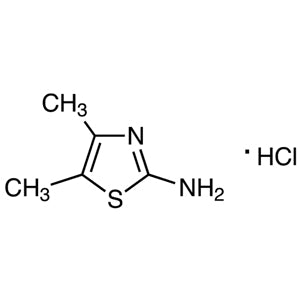
- TCI A0292 71574-33-9 2-Amino-4,5-dimethylthiazole Hydrochloride
- TCI A0336 6142-15-0 2-Amino-4-methylthiazole Hydrochloride
- TCI B1940 4209-18-1 3-Benzyl-4-methylthiazolium Chloride
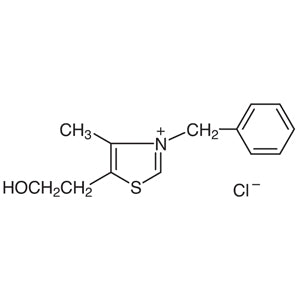
- TCI B1224 4568-71-2 3-Benzyl-5-(2-hydroxyethyl)-4-methylthiazolium Chloride
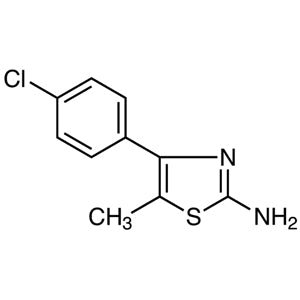
- TCI A3066 82632-77-7 2-Amino-4-(4-chlorophenyl)-5-methylthiazole
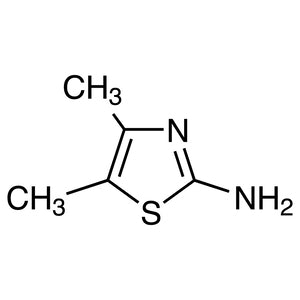
- TCI A2916 2289-75-0 4,5-Dimethylthiazol-2-amine
- Heterocyclic building block synthesis: the intact thiazole ring provides a ready-made nitrogen and sulfur heterocycle, sparing researchers the effort of constructing the ring system from simpler precursors before elaborating it further.
- Preparation of biologically relevant intermediates: the compound serves as a starting point toward molecules of biological interest, since the thiazole motif is the structural core of thiamine and appears throughout bioactive heterocyclic chemistry.
- Aroma and flavor chemistry studies: thiazoles are recognized for contributing distinctive aroma character, so this defined compound can act as a reference material when investigating sulfur-containing heterocyclic aroma components.
- Hydroxyl group functionalization chemistry: the primary hydroxyl can be esterified, etherified, converted to a tosylate or halide leaving group, or oxidized, making it a useful substrate for teaching and developing these transformations.
- Thiazolium salt and NHC catalyst research: the weakly basic ring nitrogen can be quaternized to give thiazolium salts, the compound class widely studied as N-heterocyclic carbene catalysts in organocatalysis research.
| Brand | TCI (Tokyo Chemical Industry) |
|---|---|
| CAS number | 137-00-8 |
| Molecular formula | — |
| Purity | — |
| Category | Chemistry > Building Blocks > Heterocyclic Building Blocks |
| Pack sizes | available in standard TCI catalog pack sizes; please confirm the packaging option when ordering |
| Physical form | — |
| Storage | store according to the manufacturer's recommendation stated on the product label and Safety Data Sheet |
- Chemical name: 5-(2-Hydroxyethyl)-4-methylthiazole
- Catalog number: H0527
Store this compound in its original tightly closed container, kept in a cool, dry, and well-ventilated area away from direct sunlight, heat sources, and incompatible materials. Follow the specific storage temperature and any inert atmosphere requirements indicated by the manufacturer on the product label and Safety Data Sheet. Handle the material inside a fume hood, wearing safety goggles, chemical-resistant gloves, and a laboratory coat, and avoid inhalation of vapors or contact with skin and eyes. Use clean, dry glassware and appropriate compatible containers when transferring or weighing the material, and reseal the container promptly after use to limit moisture uptake and evaporation. Dispose of residues and contaminated materials as chemical waste in accordance with institutional and local regulations, and always consult the Safety Data Sheet before first use.
—
Produk Terkait
-
2-Amino-4,5-dimethylthiazoleHydrochloride TCI A0292
Regular price From Rp 505.050,00Regular price -
2-Amino-4-methylthiazoleHydrochloride TCI A0336
Regular price From Rp 1.326.150,00Regular price -
3-Benzyl-4-methylthiazoliumChloride TCI B1940
Regular price Rp 2.995.650,00Regular price -
3-Benzyl-5-(2-hydroxyethyl)-4-methylthiazoliumChloride TCI B1224
Regular price Rp 2.227.050,00Regular price -
2-Amino-4-(4-chlorophenyl)-5-methylthiazole TCI A3066
Regular price From Rp 1.035.300,00Regular price -
4,5-Dimethylthiazol-2-amine TCI A2916
Regular price From Rp 1.220.100,00Regular price -
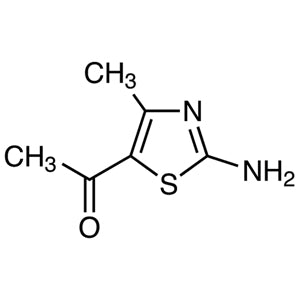
5-Acetyl-2-amino-4-methylthiazole TCI A2887
Regular price From Rp 769.650,00Regular price -
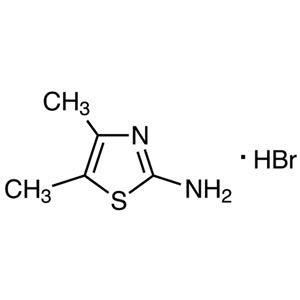
2-Amino-4,5-dimethylthiazoleHydrobromide TCI A2062
Regular price From Rp 1.273.650,00Regular price