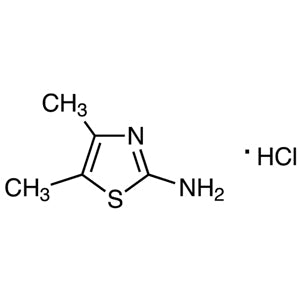
2-Amino-4,5-dimethylthiazole Hydrobromide is a chemical compound widely used in laboratory settings for its versatility in organic synthesis. This compound plays a crucial role in the development of heterocyclic structures, which are fundamental in pharmaceutical and medicinal chemistry. Its unique molecular structure enables it to participate in various chemical reactions, making it an essential building block for researchers aiming to create compounds with specific biological activities. Due to its reactivity and compatibility with different synthetic pathways, it is highly valued in both academic and industrial research environments.
The compound's chemical stability under controlled conditions makes it a preferred choice for synthetic chemists. Its hydrobromide form enhances solubility in aqueous solutions, facilitating easier handling and integration into reaction mixtures. Additionally, the presence of the thiazole ring provides a stable platform for further functionalization, allowing for the creation of more complex molecules. These properties make it a reliable reagent for laboratories focused on drug discovery and the development of new therapeutic agents.
In Indonesian laboratories, 2-Amino-4,5-dimethylthiazole Hydrobromide is commonly used in research related to organic chemistry and pharmacology. It is a key component in the synthesis of various bioactive compounds, supporting studies aimed at developing new drugs and treatments. Its availability and chemical properties make it a go-to material for researchers working on projects involving heterocyclic chemistry and medicinal applications.
Related TCI products
- Organic synthesis of heterocyclic compounds due to its thiazole ring structure and reactivity.
- Pharmaceutical research for the development of bioactive molecules with therapeutic potential.
- Drug discovery projects requiring stable and functionalizable chemical building blocks.
- Academic studies in medicinal chemistry and pharmacological applications.
- Cosmetic and pharmaceutical industry applications for the formulation of new chemical compounds.
| Brand | TCI |
|---|---|
| CAS number | 7170-76-5 |
| Molecular formula | — |
| Purity | — |
| Category | Chemistry > Building Blocks > Heterocyclic Building Blocks |
| Pack sizes | Available in various quantities as per standard laboratory requirements |
| Physical form | Solid powder |
| Storage | Store in a cool, dry place away from moisture and direct sunlight |
This compound should be stored in a cool, dry environment to maintain its chemical stability. It is recommended to keep it in a sealed container to prevent exposure to moisture and air, which could affect its reactivity. Due to its hydrobromide form, it is advisable to use appropriate glass or plastic containers that are resistant to chemical degradation. In laboratory settings, it should be handled with standard chemical safety precautions, including the use of gloves and proper ventilation. Avoid direct contact with skin and eyes, and ensure that it is stored away from incompatible substances to maintain safety and efficacy in research applications.
—
Produk Terkait
-
2-Amino-4,5-dimethylthiazoleHydrochloride TCI A0292
Regular price From Rp 557.550,00Regular priceRp 405.300,00Sale price From Rp 557.550,00 -
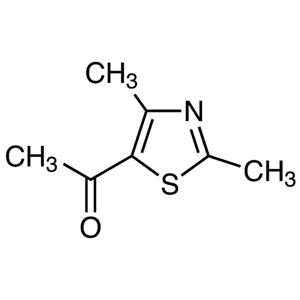
5-Acetyl-2,4-dimethylthiazole TCI A1215
Regular price From Rp 1.298.850,00Regular priceRp 924.000,00Sale price From Rp 1.298.850,00 -
2-Ethyl-4,5-dimethylthiazole TCI E0718
Regular price From Rp 1.538.250,00Regular priceRp 1.090.950,00Sale price From Rp 1.538.250,00 -
2,4-Dimethylthiazole-5-carboxylicAcid TCI D4813
Regular price From Rp 2.147.250,00Regular priceRp 1.517.250,00Sale price From Rp 2.147.250,00 -
4,5-Dimethylthiazole TCI D2142
Regular price From Rp 822.150,00Regular priceRp 590.100,00Sale price From Rp 822.150,00 -
2,4-Dimethylthiazole TCI D1220
Regular price From Rp 557.550,00Regular priceRp 405.300,00Sale price From Rp 557.550,00 -
2-Amino-4-methylthiazoleHydrochloride TCI A0336
Regular price From Rp 1.378.650,00Regular priceRp 979.650,00Sale price From Rp 1.378.650,00 -
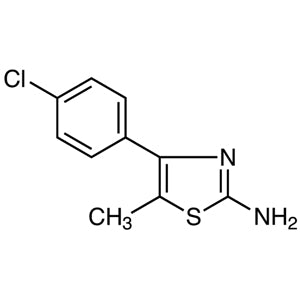
2-Amino-4-(4-chlorophenyl)-5-methylthiazole TCI A3066
Regular price From Rp 1.087.800,00Regular priceRp 775.950,00Sale price From Rp 1.087.800,00