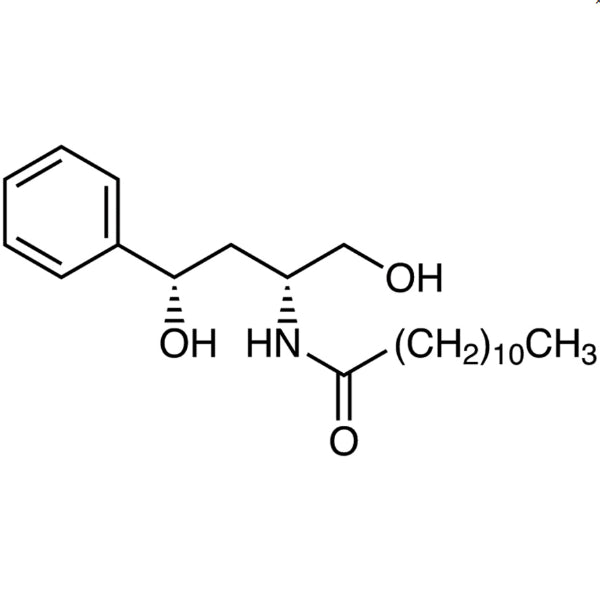

TCI H1553 383418-30-2 HPA-12 is a chemical compound widely utilized in pharmaceutical research and biochemical experiments. This reagent plays a crucial role in evaluating the biological activity of various compounds, enabling scientists to study their effects on cells and organisms. Its application spans across multiple research areas, including pharmacology and biochemistry, where it supports the investigation of molecular interactions and therapeutic potential. As a key component in experimental workflows, it contributes to the development of new drugs and the understanding of disease mechanisms.
The compound is known for its high reactivity and excellent purity, making it a preferred choice for scientific research that demands accuracy and precision. These properties ensure reliable results in analytical procedures, supporting reproducibility in laboratory settings. Its stability under appropriate storage conditions further enhances its usability, allowing researchers to maintain consistent performance over time. The availability in small quantities, such as 5mg, makes it suitable for both small-scale and medium-scale experiments, providing flexibility in research design.
In Indonesian laboratories, TCI H1553 383418-30-2 HPA-12 is commonly used in pharmacological and biochemical research. It supports studies related to drug development, bioavailability testing, and mechanism of action analysis. Researchers in both academic and industrial sectors rely on this reagent to conduct experiments that contribute to scientific knowledge and innovation. Its versatility and reliability make it an essential tool in the pursuit of medical and pharmaceutical advancements.
Advantages (TCI brochure)
- Inhibits hepatitis C virus (HCV) replication and the growth of the obligate intracellular bacteria Chlamydiae
- Induces the resensitization of cancer cells to chemotherapeutic agents
TCI brochures (PDF)
- Ceramide Transport Protein (CERT) Inhibitor HPA-12 2025-04-22 · p. 1
- Antimicrobials and Antitumor Agents for Research and Experimental Use 2025-04-24 · p. 16
- Pharmaceutical Ingredients for Research and Experimental Use 2026-03-09 · p. 16
- Pharmaceutical Research: This reagent is ideal for testing the biological activity of compounds, aiding in the discovery of new therapeutic agents.
- Biochemical Analysis: It supports experiments that require precise evaluation of molecular interactions and biochemical pathways.
- Drug Development: Its use in assessing compound effects on biological systems helps in the formulation and optimization of pharmaceutical products.
- Toxicology Studies: It assists in determining the safety and potential toxicity of compounds in experimental models.
- Academic Research: It is widely used in educational and research institutions for teaching and experimental studies in pharmacology and biochemistry.
From the TCI brochure
- Anti-infective research (HCV, Chlamydiae)
- Anticancer chemotherapy research
- CERT inhibition in biological science studies
| Brand | TCI |
|---|---|
| CAS number | 383418-30-2 |
| Molecular formula | — |
| Purity | — |
| Category | Life Science > Biochemicals and Reagents > Pharmaceutical Research Reagents |
| Pack sizes | 5mg |
| Physical form | — |
| Storage | Store in a cool, dry place away from light |
This reagent should be stored in a cool, dry environment, away from direct sunlight and sources of heat. It is recommended to use airtight containers to prevent contamination and maintain its chemical integrity. While the physical form is not specified, it is advisable to handle it with care to avoid exposure to moisture or incompatible substances. In laboratory settings, proper personal protective equipment (PPE) should be worn when handling this material. Regular monitoring of storage conditions ensures the reagent remains stable and suitable for use in experiments. Always follow standard safety protocols to ensure safe handling and storage practices.
—
Product Categories
Produk Terkait
-
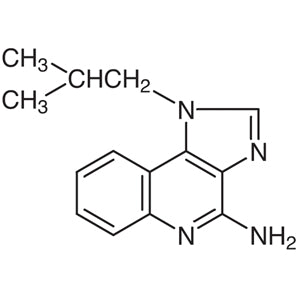
Imiquimod TCI I0747
Regular price Rp 2.094.750,00Regular price -
Aminopterin TCI A0410
Regular price From Rp 1.829.100,00Regular price -
Imatinib TCI I0906
Regular price From Rp 1.326.150,00Regular price -
Zebularine TCI Z0022
Regular price From Rp 2.969.400,00Regular price -
Wortmannin TCI W0007
Regular price Rp 11.580.450,00Regular price -
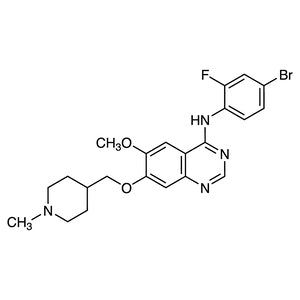
Vandetanib TCI V0199
Regular price From Rp 2.121.000,00Regular price -
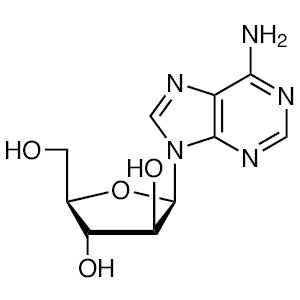
Vidarabine TCI V0175
Regular price Rp 1.803.900,00Regular price -
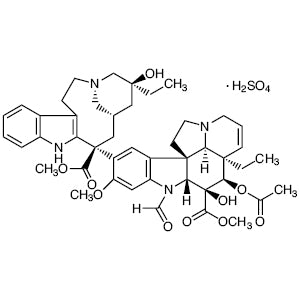
VincristineSulfate TCI V0129
Regular price Rp 4.584.300,00Regular price