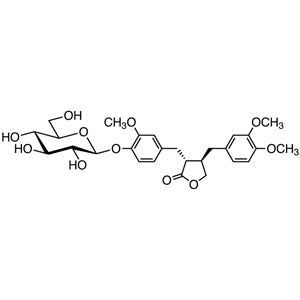
![7452-03-1 4,4'-[Hexahydrofuro[3,4-c]furan-1,4-diyl]bis(2-methoxyphenol) - AMI Scientific](http://amiscientific.com/cdn/shop/files/TCI2510H1692.jpg?v=1769056440&width=1946)
![7452-03-1 4,4'-[Hexahydrofuro[3,4-c]furan-1,4-diyl]bis(2-methoxyphenol) - AMI Scientific](http://amiscientific.com/cdn/shop/files/TCI2510H1692.jpg?v=1769056440&width=1445)
TCI H1692, with the CAS number 7452-03-1, is a chemical compound classified under phenylpropanoids and aromatic polyketides. This compound plays a crucial role in biochemical and pharmacological research, particularly in the study of its biological activities such as antioxidant, anti-inflammatory, and antitumor effects. It is widely used in laboratories for the synthesis of complex molecules and for testing biological activity against cells and organisms. Its molecular structure consists of two phenol units connected by a hydrocarbon chain, making it a versatile reagent in various experimental setups.
The compound is valued for its stable chemical and physical properties, which allow it to maintain its integrity under a range of experimental conditions. Its strong antioxidant properties make it a preferred choice for studies involving cellular damage mechanisms and the role of phenolic compounds in human health. Additionally, its solubility and reactivity contribute to its effectiveness in both analytical and synthetic applications, ensuring reliable results in research settings.
In Indonesian laboratories, this compound is commonly found in pharmaceutical, biotechnology, and environmental research. Local researchers use it to develop new pharmaceutical products, investigate the effects of natural compounds on health, and assess its potential in industrial applications. Its presence in these fields highlights its importance in advancing scientific knowledge and practical applications in the region.
TCI brochures (PDF)
- Phytochemicals 2025-12-17 · p. 9
- Biochemical Research – This compound is ideal for studying antioxidant activity and cellular response due to its stable molecular structure and strong antioxidant properties.
- Pharmacological Testing – It is used to evaluate anti-inflammatory and antitumor effects, supporting drug discovery and development efforts.
- Environmental Analysis – Its presence in natural compounds makes it useful for assessing the impact of phenolic substances on environmental health.
- Synthetic Chemistry – The compound's reactivity and solubility make it a valuable reagent in the synthesis of complex organic molecules.
- Biotechnology Applications – It is employed in the development of bioactive compounds for pharmaceutical and agricultural purposes.
| Brand | — |
|---|---|
| CAS number | — |
| Molecular formula | — |
| Purity | — |
| Category | — |
| Pack sizes | — |
| Physical form | — |
| Storage | — |
- Brand – TCI
- CAS Number – 7452-03-1
- Category – Life Science > Biochemicals and Reagents > Phenylpropanoids, Aromatic Polyketides
- Pack Sizes – Available in various quantities as per standard laboratory supply
- Physical Form – Solid powder
- Storage Note – Store in a cool, dry place away from direct sunlight
This compound should be stored in a cool, dry environment, away from direct sunlight and sources of heat. It is recommended to use airtight containers to prevent moisture absorption and maintain its chemical stability. Due to its potential reactivity, it should be handled with appropriate personal protective equipment, such as gloves and safety goggles. Proper ventilation is essential when working with this material to minimize exposure. It is important to keep the compound away from incompatible substances to ensure safe storage and usage in the laboratory. Always follow standard laboratory safety protocols to prevent any accidental contamination or exposure.
—
Produk Terkait
-
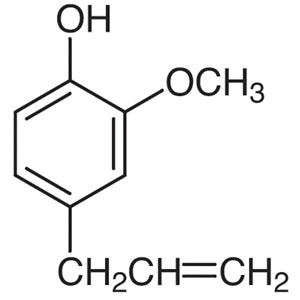
Eugenol TCI A0232
Regular price From Rp 505.050,00Regular price -
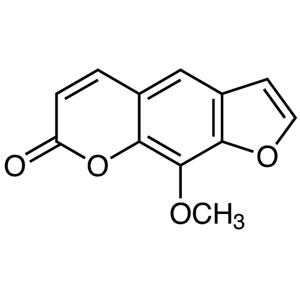
Xanthotoxin TCI X0009
Regular price From Rp 505.050,00Regular price -
Verbascoside TCI V0153
Regular price From Rp 3.180.450,00Regular price -
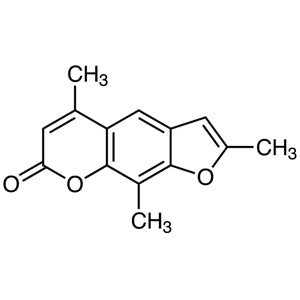
Trioxsalen TCI T2267
Regular price From Rp 2.174.550,00Regular price -
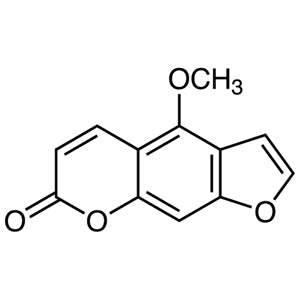
Bergapten TCI B2840
Regular price From Rp 2.650.200,00Regular price -
Arctiin TCI A3118
Regular price From Rp 1.431.150,00Regular price -
CinnamylAcetate TCI A0901
Regular price From Rp 505.050,00Regular price -
alpha-Amylcinnamaldehyde(mixtureofisomers) TCI A0851
Regular price From Rp 637.350,00Regular price