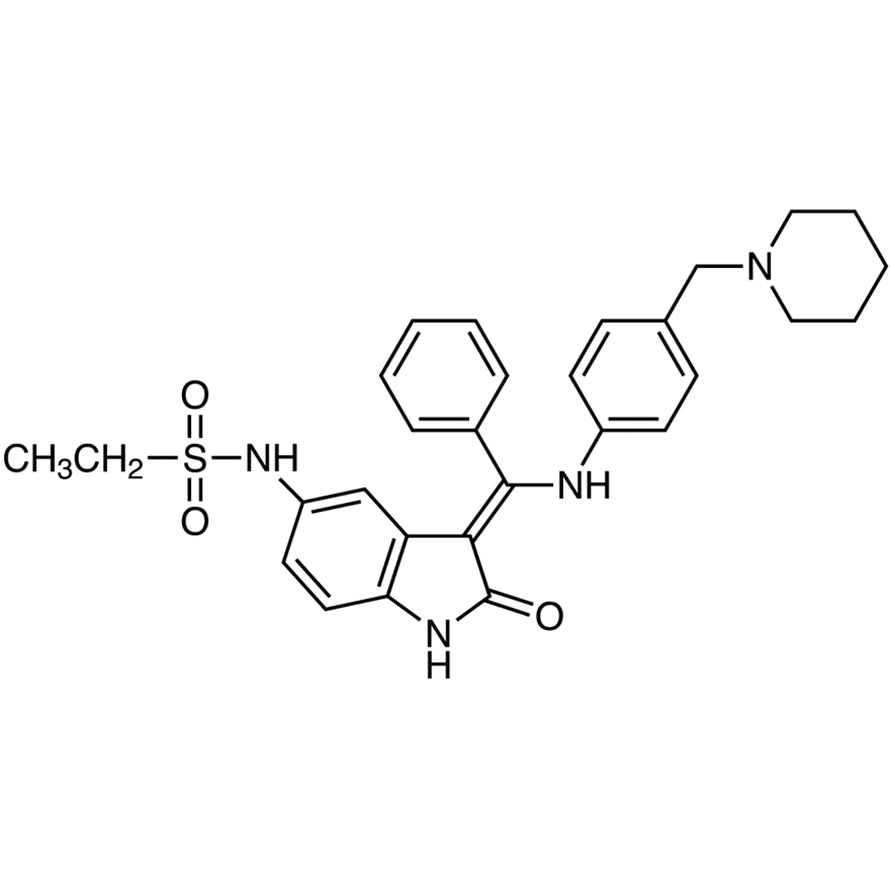
Hesperadin is a chemical compound widely used in scientific research, particularly in the fields of cell biology and neuroscience. It functions as a modulator of cellular signaling pathways, influencing how cells respond to external stimuli. In laboratory settings, Hesperadin plays a crucial role in investigating the activation mechanisms of protein kinases and their impact on cellular physiological processes. Its ability to selectively interact with cellular receptors makes it a valuable tool for studying complex biological systems.
One of the key properties that make Hesperadin a preferred choice is its molecular stability and selective binding capability. These characteristics allow researchers to precisely control signaling pathways without disrupting other biological processes. Additionally, Hesperadin exhibits good solubility in organic solvents, which simplifies the preparation of experimental solutions. This solubility and selectivity contribute to its effectiveness in various research applications.
In Indonesian laboratories, Hesperadin is commonly used by researchers in higher education institutions and research organizations. Its role in studying cellular differentiation, apoptosis, and inflammatory responses makes it an essential component in many scientific investigations. The compound’s reliability and performance in experimental settings ensure its continued use in both academic and applied research contexts.
- Cellular Signaling Research: Hesperadin is ideal for studying the activation and regulation of protein kinases, offering precise control over signaling pathways.
- Apoptosis Studies: Its ability to modulate cellular responses makes it suitable for investigating programmed cell death mechanisms.
- Neurological Research: Hesperadin supports studies on neural signaling and the impact of signaling pathways on brain function.
- Inflammatory Response Analysis: It is used to explore how cells respond to inflammatory stimuli and the associated signaling cascades.
- Differentiation Studies: Its role in modulating cellular pathways makes it a key tool in research on cell differentiation processes.
| Brand | TCI |
|---|---|
| CAS number | 422513-13-1 |
| Molecular formula | — |
| Purity | — |
| Category | Life Science > Cell Biology > Cell Signaling and Neuroscience |
| Pack sizes | — |
| Physical form | — |
| Storage | Store in a cool, dry place away from light |
Hesperadin should be stored in a cool, dry place away from direct light to maintain its stability and effectiveness. It is recommended to use airtight containers to prevent moisture absorption and contamination. Due to its chemical nature, it should be handled with appropriate personal protective equipment, such as gloves and safety goggles, to ensure laboratory safety. Proper ventilation should be maintained when working with the compound to minimize exposure. Regular monitoring of storage conditions is essential to ensure the integrity of the material. All handling should follow standard laboratory safety protocols to prevent any potential hazards.
—
Produk Terkait
-
Imatinib TCI I0906
Regular price From Rp 1.326.150,00Regular price -
WHI-P180Hydrochloride TCI W0021
Regular price Rp 3.340.050,00Regular price -
WHI-P154 TCI W0013
Regular price From Rp 2.491.650,00Regular price -
Wortmannin TCI W0007
Regular price Rp 11.580.450,00Regular price -
VE-821 TCI V0206
Regular price From Rp 2.889.600,00Regular price -
Vandetanib TCI V0199
Regular price From Rp 2.121.000,00Regular price -
UK-5099 TCI U0146
Regular price Rp 4.823.700,00Regular price -
SU1498 TCI U0103
Regular price From Rp 3.578.400,00Regular price