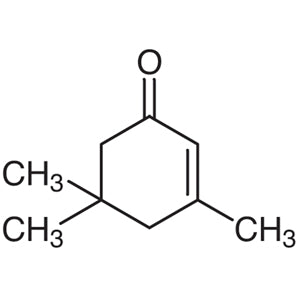
Isophorone is a chemical compound widely used in various laboratory applications, particularly in organic synthesis. It is a ketone with two methyl groups at the ends of its carbon chain, making it a versatile building block in chemical reactions. This compound is commonly used as a solvent or a reagent in reactions requiring high reactivity. Its unique molecular structure allows it to dissolve a wide range of organic compounds, making it an essential tool in synthetic chemistry. Isophorone is valued for its stability and inertness, which contribute to its reliability in laboratory settings.
The chemical properties of isophorone make it a preferred choice for many laboratory processes. It is chemically stable and resistant to degradation, ensuring consistent performance over time. Its non-reactive nature reduces the risk of unwanted side reactions, which is crucial in controlled chemical environments. Additionally, isophorone has a relatively high boiling point, facilitating efficient evaporation and separation during chemical processes. These characteristics make it an ideal candidate for use in both research and industrial applications where precision and reliability are essential.
In Indonesian laboratories, isophorone is frequently used in organic chemistry research, especially in the synthesis of complex compounds and the development of pharmaceutical products. Its availability and cost-effectiveness make it a popular choice among researchers. The compound’s ability to dissolve various organic materials and its stable chemical properties support its widespread use in both academic and industrial settings within Indonesia.
- Organic synthesis where isophorone serves as a solvent and reagent due to its solubility and stability.
- Pharmaceutical research for the development of complex compounds because of its inertness and solvency.
- Chemical separation processes where its high boiling point aids in efficient evaporation and purification.
- Analytical chemistry applications where its non-reactive nature ensures accurate and reliable results.
- Industrial chemical processes requiring a stable and versatile solvent for various organic reactions.
| Brand | TCI |
|---|---|
| CAS number | 78-59-1 |
| Molecular formula | — |
| Purity | — |
| Category | Chemistry > Building Blocks > Non-Heterocyclic Building Blocks |
| Pack sizes | Available in standard laboratory quantities |
| Physical form | Liquid |
| Storage | Store in a cool, dry place away from direct sunlight |
Isophorone should be stored in a cool, dry place, away from direct sunlight and sources of heat. It is recommended to use airtight containers made of glass or high-density polyethylene to prevent contamination and evaporation. Due to its chemical stability, it does not require refrigeration but should be kept in a well-ventilated area to minimize exposure. Laboratory personnel should handle the compound with care, using appropriate personal protective equipment such as gloves and safety goggles. While isophorone is not highly toxic, it should be handled in a fume hood to ensure safe working conditions. Proper storage and handling practices help maintain the integrity of the compound and ensure a safe laboratory environment.
—
Produk Terkait
-
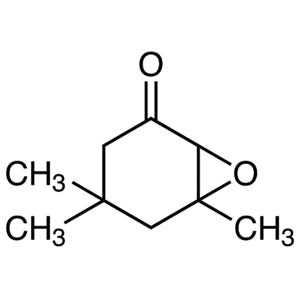
IsophoroneOxide TCI I0805
Regular price From Rp 1.378.650,00Regular price -
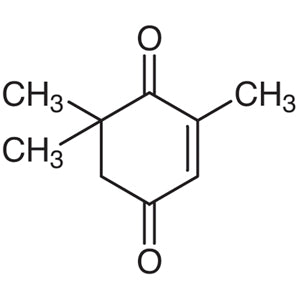
4-Ketoisophorone TCI K0034
Regular price Rp 2.306.850,00Regular price -
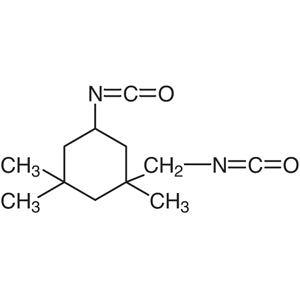
IsophoroneDiisocyanate(mixtureofisomers) TCI I0314
Regular price From Rp 530.250,00Regular price -
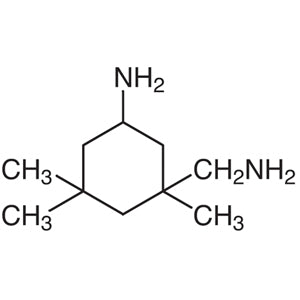
Isophoronediamine(cis-andtrans-mixture) TCI I0228
Regular price From Rp 477.750,00Regular price