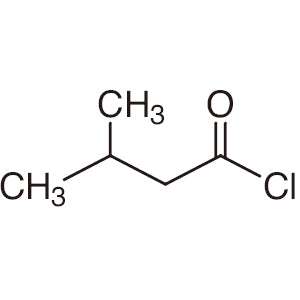
Isovaleryl Chloride (TCI I0200), with the CAS number 108-12-3, is a chemical compound widely used in organic laboratory reactions. As a fundamental building block in chemistry, it plays a crucial role in the synthesis of complex molecules, particularly in substitution reactions and ester formation. Its reactivity makes it an essential reagent for chemists seeking to create new compounds with diverse applications. This compound is commonly found in research settings where organic synthesis is a primary focus. Its versatility and chemical activity make it a valuable tool for both academic and industrial research.
One of the key reasons Isovaleryl Chloride is preferred in laboratory settings is its chemical properties. It is a polar compound that dissolves easily in organic solvents such as ethyl acetate and chloroform. This solubility allows for efficient use in various synthetic procedures. Additionally, its molecular structure is simple yet highly reactive, enabling it to participate in a wide range of chemical reactions. These characteristics make it a reliable and effective reagent for organic synthesis. The consistent physical and chemical properties of Isovaleryl Chloride ensure predictable results in experimental processes.
In Indonesian laboratories, Isovaleryl Chloride is extensively used in organic chemistry research. It is a common reagent in academic institutions and research centers where synthetic chemistry is practiced. Its role in creating new compounds with applications in pharmaceuticals, cosmetics, and materials science makes it a staple in many laboratory workflows. Due to its stability under proper conditions, it is a trusted choice for researchers in Indonesia. Its availability and reliability contribute to its widespread use in both teaching and applied research settings.
- Organic synthesis is a primary application where Isovaleryl Chloride is used to create complex molecules through substitution and esterification reactions.
- Pharmaceutical research benefits from this compound as it is used in the development of new drugs and active pharmaceutical ingredients.
- Cosmetic formulation relies on Isovaleryl Chloride for the synthesis of fragrance compounds and other specialty chemicals.
- Material science applications use this reagent to produce polymers and specialty chemicals with specific functional properties.
- Educational institutions incorporate Isovaleryl Chloride into their curriculum to teach fundamental organic chemistry concepts and reaction mechanisms.
| Brand | TCI |
|---|---|
| CAS number | 108-12-3 |
| Molecular formula | — |
| Purity | — |
| Category | Chemistry > Building Blocks > Non-Heterocyclic Building Blocks |
| Pack sizes | Available in various quantities as per standard laboratory supply options |
| Physical form | Liquid |
| Storage | Store in a cool, dry place away from moisture and direct sunlight |
Isovaleryl Chloride should be stored in a cool, dry environment to maintain its stability and prevent degradation. It is recommended to use airtight containers to protect it from moisture and air exposure. Due to its reactivity, it should be handled with care, using appropriate personal protective equipment such as gloves and goggles. It is important to ensure that the storage area is well-ventilated to minimize any potential risks associated with its chemical nature. Proper labeling of containers is essential for safe handling and to prevent accidental misuse. Following these guidelines ensures the safe and effective use of Isovaleryl Chloride in laboratory settings.
—
Produk Terkait
-
Anthraquinone-2-carbonylChloride TCI A0503
Regular price Rp 3.232.950,00Regular priceRp 2.276.400,00Sale price Rp 3.232.950,00 -
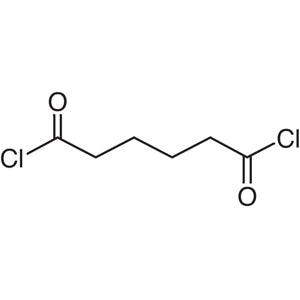
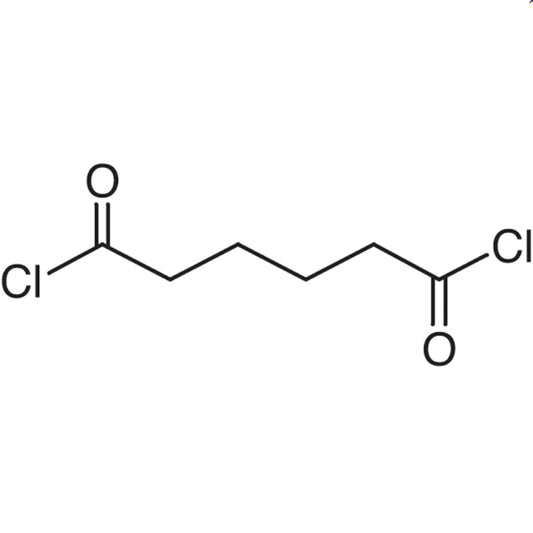
AdipoylChloride TCI A0169
Regular price Rp 1.272.600,00Regular priceRp 905.100,00Sale price Rp 1.272.600,00 -
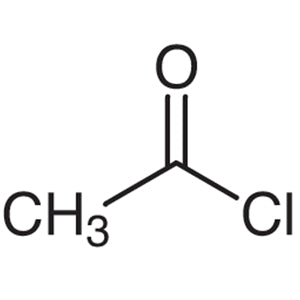
AcetylChloride TCI A0082
Regular price Rp 848.400,00Regular priceRp 609.000,00Sale price Rp 848.400,00 -
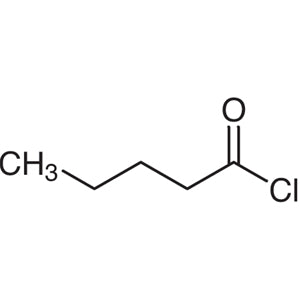
ValerylChloride TCI V0010
Regular price Rp 1.008.000,00Regular priceRp 720.300,00Sale price Rp 1.008.000,00 -
UndecanoylChloride TCI U0026
Regular price Rp 1.590.750,00Regular priceRp 1.127.700,00Sale price Rp 1.590.750,00 -
10-UndecenoylChloride TCI U0008
Regular price Rp 1.405.950,00Regular priceRp 998.550,00Sale price Rp 1.405.950,00 -
2,4,6-TrimethylbenzoylChloride TCI T2470
Regular price Rp 900.900,00Regular priceRp 645.750,00Sale price Rp 900.900,00 -
2,3,4,5-TetrachlorobenzoylChloride TCI T2379
Regular price Rp 2.597.700,00Regular priceRp 1.832.250,00Sale price Rp 2.597.700,00