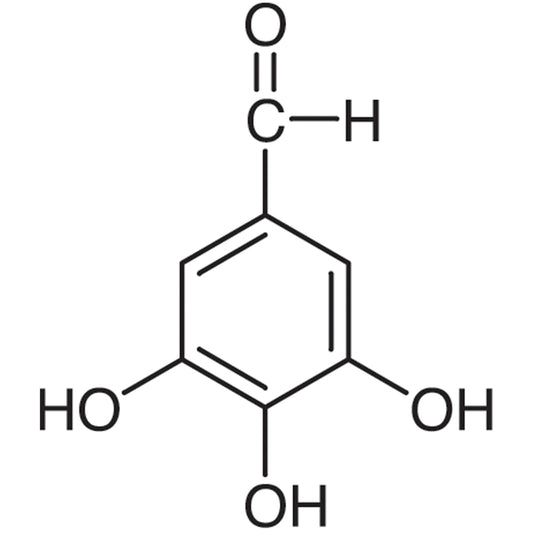
3-Indolemethanol is an organic compound widely utilized in cell biology and cancer research laboratories. This compound plays a crucial role in biochemical reactions related to cellular metabolism, particularly in studies involving cell growth and differentiation. It is a key component of indole derivatives, which are known for their diverse biological activities. In laboratory settings, 3-Indolemethanol is often used as a substrate or modulator in experiments aimed at understanding the molecular mechanisms underlying cancer progression. Its versatility makes it an essential tool for researchers exploring the complexities of cellular signaling pathways.
The chemical properties and molecular structure of 3-Indolemethanol contribute to its effectiveness in laboratory applications. The indole ring structure provides high reactivity, enabling interactions with various biological molecules such as proteins, enzymes, and DNA. This reactivity allows the compound to participate in a wide range of biochemical processes, making it valuable for synthetic chemistry and molecular interaction studies. Additionally, its ability to bind to specific functional groups enhances its utility in the development of new compounds and the investigation of molecular interactions.
In Indonesian laboratories, 3-Indolemethanol is commonly used in cancer research, cell biology, and pharmacological studies. Researchers rely on this compound to explore the mechanisms of receptor activation and signaling pathways. Its presence in these studies underscores its importance as a fundamental reagent in advancing scientific understanding in these fields.
TCI brochures (PDF)
- Antioxidants for Research and Experimental Use 2026-07-29 · p. 1
- Reagents for Biological Research 2025-03-11 · p. 41
- Cancer research utilizes 3-Indolemethanol to study the molecular mechanisms of tumor progression and cell differentiation.
- Cell biology experiments employ this compound to investigate metabolic pathways and cellular signaling processes.
- Pharmacological studies use 3-Indolemethanol to explore its potential as a modulator in drug development and therapeutic applications.
- Molecular interaction research benefits from its reactivity, allowing it to bind to proteins and DNA for structural and functional analysis.
- Synthetic chemistry applications leverage its indole structure for the creation of new compounds with potential pharmaceutical or biochemical properties.
| Brand | TCI |
|---|---|
| CAS number | 700-06-1 |
| Molecular formula | — |
| Purity | — |
| Category | Life Science > Cell Biology > Cancer Research |
| Pack sizes | Available in various quantities as per standard laboratory supply |
| Physical form | Solid or liquid depending on the specific product variant |
| Storage | Store in a cool, dry place away from direct sunlight |
3-Indolemethanol should be stored in a cool, dry place, away from direct sunlight and sources of heat. It is recommended to keep the compound in a tightly sealed container to prevent exposure to moisture and air. For optimal stability, it should be stored in a well-ventilated area, away from incompatible substances such as strong oxidizing agents. Laboratory personnel should handle the compound with care, using appropriate personal protective equipment when necessary. Proper storage ensures the compound remains chemically stable and suitable for use in experimental procedures.
—
Produk Terkait
-
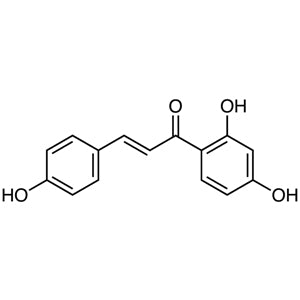
Isoliquiritigenin TCI I0822
Regular price Rp 1.087.800,00Regular priceRp 775.950,00Sale price Rp 1.087.800,00 -
Idebenone TCI I0848
Regular price Rp 2.862.300,00Regular priceRp 2.017.050,00Sale price Rp 2.862.300,00 -
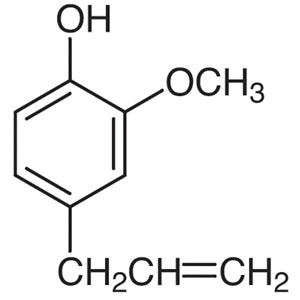
Eugenol TCI A0232
Regular price Rp 557.550,00Regular priceRp 405.300,00Sale price Rp 557.550,00 -
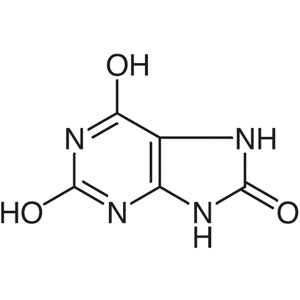
UricAcid TCI U0018
Regular price Rp 1.060.500,00Regular priceRp 757.050,00Sale price Rp 1.060.500,00 -
Tetrahydrocurcumin TCI T3587
Regular price Rp 2.439.150,00Regular priceRp 1.720.950,00Sale price Rp 2.439.150,00 -
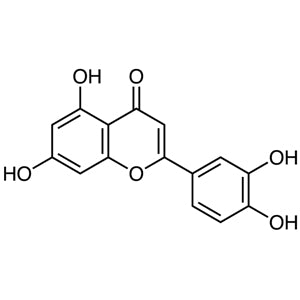
3',4',5,7-Tetrahydroxyflavone TCI T2682
Regular price Rp 1.618.050,00Regular priceRp 1.146.600,00Sale price Rp 1.618.050,00 -
3,4,5-Trihydroxybenzaldehyde TCI T2650
Regular price Rp 4.133.850,00Regular priceRp 2.890.650,00Sale price Rp 4.133.850,00 -
Bendazac TCI B4223
Regular price Rp 1.378.650,00Regular priceRp 979.650,00Sale price Rp 1.378.650,00