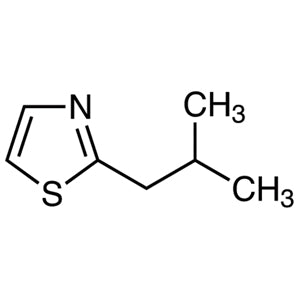
2-Isobutylthiazole is a five-membered heterocyclic compound containing both sulfur and nitrogen atoms within a single aromatic ring, with an isobutyl chain attached at the second position. The thiazole ring is an important structural motif found in vitamin B1 as well as in a range of pharmaceutical ingredients and bioactive compounds. Beyond its role as a heterocyclic building block, this compound is also widely known as a distinctive aroma compound that occurs naturally in tomato fruit, where it contributes to the green, fresh character of the fruit's odour profile.
The properties that make this compound a preferred choice cover two aspects at once. From a synthetic standpoint, the thiazole ring is aromatic and stable, with a nitrogen atom capable of accepting a proton or coordinating metal ions, and with specific ring positions that can be further modified through directed deprotonation or substitution. The isobutyl chain contributes lipophilic character that influences the solubility and membrane permeability of derivative molecules. From an analytical standpoint, its very strong aroma at low concentrations makes it an important marker compound in food flavour and aroma research using gas chromatography coupled with olfactometry.
In Indonesia, this compound is relevant to laboratories working across both synthetic and analytical lines of work. It supports organic synthesis groups constructing heterocyclic scaffolds for medicinal chemistry studies, and it serves flavour and aroma research groups examining the volatile profile of agricultural produce. Academic laboratories, research institutes, and food industry laboratories alike make use of it where a well-defined thiazole reference material is required for either preparative or comparative analytical purposes.
Related TCI products
- TCI A0336 6142-15-0 2-Amino-4-methylthiazole Hydrochloride
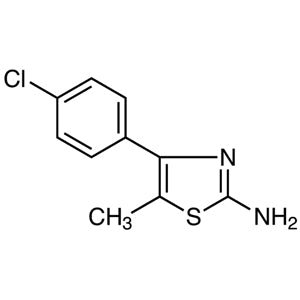
- TCI A3066 82632-77-7 2-Amino-4-(4-chlorophenyl)-5-methylthiazole
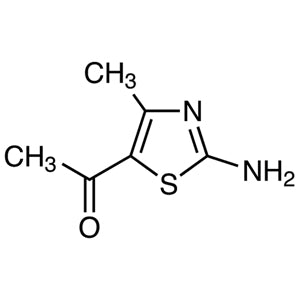
- TCI A2887 30748-47-1 5-Acetyl-2-amino-4-methylthiazole
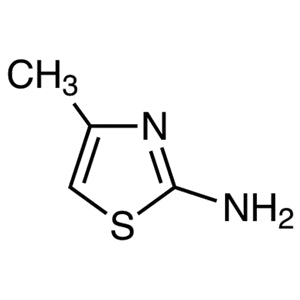
- TCI A1303 1603-91-4 2-Amino-4-methylthiazole
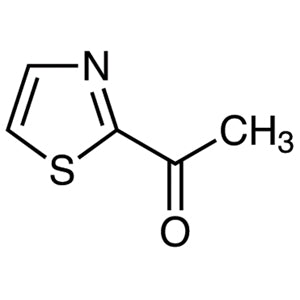
- TCI A1265 24295-03-2 2-Acetylthiazole
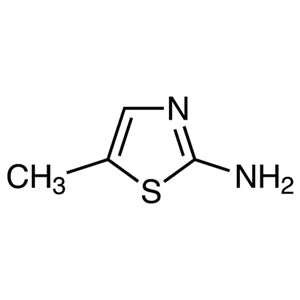
- TCI A1250 7305-71-7 2-Amino-5-methylthiazole
- Heterocyclic scaffold synthesis — the aromatic, stable thiazole ring provides a reliable core for constructing more elaborate heterocyclic targets in medicinal chemistry research programmes.
- Flavour and aroma profiling by GC-olfactometry — its very strong odour at low concentrations makes it a key marker compound when characterising volatile fractions of food samples.
- Tomato volatile research — as a compound occurring naturally in tomato fruit, it serves as a reference standard for studies on the green, fresh aroma character of produce.
- Directed functionalisation studies — specific ring positions can be modified through directed deprotonation or substitution, supporting methodology work on regioselective thiazole chemistry.
- Structure-property investigations — the lipophilic isobutyl chain lets researchers study how side-chain character affects solubility and membrane permeability in derivative molecules.
| Brand | TCI |
|---|---|
| CAS number | 18640-74-9 |
| Molecular formula | — |
| Purity | — |
| Category | Chemistry > Building Blocks > Heterocyclic Building Blocks |
| Pack sizes | available in the pack sizes listed on this product page |
| Physical form | — |
| Storage | — |
- Catalogue number: I0652
- Chemical name: 2-Isobutylthiazole
Store the container tightly closed in a cool, dry, well-ventilated place away from direct sunlight, heat sources, and incompatible materials, following the storage conditions stated on the manufacturer's label and safety data sheet. Keep the material in its original supplier container, or in a chemically compatible sealed container clearly labelled with the compound name and CAS number. Because this compound has a pronounced odour that is perceptible at low concentrations, handle and dispense it inside a fume hood. Wear safety glasses, gloves, and a laboratory coat, avoid contact with skin and eyes, and close the container promptly after use to limit vapour release. Review the safety data sheet before first use and dispose of residues in accordance with applicable laboratory waste procedures.
—
Produk Terkait
-
2-Amino-4-methylthiazoleHydrochloride TCI A0336
Regular price From Rp 1.326.150,00Regular price -
2-Amino-4-(4-chlorophenyl)-5-methylthiazole TCI A3066
Regular price From Rp 1.035.300,00Regular price -
5-Acetyl-2-amino-4-methylthiazole TCI A2887
Regular price From Rp 769.650,00Regular price -
2-Amino-4-methylthiazole TCI A1303
Regular price Rp 1.829.100,00Regular price -
2-Acetylthiazole TCI A1265
Regular price From Rp 1.326.150,00Regular price -
2-Amino-5-methylthiazole TCI A1250
Regular price Rp 1.193.850,00Regular price -
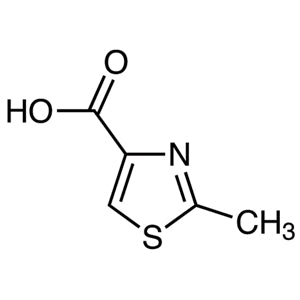
2-Methylthiazole-4-carboxylicAcid TCI M2802
Regular price From Rp 689.850,00Regular price -
2-Methylthiazole-5-carboxylicAcid TCI M2626
Regular price From Rp 2.121.000,00Regular price