Indazole-3-carboxylic Acid is a chemical compound widely used as a building block in the synthesis of heterocyclic compounds. This material plays a crucial role in organic chemistry laboratories, where it serves as a foundational component for creating complex molecular structures. Its unique chemical structure makes it an essential tool for researchers aiming to develop new compounds with potential applications in pharmaceuticals, materials science, and other advanced chemical fields. Due to its versatility, it is frequently used in synthetic pathways that require precise molecular manipulation and functional group modification.
The compound is valued for its chemical stability under controlled conditions and its reactivity with various reagents. Its ability to undergo substitution reactions and form new chemical entities makes it highly suitable for synthetic chemistry applications. The presence of multiple functional groups allows it to interact with a wide range of chemical moieties, enhancing its utility in the development of novel compounds. This reactivity, combined with its structural versatility, makes it a preferred choice for researchers working on complex molecular designs.
In Indonesian laboratories, Indazole-3-carboxylic Acid is commonly used in research projects focused on organic chemistry and pharmaceutical development. It is a key reagent in the synthesis of bioactive molecules and is utilized by academic institutions and research centers to explore new chemical structures with potential therapeutic applications. Its role in advancing scientific research in Indonesia underscores its importance in the chemical sciences.
- Organic synthesis projects benefit from Indazole-3-carboxylic Acid due to its ability to participate in substitution reactions and form complex molecular frameworks.
- Pharmaceutical research utilizes this compound as a starting material for the development of new drug candidates with diverse biological activities.
- Material science applications leverage its structural versatility to create advanced polymers and functional materials with unique properties.
- Academic research in chemistry relies on this compound for exploring novel synthetic pathways and molecular transformations.
- Drug discovery initiatives use Indazole-3-carboxylic Acid as a building block to design compounds with potential therapeutic applications.
| Brand | TCI |
|---|---|
| CAS number | 4498-67-3 |
| Molecular formula | — |
| Purity | — |
| Category | Chemistry > Building Blocks > Heterocyclic Building Blocks |
| Pack sizes | Available in various quantities as per supplier specifications |
| Physical form | Solid, typically in crystalline or powder form |
| Storage | Requires protection from moisture and air exposure |
Indazole-3-carboxylic Acid should be stored in a cool, dry place away from moisture and direct exposure to air. It is recommended to use airtight containers to prevent degradation due to humidity. The compound is sensitive to environmental factors, so maintaining a controlled storage environment is essential. Suitable storage conditions include a temperature range of 15–25°C with low humidity levels. Laboratory personnel should handle the material with care, using appropriate personal protective equipment to ensure safety during handling and experimentation. Proper storage and handling practices help preserve the compound's chemical integrity and ensure its effectiveness in research applications.
—
Produk Terkait
-
MethylIndazole-6-carboxylate TCI M2823
Regular price From Rp 769.650,00Regular price -
Indazole TCI I0278
Regular price From Rp 1.035.300,00Regular price -
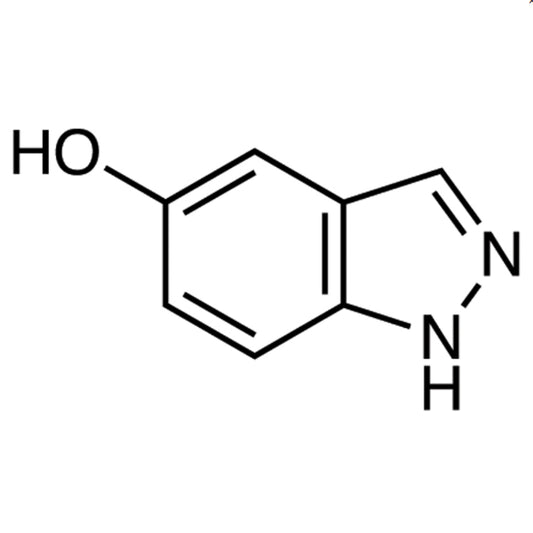
5-Hydroxy-1H-indazole TCI H1636
Regular price From Rp 1.298.850,00Regular price -
EthylIndazole-5-carboxylate TCI E1067
Regular price From Rp 1.961.400,00Regular price -
Xanthene-9-carboxylicAcid TCI X0031
Regular price From Rp 1.008.000,00Regular price -
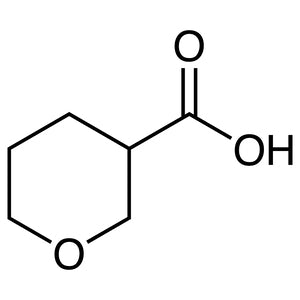
Tetrahydro-2H-pyran-3-carboxylicAcid TCI T4166
Regular price From Rp 1.405.950,00Regular price -
Tetrahydro-2H-pyran-2-carboxylicAcid TCI T4112
Regular price From Rp 1.565.550,00Regular price -
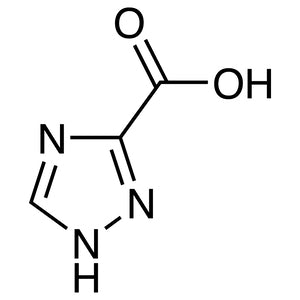
1H-1,2,4-Triazole-3-carboxylicAcid TCI T3824
Regular price From Rp 2.942.100,00Regular price