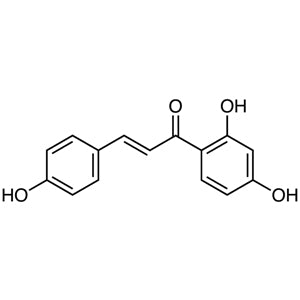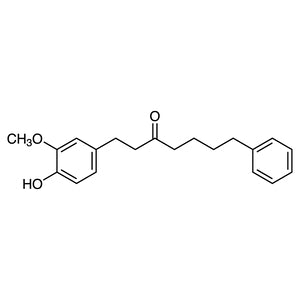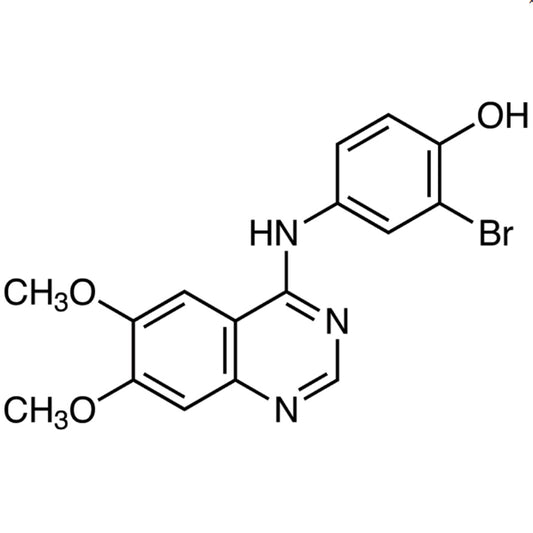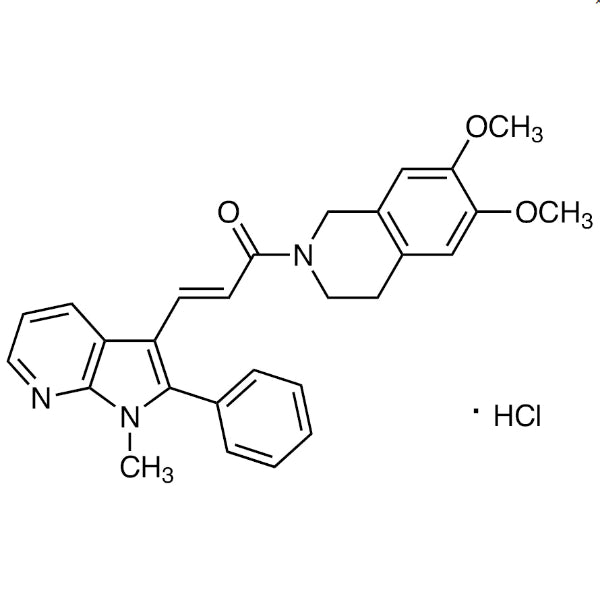
TCI I1110 521984-48-5 SIS 3 Hydrochloride is a chemical compound widely used in laboratory settings for research in cell biology and cancer studies. This compound serves as a key reagent in various biochemical experiments and is essential for the development of cancer therapies. Its role in the laboratory extends beyond mere reactivity; it is often employed as a building block in the synthesis of other compounds, making it indispensable for researchers working in pharmaceutical and biotechnology fields. Its presence in research protocols underscores its importance in advancing scientific understanding of cellular processes and disease mechanisms.
The compound is valued for its chemical stability and solubility in organic solvents, which are critical factors in its widespread use. These properties allow it to be reliably incorporated into complex chemical reactions without degrading or losing its functional integrity. Its compatibility with a range of experimental conditions ensures that it remains a preferred choice for scientists seeking consistency and reproducibility in their work. Additionally, its relatively safe handling profile makes it suitable for routine use in laboratory environments, reducing the risk of complications during experimentation.
In Indonesian laboratories, TCI I1110 521984-48-5 SIS 3 Hydrochloride is commonly utilized in research focused on cancer biology and cell signaling. Researchers from academic institutions and research centers rely on this compound for experiments that require active ingredients with specific chemical properties. Its application spans from drug development to molecular interaction studies, supporting a wide array of scientific inquiries in the life sciences sector.
TCI brochures (PDF)
- Organoid Research Reagents 2025-09-11 · p. 7
- Cancer research for testing the effectiveness of chemotherapy drugs due to its role in molecular interaction studies.
- Synthesis of chemical compounds in pharmacology to develop new therapeutic agents with targeted biological effects.
- Biochemical experiments to study molecular interactions and cellular responses in controlled environments.
- Drug development processes requiring active compounds for in vitro and in vivo testing procedures.
- Molecular biology research to investigate the mechanisms of disease progression and treatment responses.
| Brand | TCI |
|---|---|
| CAS number | 521984-48-5 |
| Molecular formula | — |
| Purity | — |
| Category | Life Science > Cell Biology > Cancer Research |
| Pack sizes | — |
| Physical form | — |
| Storage | Store in a cool, dry place away from direct sunlight |
This compound should be stored in a cool, dry place, away from direct sunlight and sources of heat. It is recommended to use airtight containers to prevent moisture absorption and contamination. Due to its chemical stability, it does not require refrigeration under normal laboratory conditions. However, it is important to ensure that the storage area is well-ventilated to minimize exposure to vapors. Researchers should wear appropriate personal protective equipment, such as gloves and safety goggles, when handling the compound to ensure safe laboratory practices. Proper labeling of containers is essential to prevent accidental misuse or exposure.
—
Product Categories
Produk Terkait
-
Aminopterin TCI A0410
Regular price From Rp 1.829.100,00Regular price -
Isoliquiritigenin TCI I0822
Regular price From Rp 1.035.300,00Regular price -
Imatinib TCI I0906
Regular price From Rp 1.326.150,00Regular price -
Zerumbone TCI Z0060
Regular price Rp 8.322.300,00Regular price -
YM-750 TCI Y0032
Regular price Rp 3.630.900,00Regular price -
YakuchinoneA TCI Y0022
Regular price Rp 7.473.900,00Regular price -
WHI-P180Hydrochloride TCI W0021
Regular price Rp 3.340.050,00Regular price -
WHI-P154 TCI W0013
Regular price From Rp 2.491.650,00Regular price