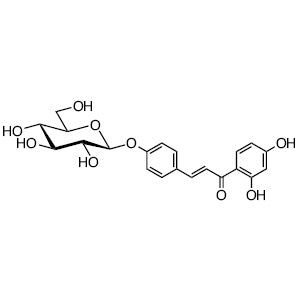
Isoliquiritin is a naturally occurring compound derived from the licorice plant (*Glycyrrhiza glabra*), widely used in life science research. It plays a crucial role in biochemical studies, particularly in the exploration of pharmacological effects and biological mechanisms of natural compounds. As a key ingredient in crude medicine research, it supports the development of pharmaceuticals and natural therapeutic agents. Its presence in experimental settings helps scientists understand its potential applications in medicine and biotechnology.
Isoliquiritin is valued for its unique chemical structure and stable physical properties, making it a reliable material for various laboratory experiments. Its ability to interact with multiple biological pathways enhances its relevance in studying anti-inflammatory, antiviral, and anticancer effects. The compound’s high purity and consistent characteristics ensure accurate and reproducible results in research settings. These qualities make it a preferred choice for scientists seeking reliable and effective research materials.
In Indonesian laboratories, isoliquiritin is commonly used in pharmacology, medicinal chemistry, and biotechnology research. It is a key component in studies aimed at developing new drugs and understanding the mechanisms of natural compounds. Its application in local research institutions highlights its importance in advancing scientific knowledge and innovation in the field of natural medicine.
- Pharmacological research utilizes isoliquiritin to investigate its anti-inflammatory and antiviral properties, aiding in the development of new therapeutic agents.
- Medicinal chemistry studies benefit from isoliquiritin’s stable chemical structure, allowing for accurate synthesis and analysis of bioactive compounds.
- Biotechnology applications employ isoliquiritin to explore its potential in drug discovery and natural product research, supporting innovation in therapeutic development.
- Natural product research relies on isoliquiritin to study its bioactive mechanisms, contributing to the understanding of plant-derived compounds.
- Toxicology studies use isoliquiritin to assess its safety and efficacy, ensuring the development of safe and effective pharmaceutical products.
| Brand | TCI |
|---|---|
| CAS number | 5041-81-6 |
| Molecular formula | — |
| Purity | — |
| Category | Life Science > Biochemicals and Reagents > Crude Medicine Ingredients for Research and Experimental Use |
| Pack sizes | Available in standard research quantities |
| Physical form | Solid powder |
| Storage | Store in a cool, dry place away from light |
Isoliquiritin should be stored in a cool, dry environment, away from direct light and moisture to maintain its stability and purity. It is recommended to use airtight containers to prevent contamination and degradation. Laboratory personnel should handle the compound with care, using appropriate personal protective equipment such as gloves and safety goggles. Due to its chemical nature, it is important to ensure proper ventilation when working with isoliquiritin to avoid inhalation of airborne particles. The compound should not be exposed to heat or open flames, as it may react under extreme conditions. Regular monitoring of storage conditions is essential to ensure the integrity of the material for reliable experimental results.
—
Produk Terkait
-
TCI B5774 5,10-Bis(4,4,5,5-tetramethyl-1,3,2-dioxaborolan-2-yl)naphtho[1,2-c:5,6-c']bis([1,2,5]oxadiazole)
Regular price Rp 10.255.350,00Regular price -
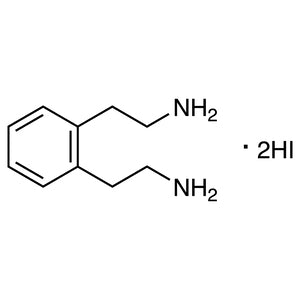
Dihydroiodide TCI B6569
Regular price From Rp 1.936.200,00Regular price -
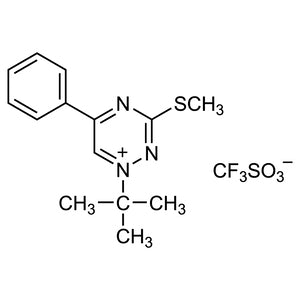
Trifluoromethanesulfonate TCI B7003
Regular price From Rp 1.936.200,00Regular price
![5,10-Bis(4,4,5,5-tetramethyl-1,3,2-dioxaborolan-2-yl)naphtho[1,2-c:5,6-c']bis([1,2,5]oxadiazole) - TCI B5774 - AMI Scientific](http://amiscientific.com/cdn/shop/files/TCI2510B5774.jpg?v=1769180228&width=533)