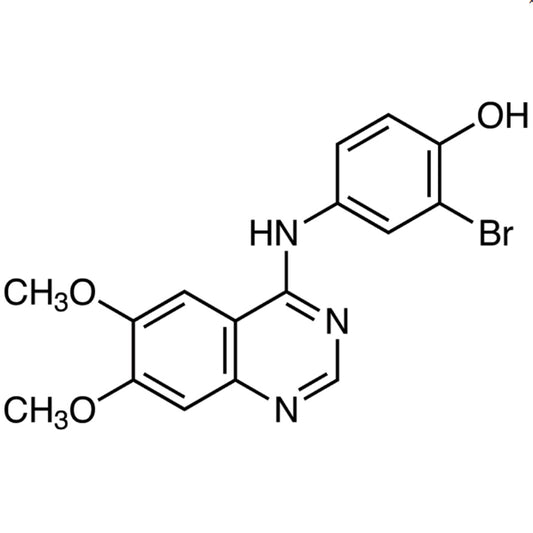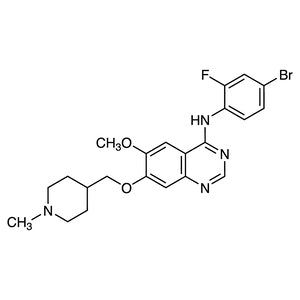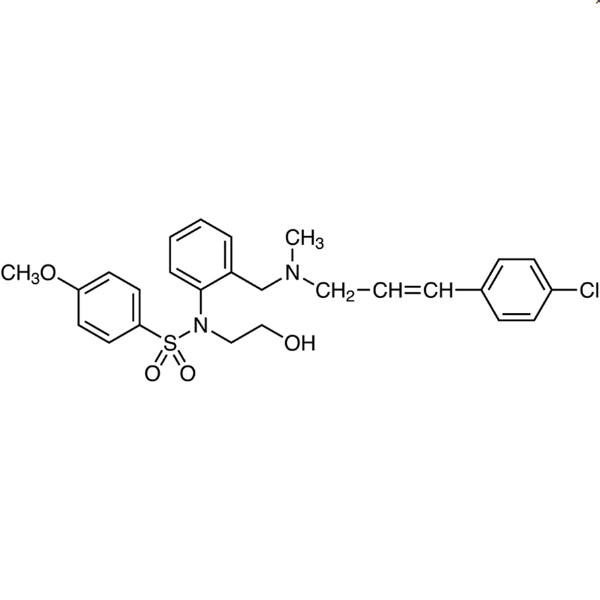
TCI K0055 139298-40-1 KN-93 is a chemical compound widely used in life science research, particularly in the fields of cell signaling and neuroscience. This compound plays a crucial role in laboratory settings by enabling researchers to manipulate and study cellular signaling pathways. Its ability to act as a modulator allows scientists to investigate the complex mechanisms underlying biological processes. As a key reagent, it supports a wide range of experimental approaches, making it an essential tool for both basic and applied research.
The chemical properties of TCI K0055 139298-40-1 KN-93 make it a preferred choice for laboratory use. It exhibits stability and reactivity, which are vital for maintaining the integrity of experimental results. Its compatibility with various biochemical and chemical reactions ensures versatility in application. Additionally, its ability to selectively influence specific signaling pathways without disrupting others enhances its utility in precision research. These characteristics contribute to its reliability and effectiveness in scientific investigations.
In Indonesian laboratories, TCI K0055 139298-40-1 KN-93 is commonly used in applied research areas such as drug development, neurodegenerative studies, and cellular research. Researchers across various institutions rely on this compound to explore disease mechanisms and cellular responses to therapeutic interventions. Its availability in multiple packaging formats supports its use in both small-scale and large-scale experiments, making it a valuable resource for scientific inquiry.
- Drug development research utilizes this compound to study the effects of potential therapeutic agents on cellular signaling pathways.
- Neurodegenerative disease studies benefit from its ability to modulate specific signaling mechanisms associated with neuronal function and dysfunction.
- Cellular signaling experiments rely on its capacity to selectively activate or inhibit pathways, enabling precise investigation of biological responses.
- Biochemical assays use the compound to test interactions between signaling molecules and their target proteins under controlled conditions.
- Toxicology research incorporates it to assess the impact of chemical exposure on cellular communication and metabolic processes.
| Brand | TCI |
|---|---|
| CAS number | 139298-40-1 |
| Molecular formula | — |
| Purity | — |
| Category | Life Science > Cell Biology > Cell Signaling and Neuroscience |
| Pack sizes | Available in multiple sizes to suit different experimental needs |
| Physical form | — |
| Storage | Store in a cool, dry place away from direct sunlight |
This compound should be stored in a cool, dry environment, away from direct sunlight and sources of heat. It is recommended to use airtight containers to prevent moisture absorption and contamination. Due to its chemical reactivity, it should be handled with appropriate personal protective equipment, including gloves and safety goggles. Ensure that it is kept in a well-ventilated area to minimize exposure risks. Avoid contact with incompatible substances to maintain its stability and effectiveness. Proper labeling of storage containers is essential for safe handling and easy identification.
—
Produk Terkait
-
Imatinib TCI I0906
Regular price From Rp 1.326.150,00Regular price -
WHI-P180Hydrochloride TCI W0021
Regular price Rp 3.340.050,00Regular price -
WHI-P154 TCI W0013
Regular price From Rp 2.491.650,00Regular price -
Wortmannin TCI W0007
Regular price Rp 11.580.450,00Regular price -
VE-821 TCI V0206
Regular price From Rp 2.889.600,00Regular price -
Vandetanib TCI V0199
Regular price From Rp 2.121.000,00Regular price -
UK-5099 TCI U0146
Regular price Rp 4.823.700,00Regular price -
SU1498 TCI U0103
Regular price From Rp 3.578.400,00Regular price