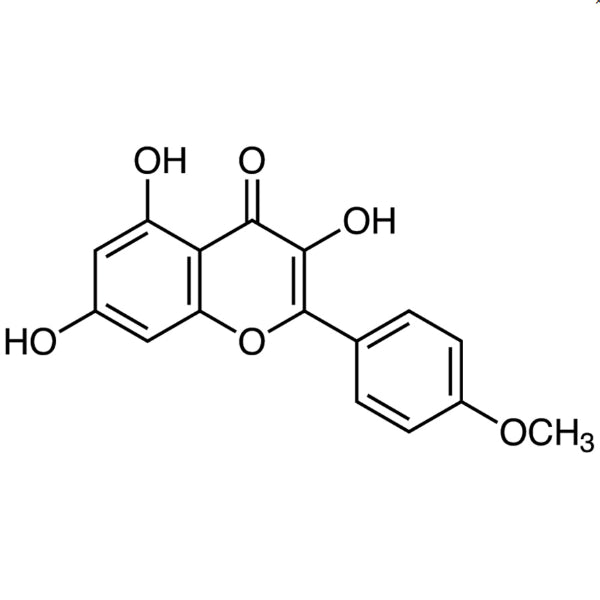
Kaempferide is a chemical compound classified under phenylpropanoids and aromatic poliketides, playing a crucial role in biochemical and pharmacological research. It is a flavonoid compound found naturally in various medicinal plants, making it an essential reagent for studying bioactive compounds in natural materials. In the laboratory, it is widely used for analyzing the composition of active ingredients in plant-based substances and serves as a key component in the synthesis of other chemical compounds. Its presence in scientific studies contributes to understanding the biological mechanisms of plant-derived compounds and their potential therapeutic applications.
Kaempferide is valued for its high antioxidant activity, which makes it a preferred choice in research focused on cellular protection against free radicals. Its chemical stability under certain conditions, combined with its sensitivity to light and oxidation, requires careful handling and storage. The compound’s ability to interact with various enzymes and proteins further enhances its utility in biochemical studies. These properties make it an important tool for researchers exploring the pharmacological and biochemical properties of natural products.
In Indonesian laboratories, kaempferide is commonly used in scientific research across multiple disciplines, including pharmacy, biotechnology, and ecology. It is frequently applied in studies related to the biological activities of natural compounds, particularly in the development of new drugs and the investigation of plant-based therapies. Its role in supporting scientific innovation and discovery is significant, especially in the context of Indonesia’s growing research initiatives in natural product chemistry.
TCI brochures (PDF)
- Polyphenols 2024-12-05 · p. 1
- Phytochemicals 2025-12-17 · p. 11
- Used in pharmacological research for studying the biological effects of natural compounds due to its antioxidant properties and molecular structure.
- Applied in biochemical studies to investigate enzyme interactions and protein binding, aiding in drug discovery and development.
- Utilized in phytochemical analysis to identify and characterize bioactive compounds in medicinal plants and herbal extracts.
- Employed in biotechnology for the synthesis of novel chemical compounds and the development of bioactive agents.
- Incorporated in ecological research to study the role of plant-derived compounds in environmental and biological systems.
| Brand | TCI |
|---|---|
| CAS number | 491-54-3 |
| Molecular formula | — |
| Purity | — |
| Category | Life Science > Biochemicals and Reagents > Phenylpropanoids, Aromatic Poliketides |
| Pack sizes | Available in various quantities as per supplier specifications |
| Physical form | Solid, typically in crystalline or powder form |
| Storage | Store in a cool, dark place away from light and oxidizing agents |
Kaempferide should be stored in a cool, dark environment to prevent degradation due to light exposure and oxidation. It is recommended to use amber-colored glass containers to minimize light exposure. The compound should be kept in a dry place, away from moisture and potential contaminants. Due to its sensitivity, it is important to handle kaempferide with care, using appropriate personal protective equipment such as gloves and safety goggles. Proper labeling and storage conditions are essential to maintain its chemical integrity and ensure safe handling in the laboratory setting.
—
Produk Terkait
-
Kaempferol TCI K0018
Regular price From Rp 3.207.750,00Regular price -
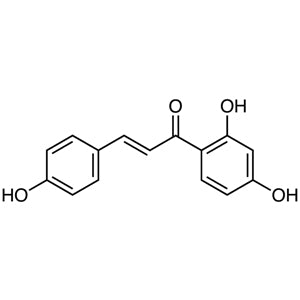
Isoliquiritigenin TCI I0822
Regular price From Rp 1.035.300,00Regular price -
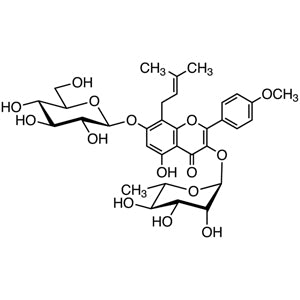
Icariin TCI I0862
Regular price From Rp 1.829.100,00Regular price -
Xanthohumol TCI X0068
Regular price Rp 13.249.950,00Regular price -
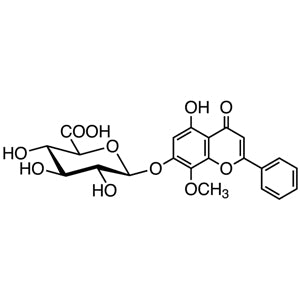
Wogonoside TCI W0012
Regular price From Rp 5.672.100,00Regular price -
Wogonin TCI W0010
Regular price From Rp 4.188.450,00Regular price -
PotengriffiosideA TCI T4196
Regular price Rp 7.844.550,00Regular price -
Tectochrysin TCI T4185
Regular price Rp 4.823.700,00Regular price