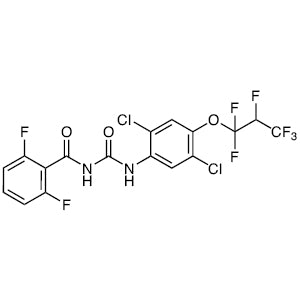
Lufenuron is a chemical compound widely used in nutrition and cell biology research. As a neuropeptide receptor inhibitor, it plays a key role in regulating physiological responses across various organisms. This compound is essential for experiments that require testing the effects of substances on metabolism and behavior. In laboratory settings, Lufenuron is frequently employed to study the mechanisms of nutritional regulation and its impact on cell growth and activity. Its chemical stability and solubility in organic solvents like ethyl acetate and acetone make it a versatile tool for both chemical and biochemical analyses.
Lufenuron is preferred due to its chemical stability and solubility in common organic solvents, which simplifies its use in a variety of analytical methods. Its solid form ensures ease of handling and storage, making it suitable for routine laboratory use. The compound’s relatively high safety profile, when handled properly, adds to its appeal in research environments. These properties collectively make Lufenuron a reliable and efficient reagent for scientific investigations in life sciences.
In Indonesian laboratories, Lufenuron is commonly used in pharmacology, nutrition, and biotechnology research. Local researchers often utilize this compound to study the effects of nutrition on health and organism development. Its availability and ease of use make it a valuable resource for both academic and applied research projects in the region.
- Nutritional Research: Lufenuron is ideal for studying the impact of dietary compounds on metabolic processes and physiological responses in organisms.
- Cell Biology Studies: It is used to investigate how neuropeptide receptors influence cellular behavior and signaling pathways in cultured cells.
- Pharmacological Testing: Lufenuron helps in evaluating the effects of neuropeptide inhibitors on drug response and physiological regulation in experimental models.
- Biotecnological Applications: It supports research into the development of bioactive compounds and their role in organism growth and development.
- Toxicological Studies: Lufenuron is used to assess the safety and effects of neuropeptide inhibitors on biological systems under controlled experimental conditions.
| Brand | TCI |
|---|---|
| CAS number | 103055-07-8 |
| Molecular formula | — |
| Purity | — |
| Category | Life Science > Cell Biology > Nutrition Research |
| Pack sizes | Available in various quantities as per standard laboratory reagent packaging |
| Physical form | Solid |
| Storage | Store in a cool, dry place away from direct sunlight and moisture |
Lufenuron should be stored in a cool, dry environment, away from direct sunlight and moisture to maintain its chemical stability. It is recommended to use airtight containers to prevent exposure to air and humidity, which could affect its integrity. Due to its solubility in organic solvents, it is important to handle it in a well-ventilated area to avoid inhalation of vapors. Proper personal protective equipment, such as gloves and safety goggles, should be worn during handling to ensure laboratory safety. Regular monitoring of storage conditions is advised to ensure the compound remains in optimal condition for research use.
—
Produk Terkait
-
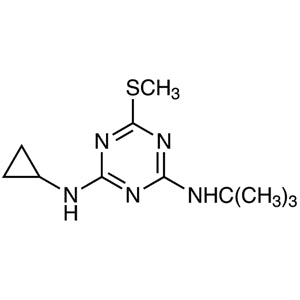
2-(tert-Butylamino)-4-(cyclopropylamino)-6-(methylthio)-1,3,5-triazine TCI I0842
Regular price From Rp 1.644.300,00Regular price -
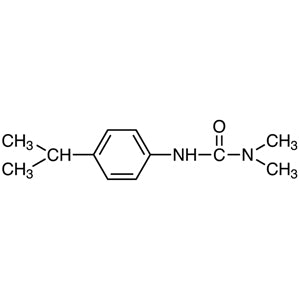
Isoproturon TCI I0843
Regular price From Rp 1.298.850,00Regular price -
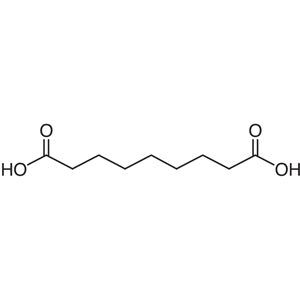
AzelaicAcid TCI A0561
Regular price From Rp 505.050,00Regular price -
AbieticAcid TCI A0001
Regular price From Rp 1.510.950,00Regular price -
Sulfentrazone TCI U0110
Regular price From Rp 2.411.850,00Regular price -
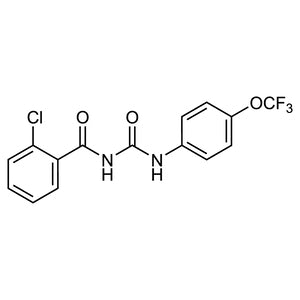
Triflumuron TCI T4364
Regular price From Rp 1.220.100,00Regular price -
Tralopyril TCI T4109
Regular price From Rp 2.730.000,00Regular price -
Tribenuron-methyl TCI T4085
Regular price From Rp 2.359.350,00Regular price