Lithium (Shot, contains mineral oil) is a chemical material in the form of granules commonly used in various laboratory reactions. It is a highly reactive element and belongs to the group of alkali metals, known for its low electronegativity and ability to readily release electrons during redox reactions. This reactivity makes it a valuable component in chemical processes, especially in catalytic applications. Its unique chemical properties allow it to interact with a wide range of compounds, making it a versatile tool in both organic and inorganic chemistry.
The properties that make lithium a preferred choice include its high reactivity, low melting point, and ability to act as a reducing agent. These characteristics enable it to participate in a variety of chemical transformations, particularly in synthesis reactions. Lithium's ability to form stable compounds with different elements also makes it useful in industrial and research applications. Its reactivity with water and air necessitates careful handling, but when properly managed, it remains a critical material for many chemical processes.
In Indonesian laboratories, lithium is frequently used in chemical research and development. It plays a key role in both fundamental and applied studies, supporting the creation of new materials and compounds. Its presence in laboratory settings is essential for advancing scientific knowledge and innovation, especially in fields like materials science and electrochemistry.
TCI brochures (PDF)
- Lithium Compounds for Research and Experimental Use 2026-02-10 · p. 2
- Reducing Agents 2026-04-06 · p. 7
Related TCI products
- TCI Z0015 7440-66-6 Zinc (Powder)
- TCI A0214 144-98-9 DL-Allothreonine (contains Threonine)
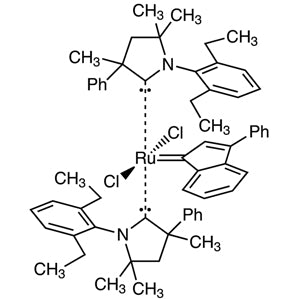
- TCI U0141 2055540-61-7 UltraCat (contains 5% Nitromethane at maximum)
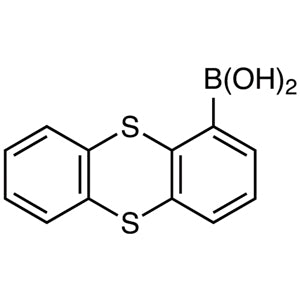
- TCI T3706 108847-76-3 1-Thianthrenylboronic Acid (contains varying amounts of Anhydride)
- TCI T3654 421-53-4 2,2,2-Trifluoro-1,1-ethanediol (contains Total ca 35% Water)
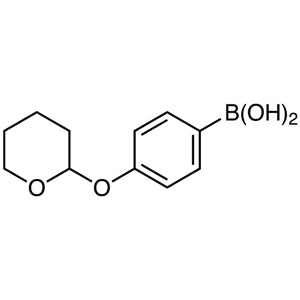
- TCI T3325 182281-01-2 4-(Tetrahydro-2H-pyran-2-yloxy)phenylboronic Acid (contains varying amounts of Anhydride)
- Organic synthesis reactions benefit from lithium's ability to act as a reducing agent and catalyst, enabling the formation of complex organic compounds.
- In inorganic chemistry, lithium is used to synthesize various metal compounds due to its reactivity and ability to form stable ionic bonds.
- Battery research utilizes lithium because of its high electrochemical potential, making it essential for the development of advanced energy storage systems.
- pH regulation in chemical processes often involves lithium due to its capacity to interact with acidic and basic solutions effectively.
- Metal alloy production relies on lithium's ability to reduce the melting point of metals, facilitating the creation of lightweight and durable alloys.
| Brand | TCI |
|---|---|
| CAS number | 7439-93-2 |
| Molecular formula | — |
| Purity | — |
| Category | Chemistry > Catalysis and Inorganic Chemistry > Main-group Elements |
| Pack sizes | Shot |
| Physical form | Granules containing mineral oil |
| Storage | Must be stored in a dry, sealed container away from moisture and air |
Lithium should be stored in a dry, sealed container to prevent exposure to moisture and air, which can cause rapid reactions. It is typically kept in a cool, well-ventilated area away from heat sources and incompatible materials. Suitable containers for storage include glass or plastic vessels that are airtight and resistant to chemical reactions. Laboratory personnel should wear appropriate personal protective equipment, such as gloves and safety goggles, when handling lithium. Due to its high reactivity, lithium must be handled in a controlled environment to ensure safety and prevent accidental reactions. Regular inspection of storage conditions is recommended to maintain the integrity and safety of the material.
—
Product Categories
Produk Terkait
-
Zinc(Powder) TCI Z0015
Regular price Rp 477.750,00Regular priceRp 333.900,00Sale price Rp 477.750,00 -
DL-Allothreonine(containsThreonine) TCI A0214
Regular price From Rp 928.200,00Regular priceRp 664.650,00Sale price From Rp 928.200,00 -
UltraCat(contains5%Nitromethaneatmaximum) TCI U0141
Regular price Rp 3.683.400,00Regular priceRp 2.591.400,00Sale price Rp 3.683.400,00 -
1-ThianthrenylboronicAcid(containsvaryingamountsofAnhydride) TCI T3706
Regular price From Rp 662.550,00Regular priceRp 478.800,00Sale price From Rp 662.550,00 -
2,2,2-Trifluoro-1,1-ethanediol(containsTotalca35%Water) TCI T3654
Regular price From Rp 1.193.850,00Regular priceRp 834.750,00Sale price From Rp 1.193.850,00 -
4-(Tetrahydro-2H-pyran-2-yloxy)phenylboronicAcid(containsvaryingamountsofAnhydride) TCI T3325
Regular price From Rp 1.829.100,00Regular priceRp 1.294.650,00Sale price From Rp 1.829.100,00 -
TrifluoroacetaldehydeMethylHemiacetal(containsca.10%Methanol) TCI T3247
Regular price From Rp 1.033.200,00Regular priceRp 738.150,00Sale price From Rp 1.033.200,00 -
DL-Threonine(containsDL-Allothreonine) TCI T3105
Regular price From Rp 1.298.850,00Regular priceRp 924.000,00Sale price From Rp 1.298.850,00