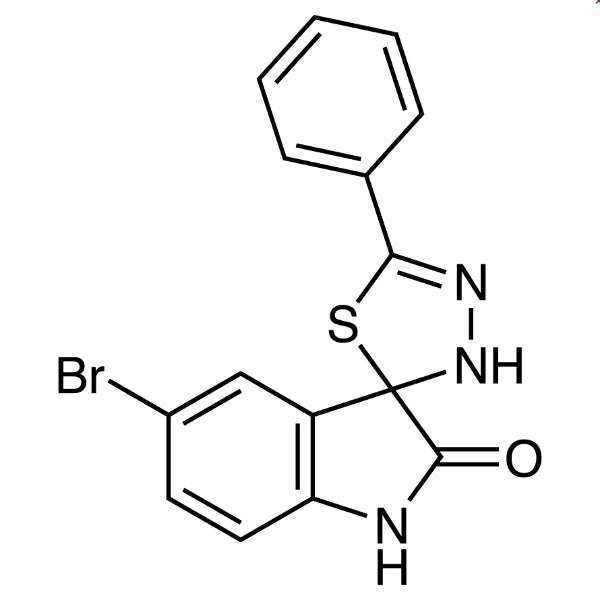
TCI L0435, also known as Lipofermata, is a chemical compound widely used in life science research, particularly in the field of cell biology and cancer research. This material plays a crucial role in laboratory settings by serving as a key reagent in experiments aimed at understanding the mechanisms of cell growth and the development of cancer therapies. Its application extends to the testing of the effects of specific compounds on cancer cells, both in vitro and in vivo, making it an essential tool for researchers seeking to explore new treatment options.
Lipofermata is valued for its chemical stability and solubility in organic solvents, which allows it to be effectively used in a variety of chemical reactions and biological processes. These properties make it a preferred choice for researchers who require reliable and consistent results in their experiments. Additionally, its relatively low toxicity ensures a safer working environment, reducing potential risks for laboratory personnel. This combination of stability, solubility, and safety contributes to its widespread use in various research applications.
In Indonesian laboratories, Lipofermata is commonly utilized in cancer research conducted by research institutions and universities. It is an integral part of efforts to develop new drugs and therapies, supporting both fundamental and applied research in the field of oncology. Its availability and reliability make it a go-to compound for scientists working on innovative cancer treatments and related studies.
- Cancer Cell Growth Inhibition Studies: Lipofermata is used to test the effectiveness of compounds in inhibiting the growth of cancer cells, providing critical data for drug development.
- In Vitro Drug Screening: The compound supports the evaluation of potential therapeutic agents on cultured cancer cells, helping identify promising candidates for further research.
- In Vivo Tumor Model Testing: Lipofermata facilitates the study of how compounds affect tumor development in living organisms, offering insights into their therapeutic potential.
- Mechanism of Action Research: It is employed to investigate the molecular pathways involved in cancer progression, aiding in the discovery of novel treatment strategies.
- Toxicity Assessment Studies: Lipofermata’s low toxicity profile makes it suitable for assessing the safety of new compounds in biological systems.
| Brand | TCI |
|---|---|
| CAS number | 297180-15-5 |
| Molecular formula | — |
| Purity | — |
| Category | Life Science > Cell Biology > Cancer Research |
| Pack sizes | Available in various quantities as per supplier specifications |
| Physical form | Solid or liquid, depending on the formulation |
| Storage | Store in a cool, dry place away from direct sunlight |
Lipofermata should be stored in a cool, dry environment to maintain its chemical stability and prevent degradation. It is recommended to use airtight containers to minimize exposure to moisture and air, which can affect its performance. Laboratory personnel should handle the compound with care, using appropriate personal protective equipment such as gloves and safety goggles. Due to its relatively low toxicity, it is considered safe for routine use, but standard laboratory safety protocols should still be followed. Proper labeling of containers is essential to ensure safe handling and prevent accidental exposure. Regular monitoring of storage conditions is advised to ensure the compound remains effective for research applications.
—
Product Categories
Produk Terkait
-
4-AminobutyricAcid TCI A0282
Regular price From Rp 505.050,00Regular price -
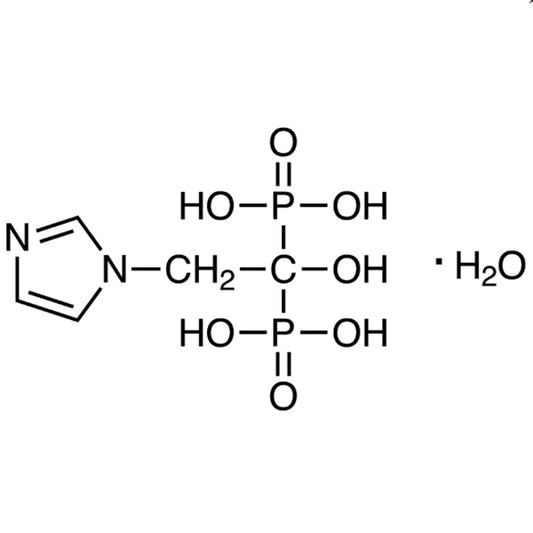
ZoledronicAcidMonohydrate TCI Z0031
Regular price From Rp 2.147.250,00Regular price -
WZB117 TCI W0026
Regular price From Rp 2.889.600,00Regular price -
UK-5099 TCI U0146
Regular price Rp 4.823.700,00Regular price -
UrsolicAcid TCI U0065
Regular price From Rp 1.856.400,00Regular price -
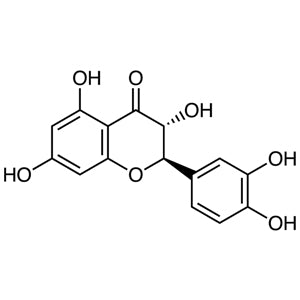
(+)-Taxifolin TCI T3666
Regular price From Rp 3.155.250,00Regular price -
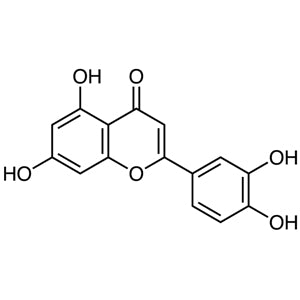
3',4',5,7-Tetrahydroxyflavone TCI T2682
Regular price From Rp 1.565.550,00Regular price -
Triclosan TCI T1872
Regular price From Rp 1.724.100,00Regular price