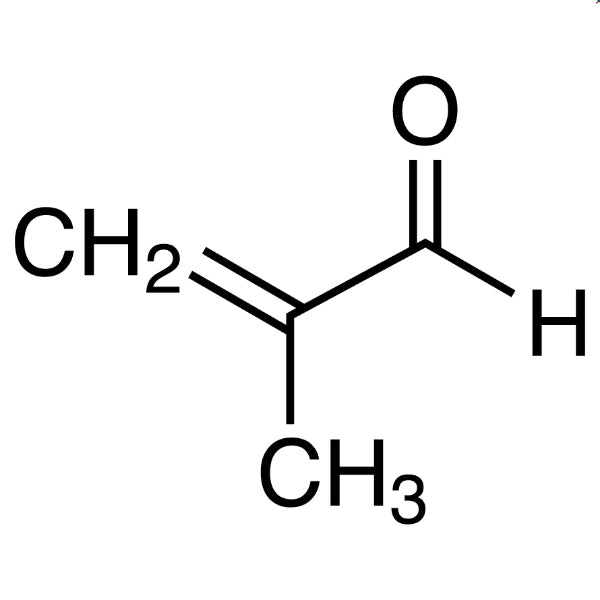
Methacrolein (stabilized with HQ), also known as TCI M0078 78-85-3, is a chemical compound widely used in laboratory settings for its versatile reactivity and functional group. This compound is a key building block in organic chemistry, particularly in the synthesis of polymers, pharmaceuticals, and industrial chemicals. Its structure, featuring an alkenic double bond and a carboxylic acid group, allows it to participate in various chemical reactions such as substitution, polymerization, and addition reactions. Due to its reactivity, Methacrolein plays a crucial role in the development of new compounds and molecular modifications.
The stabilization with hydroquinone (HQ) significantly enhances its stability and shelf life, making it more practical for laboratory use. This additive prevents unwanted degradation and side reactions, ensuring consistent performance during experiments. Methacrolein’s volatility and tendency to evaporate require careful handling, but its stabilization with HQ improves its safety and reliability. The combination of chemical functionality and stability makes it a preferred choice for researchers and chemists.
In Indonesian laboratories, Methacrolein (stabilized with HQ) is extensively used in chemical research, development of new materials, and the production of organic compounds. Its availability, stability, and effectiveness in various reactions make it a go-to reagent for both academic and industrial applications. This compound supports a wide range of experimental needs, contributing to the advancement of chemical science in Indonesia.
- Organic synthesis is a primary application where Methacrolein (stabilized with HQ) is used for its reactivity in forming new carbon-carbon bonds and functional groups.
- Polymer production benefits from Methacrolein's ability to participate in polymerization reactions, contributing to the creation of various polymer materials.
- Pharmaceutical research utilizes this compound due to its role in the synthesis of drug molecules and other bioactive compounds.
- Industrial chemical development relies on Methacrolein for its versatility in creating a wide range of chemical products.
- Analytical chemistry applications take advantage of Methacrolein's reactivity for use in various analytical procedures and reaction mechanisms.
| Brand | TCI |
|---|---|
| CAS number | 78-85-3 |
| Molecular formula | — |
| Purity | — |
| Category | Chemistry > Building Blocks > Non-Heterocyclic Building Blocks |
| Pack sizes | Available in various quantities as per standard laboratory supply |
| Physical form | Liquid |
| Storage | Store in a cool, dark place away from heat and direct sunlight |
Methacrolein (stabilized with HQ) should be stored in a cool, dark environment to maintain its stability and prevent degradation. It is recommended to keep the compound in a tightly sealed container to minimize exposure to air and moisture, which can affect its chemical integrity. Due to its volatility, it is essential to handle this material in a well-ventilated area or fume hood to avoid inhalation risks. Proper personal protective equipment, such as gloves and safety goggles, should always be worn when handling this compound. Additionally, it should be stored away from incompatible substances to ensure safety in the laboratory environment.
—
Produk Terkait
-
TCI B5774 5,10-Bis(4,4,5,5-tetramethyl-1,3,2-dioxaborolan-2-yl)naphtho[1,2-c:5,6-c']bis([1,2,5]oxadiazole)
Regular price Rp 10.255.350,00Regular price -
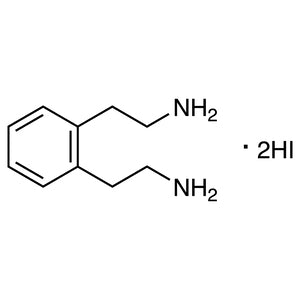
Dihydroiodide TCI B6569
Regular price From Rp 1.936.200,00Regular price -
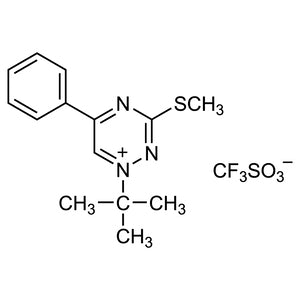
Trifluoromethanesulfonate TCI B7003
Regular price From Rp 1.936.200,00Regular price
![5,10-Bis(4,4,5,5-tetramethyl-1,3,2-dioxaborolan-2-yl)naphtho[1,2-c:5,6-c']bis([1,2,5]oxadiazole) - TCI B5774 - AMI Scientific](http://amiscientific.com/cdn/shop/files/TCI2510B5774.jpg?v=1769180228&width=533)