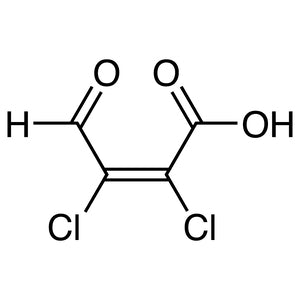
Mucochloric acid (TCI M0472, CAS 87-56-9) is a chemical compound widely used in laboratory settings for its reactivity and versatility. It plays a crucial role in various organic synthesis reactions, serving as a reagent or catalyst in substitution and replacement reactions. This compound is essential for creating complex chemical structures, making it a fundamental building block in chemical research. Its ability to interact with both organic and inorganic compounds allows it to be a key player in diverse chemical processes.
The properties of mucochloric acid make it a preferred choice for laboratory applications. It is a strong acid with corrosive characteristics, which makes it effective in promoting rapid and efficient chemical reactions. Its solubility in water and reactivity with a wide range of substances enhance its utility in experimental setups. Additionally, its availability in solid form and ease of processing make it a practical option for researchers. These features contribute to its widespread use in both academic and industrial laboratories.
In Indonesian laboratories, mucochloric acid is commonly used in chemical synthesis, analytical chemistry, and the development of new compounds. Its role in organic synthesis is particularly significant, where it helps in the formation of complex molecules. Researchers in Indonesia rely on this compound for its reliability and effectiveness in various experimental procedures. Its presence in laboratory workflows underscores its importance in advancing chemical research in the region.
- Organic synthesis where mucochloric acid acts as a reagent to facilitate substitution reactions and structural modifications.
- Analytical chemistry applications due to its reactivity and ability to interact with various compounds for detection and quantification.
- Catalytic processes in which mucochloric acid accelerates reaction rates without being consumed, enhancing efficiency.
- Development of new chemical compounds through its role in creating complex molecular structures.
- Educational and research purposes in Indonesian laboratories where its properties are studied for broader chemical applications.
| Brand | TCI |
|---|---|
| CAS number | 87-56-9 |
| Molecular formula | — |
| Purity | — |
| Category | Chemistry > Building Blocks > Non-Heterocyclic Building Blocks |
| Pack sizes | Available in standard laboratory quantities |
| Physical form | Solid |
| Storage | Store in a cool, dry place away from incompatible materials |
Mucochloric acid should be stored in a cool, dry place, away from direct sunlight and sources of heat. It is recommended to keep it in a tightly sealed container to prevent moisture absorption and contamination. Due to its corrosive nature, it should be stored separately from incompatible substances such as bases and reactive metals. Laboratory personnel should wear appropriate personal protective equipment, including gloves and safety goggles, when handling this material. Proper ventilation is essential to minimize exposure to fumes. Regular monitoring of storage conditions ensures the stability and safety of the compound in the laboratory environment.
—
Produk Terkait
-
TCI B5774 5,10-Bis(4,4,5,5-tetramethyl-1,3,2-dioxaborolan-2-yl)naphtho[1,2-c:5,6-c']bis([1,2,5]oxadiazole)
Regular price Rp 10.255.350,00Regular price -
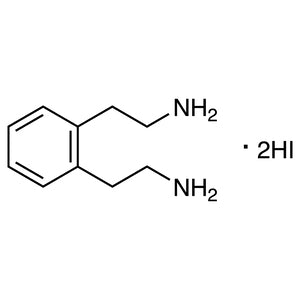
Dihydroiodide TCI B6569
Regular price From Rp 1.936.200,00Regular price -
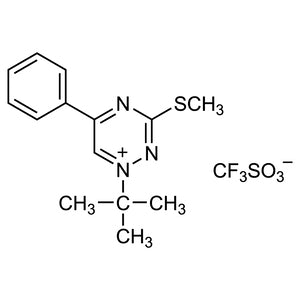
Trifluoromethanesulfonate TCI B7003
Regular price From Rp 1.936.200,00Regular price
![5,10-Bis(4,4,5,5-tetramethyl-1,3,2-dioxaborolan-2-yl)naphtho[1,2-c:5,6-c']bis([1,2,5]oxadiazole) - TCI B5774 - AMI Scientific](http://amiscientific.com/cdn/shop/files/TCI2510B5774.jpg?v=1769180228&width=533)