3-Methyladipic Acid is a chemical compound widely used as a foundational building block in the synthesis of complex organic compounds. It plays a crucial role in laboratory settings where the creation of esters, amides, and polymers is required. This compound is part of the adipic acid family, which is known for its versatility in chemical reactions due to its functional groups. Its high reactivity makes it an essential component in various synthetic pathways, supporting research in pharmaceuticals, industrial chemicals, and specialty materials.
The chemical properties of 3-Methyladipic Acid, including its solubility in organic solvents like ethyl acetate and ethanol, make it highly suitable for a range of experimental procedures. Its stability under certain conditions allows for repeated use in multiple experiments, enhancing efficiency in laboratory workflows. Additionally, its neutral nature and non-corrosive properties contribute to its safety profile, making it a reliable choice for laboratories that prioritize both performance and safety.
In Indonesian laboratories, 3-Methyladipic Acid is commonly used in research and development projects involving organic synthesis. It is particularly favored for its compatibility with standard laboratory equipment and its ability to participate in esterification and substitution reactions. Its availability and consistent performance make it a preferred material for scientists working on drug development, polymer science, and chemical manufacturing processes.
Related TCI products
- Organic synthesis is a key application where 3-Methyladipic Acid is used to create complex molecules through esterification and substitution reactions.
- Pharmaceutical research benefits from this compound due to its ability to form amides and esters, which are common in drug molecules.
- Polymer development utilizes this acid as a building block for creating biodegradable or synthetic polymers with specific properties.
- Industrial chemical production relies on its reactivity and solubility to synthesize intermediate compounds efficiently.
- Analytical chemistry uses it as a standard reference material for testing and calibrating chemical processes and equipment.
| Brand | TCI |
|---|---|
| CAS number | 3058-01-3 |
| Molecular formula | — |
| Purity | — |
| Category | Chemistry > Building Blocks > Non-Heterocyclic Building Blocks |
| Pack sizes | Available in various quantities as per standard laboratory supply formats |
| Physical form | Solid, typically in crystalline or powder form |
| Storage | Store in a cool, dry place away from direct sunlight and moisture |
3-Methyladipic Acid should be stored in a cool, dry environment to maintain its chemical integrity and prevent degradation. It is recommended to use airtight containers to protect it from moisture and contaminants. Due to its neutral nature, it does not require special protective equipment during handling, but standard laboratory safety protocols should still be followed. The compound is non-corrosive, making it safe to handle with common laboratory tools. It is important to ensure proper ventilation when working with this material to avoid inhalation of any airborne particles. Regular inspection of storage conditions is advised to maintain optimal performance and safety in the laboratory setting.
—
Produk Terkait
-
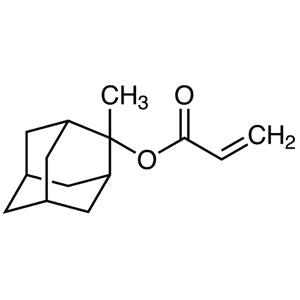
2-Methyladamantan-2-ylAcrylate(stabilizedwithMEHQ) TCI M3223
Regular price From Rp 1.724.100,00Regular price