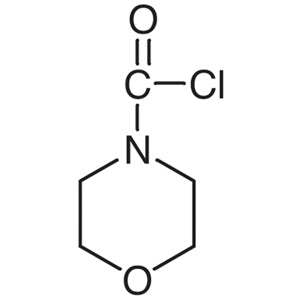

TCI M0935 4-Morpholinylcarbonyl Chloride, CAS number 15159-40-7, is a heterocyclic carbamoyl chloride that combines a morpholine ring with an acyl chloride group attached to its nitrogen atom. This compound is a highly useful acylating reagent because it allows the morpholine-4-carbonyl fragment to be installed into a target molecule in a single reaction step. In organic synthesis and medicinal chemistry laboratories, the material serves as a heterocyclic building block for forming ureas, carbamates, and amides that carry the morpholine motif.
The property that makes this reagent a preferred choice is the high reactivity of its carbamoyl chloride group toward nucleophiles such as amines, alcohols, phenols, and thiols, typically with the assistance of an acid-scavenging base such as triethylamine or pyridine. The morpholine fragment it introduces adds further value, since this ring is widely used to improve aqueous solubility and to tune the physicochemical properties of drug candidates. The material is supplied as a liquid, so it is easily measured by syringe, although it is highly moisture sensitive and hydrolyses with release of hydrogen chloride on exposure to water vapour.
In Indonesian laboratories, this reagent is generally used in university and institutional research settings where heterocyclic building blocks are required for multi-step synthetic routes. It is commonly handled in organic synthesis and medicinal chemistry groups that prepare morpholine-containing intermediates and analogue series. Because the compound is a moisture-sensitive liquid, laboratories here usually dispense it under dry conditions and plan the work around local ambient humidity, which is high for most of the year.
Related TCI products
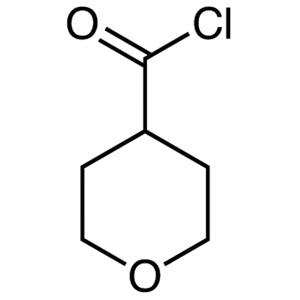
- TCI T3890 40191-32-0 Tetrahydro-2H-pyran-4-carbonyl Chloride
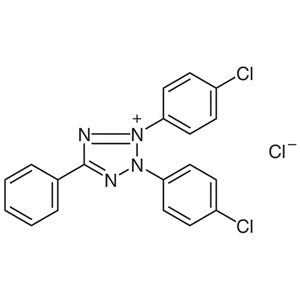
- TCI B1052 135788-08-8 2,3-Bis(4-chlorophenyl)-5-phenyltetrazolium Chloride
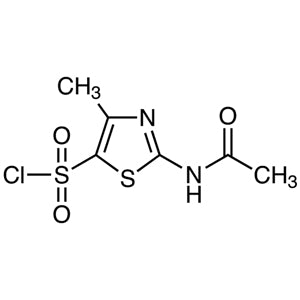
- TCI A3288 69812-29-9 2-Acetamido-4-methylthiazole-5-sulfonyl Chloride
- TCI I0067 146-68-9 2-(4-Iodophenyl)-3-(4-nitrophenyl)-5-phenyltetrazolium Chloride
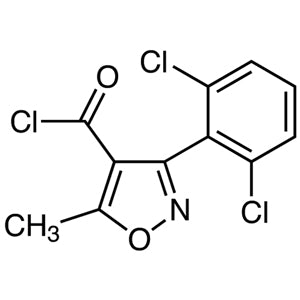
- TCI D4776 4462-55-9 3-(2,6-Dichlorophenyl)-5-methylisoxazole-4-carbonyl Chloride
- TCI D3565 33948-19-5 10,11-Dihydro-5H-dibenzo[b,f]azepine-5-carbonyl Chloride
- Urea synthesis — the carbamoyl chloride reacts readily with primary and secondary amines to deliver morpholine-4-carboxamide ureas in a single step without a separate activation stage.
- Carbamate preparation — alcohols and phenols are acylated by this reagent in the presence of an acid-scavenging base, giving morpholine-4-carboxylate carbamates cleanly and directly.
- Medicinal chemistry analogue series — installing the morpholine-4-carbonyl fragment lets chemists modulate aqueous solubility and physicochemical properties of drug candidates across a related compound set.
- Heterocyclic building block chemistry — the compound introduces a complete morpholine ring in one operation, shortening multi-step synthetic routes toward heterocycle-containing targets.
- Thiocarbamate and thiol acylation — thiols act as nucleophiles toward the carbamoyl chloride group, extending the same one-step morpholine-4-carbonyl transfer to sulfur-based substrates.
| Brand | TCI |
|---|---|
| CAS number | 15159-40-7 |
| Molecular formula | — |
| Purity | — |
| Category | Chemistry > Building Blocks > Heterocyclic Building Blocks |
| Pack sizes | — |
| Physical form | liquid, convenient for syringe transfer |
| Storage | moisture sensitive; store under dry conditions in a tightly sealed container |
- Product code: M0935
Store the container tightly closed in a cool, dry place away from moisture, water sources, and incompatible materials such as bases and strong nucleophiles. Because the compound hydrolyses on contact with water vapour and releases hydrogen chloride, keep the original tightly sealed bottle and dispense the liquid by syringe under a dry inert atmosphere where possible. Handle in a well-ventilated fume hood using chemical-resistant gloves, safety goggles, and a laboratory coat. Allow cold containers to reach ambient temperature before opening to avoid condensation, reseal immediately after use, and consult the manufacturer safety data sheet before first handling.
—
Produk Terkait
-
Tetrahydro-2H-pyran-4-carbonylChloride TCI T3890
Regular price From Rp 1.378.650,00Regular price -
2,3-Bis(4-chlorophenyl)-5-phenyltetrazoliumChloride TCI B1052
Regular price Rp 1.829.100,00Regular price -
2-Acetamido-4-methylthiazole-5-sulfonylChloride TCI A3288
Regular price From Rp 2.094.750,00Regular price -
2-(4-Iodophenyl)-3-(4-nitrophenyl)-5-phenyltetrazoliumChloride TCI I0067
Regular price From Rp 1.167.600,00Regular price -
3-(2,6-Dichlorophenyl)-5-methylisoxazole-4-carbonylChloride TCI D4776
Regular price From Rp 1.140.300,00Regular price -
10,11-Dihydro-5H-dibenzo[b,f]azepine-5-carbonylChloride TCI D3565
Regular price From Rp 2.199.750,00Regular price -
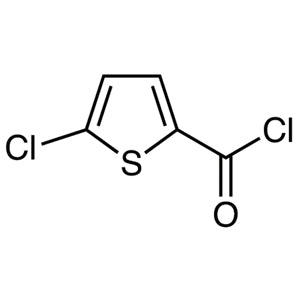
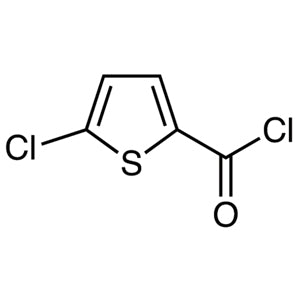
5-Chlorothiophene-2-carbonylChloride TCI C2864
Regular price From Rp 769.650,00Regular price -
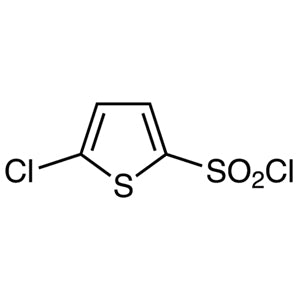
5-Chloro-2-thiophenesulfonylChloride TCI C2343
Regular price From Rp 1.776.600,00Regular price

![10,11-Dihydro-5H-dibenzo[b,f]azepine-5-carbonyl Chloride (CAS 33948-19-5) - TCI D3565 - AMI Scientific](http://amiscientific.com/cdn/shop/files/TCI2510D3565.jpg?v=1767106254&width=533)