


TTC (2-(4-Iodophenyl)-3-(4-nitrophenyl)-5-phenyltetrazolium Chloride) is a chemical compound widely used in laboratory settings, particularly in biochemical and pharmaceutical research. It serves as a key reagent in enzymatic activity assays, where it acts as a substrate for reduction reactions. Its role is critical in measuring the activity of dehydrogenase enzymes, making it an essential tool for researchers studying metabolic processes and cellular respiration. TTC is also valuable in the synthesis of heterocyclic compounds due to its reactive tetrazolium structure.
The compound's unique chemical structure, featuring iodophenyl and nitrophenyl groups, contributes to its reactivity and versatility in various chemical reactions. Its stability under controlled conditions ensures consistent performance in experiments, while its availability in standard chemical markets makes it accessible for routine use. These properties make TTC a preferred choice for scientists seeking a reliable and effective substrate in enzymatic studies and synthetic applications.
In Indonesian laboratories, TTC is commonly used in biomedical, pharmaceutical, and organic chemistry research. It supports the development of new compounds and the evaluation of biological activities. Its widespread use in academic and research institutions highlights its importance in advancing scientific knowledge and innovation within the local scientific community.
Related TCI products
- TCI B3581 1871-22-3 Blue Tetrazolium [for Biochemical Research]
- TCI D0943 1871-22-3 Blue Tetrazolium
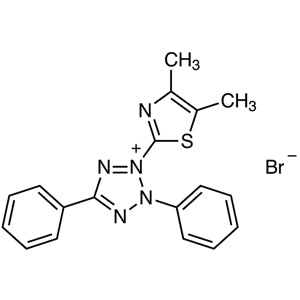
- TCI D0801 298-93-1 3-(4,5-Dimethyl-2-thiazolyl)-2,5-diphenyltetrazolium Bromide
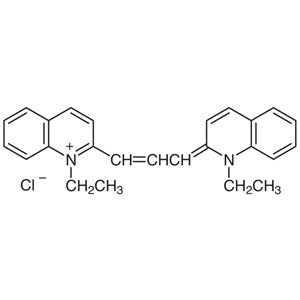
- TCI P0156 2768-90-3 Pinacyanol Chloride
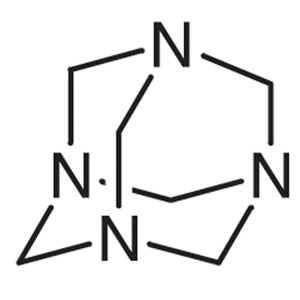
- TCI H0093 100-97-0 Hexamethylenetetramine
- TCI A5105 61-73-4 Methylene Blue [Ion association reagent for spectrophotometric analysis]
- Enzymatic Activity Assays: TTC is ideal for measuring dehydrogenase activity due to its ability to undergo reduction reactions, providing a clear and measurable response.
- Biochemical Research: Its role in detecting metabolic processes makes it a valuable tool in studying cellular respiration and metabolic pathways.
- Organic Synthesis: The compound's reactive tetrazolium structure enables it to participate in the synthesis of heterocyclic compounds, supporting the development of new pharmaceuticals.
- Biomedical Studies: TTC is used in experiments that require the assessment of enzyme activity in biological systems, aiding in the understanding of disease mechanisms.
- Pharmacological Testing: Its application in drug development helps researchers evaluate the efficacy of compounds in enzyme-based assays.
| Brand | TCI |
|---|---|
| CAS number | 146-68-9 |
| Molecular formula | — |
| Purity | — |
| Category | Chemistry > Building Blocks > Heterocyclic Building Blocks |
| Pack sizes | Available in standard chemical packaging sizes |
| Physical form | Solid powder |
| Storage | Store in a cool, dry place away from light |
TTC should be stored in a cool, dry environment, away from direct sunlight and sources of heat. It is recommended to keep the compound in a sealed container to prevent moisture absorption and maintain its chemical integrity. Due to its reactive nature, it should be handled with care, using appropriate personal protective equipment such as gloves and safety goggles. Avoid exposure to incompatible substances, and ensure proper ventilation in the workspace. Regular inspection of storage conditions is advised to ensure the compound remains stable and suitable for use in laboratory applications.
—
Produk Terkait
-
BlueTetrazolium[forBiochemicalResearch] TCI B3581
Regular price From Rp 1.246.350,00Regular price -
BlueTetrazolium TCI D0943
Regular price Rp 1.115.100,00Regular price -
3-(4,5-Dimethyl-2-thiazolyl)-2,5-diphenyltetrazoliumBromide TCI D0801
Regular price From Rp 2.147.250,00Regular price -
PinacyanolChloride TCI P0156
Regular price From Rp 903.000,00Regular price -
Hexamethylenetetramine TCI H0093
Regular price From Rp 477.750,00Regular price -
MethyleneBlue[Ionassociationreagentforspectrophotometricanalysis] TCI A5105
Regular price Rp 955.500,00Regular price -
MalachiteGreen,Oxalate[SensitivespectrophotometricreagentforPO4] TCI A5100
Regular price Rp 2.332.050,00Regular price -
DAPI2HCl[forBiochemicalResearch] TCI A2412
Regular price Rp 1.590.750,00Regular price
![1871-22-3 Blue Tetrazolium [for Biochemical Research] - AMI Scientific](http://amiscientific.com/cdn/shop/files/TCI2510B3581_25792e25-dbc5-4e62-a711-c5f5176b1b02.jpg?v=1767433226&width=533)

![61-73-4 Methylene Blue [Ion association reagent for spectrophotometric analysis] - AMI Scientific](http://amiscientific.com/cdn/shop/files/TCI2510A5105.jpg?v=1767084859&width=533)
![2437-29-8 Malachite Green, Oxalate [Sensitive spectrophotometric reagent for PO4] - AMI Scientific](http://amiscientific.com/cdn/shop/files/TCI2510A5100.jpg?v=1767084843&width=533)
![28718-90-3 DAPI 2HCl [for Biochemical Research] - AMI Scientific](http://amiscientific.com/cdn/shop/files/TCI2510A2412.jpg?v=1767082817&width=533)