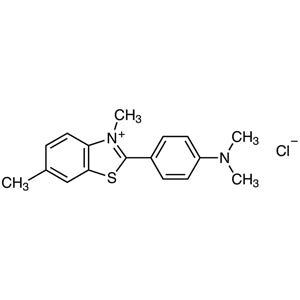
![28718-90-3 DAPI 2HCl [for Biochemical Research] - AMI Scientific](http://amiscientific.com/cdn/shop/files/TCI2510A2412.jpg?v=1767082817&width=1946)
![28718-90-3 DAPI 2HCl [for Biochemical Research] - AMI Scientific](http://amiscientific.com/cdn/shop/files/TCI2510A2412.jpg?v=1767082817&width=1445)
DAPI 2HCl is a chemical compound widely used in biochemical research to enhance the visualization of cellular structures and nuclear components. It serves as a fluorescent dye that binds specifically to DNA, making it an essential tool in cell staining applications. In the laboratory, DAPI 2HCl is employed to stain cell nuclei, allowing researchers to observe changes in morphology and genetic activity under fluorescence microscopy. Its ability to provide high-resolution images makes it a valuable asset in various biological studies.
One of the key properties that make DAPI 2HCl a preferred choice is its strong fluorescence characteristics. This enables clear and detailed imaging of cellular nuclei, even at low concentrations. Additionally, DAPI 2HCl is stable under certain conditions and resists degradation, ensuring consistent results across experiments. Its non-toxic nature also allows for safe use in sample preparation without compromising cell integrity, making it suitable for a wide range of applications in life sciences.
In Indonesian laboratories, DAPI 2HCl is commonly used in biomedical research, pharmacology, and cell biology. It is particularly favored in academic institutions and research centers that require microscopic analysis of cellular structures. Its reliability and effectiveness have made it a standard component in many experimental protocols, supporting both basic and applied research in the life sciences.
Advantages (TCI brochure)
- DAPI fluorescence is detected in central root cells after TOMEI-II treatment (Fig 3f).
TCI brochures (PDF)
- Rapid Transparency Reagent for Plants TOMEI 2024-02-16 · p. 2
- Plants Tissue-Clearing Reagent Suitable for Fluorescent Protein Observation iTOMEI 2023-06-06 · p. 2
- Cell Biology Reagents 2025-07-23 · p. 2
- Cell Imaging Reagents 2026-06-25 · p. 2
- Organelle Research Reagents 2026-08-06 · p. 2
- Streptavidins and Related Reagents 2025-02-28 · p. 1
Related TCI products
- TCI H1343 23491-45-4 Bisbenzimide H 33258 [for Biochemical Research]
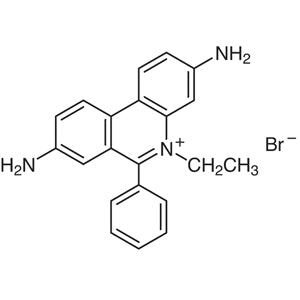
- TCI E0370 1239-45-8 Ethidium Bromide
- TCI N0864 90-15-3 1-Naphthol [for Biochemical Research]
- TCI D3757 868272-85-9 3,3'-Diaminobenzidine Tetrahydrochloride Hydrate [for Biochemical Research]
- TCI D3756 91-95-2 3,3'-Diaminobenzidine [for Biochemical Research]
- TCI C2291 604-44-4 4-Chloro-1-naphthol [for Biochemical Research]
- Fluorescent Cell Staining: DAPI 2HCl is ideal for staining cell nuclei, enabling clear visualization under fluorescence microscopy for detailed cellular analysis.
- Nuclear Imaging Studies: Its strong fluorescence allows researchers to study nuclear morphology and DNA distribution in various cell types with high precision.
- Genetic Activity Monitoring: DAPI 2HCl helps in observing changes in genetic activity by highlighting nuclear structures during cell division or stress responses.
- Microscopy Research: It is widely used in fluorescence microscopy to enhance the contrast and clarity of cellular components, especially in biomedical and pharmacological studies.
- Sample Preparation for Analysis: Its non-toxic properties make it suitable for preparing biological samples without disrupting cellular structures for further analysis.
From the TCI brochure
- Nuclear staining in fluorescence observation of TOMEI-cleared samples
| Brand | TCI |
|---|---|
| CAS number | 28718-90-3 |
| Molecular formula | — |
| Purity | — |
| Category | Life Science > Cell Culture > Cell Staining |
| Pack sizes | Available in various quantities as per standard laboratory supply |
| Physical form | Solid or powder, depending on formulation |
| Storage | Store in a cool, dark place away from moisture and light |
Data from the TCI brochure
| Konsentrasi pewarnaan | 5 μg/mL, 30 menit (DAPI staining (footnote *1, Application 1 and *3, Application 2)) |
|---|
Source: TCI brochure LL055 (2024-02-16)
DAPI 2HCl should be stored in a cool, dark environment to maintain its stability and prevent degradation. It is recommended to keep the compound in a tightly sealed container to avoid exposure to moisture and light, which can affect its fluorescence properties. In a laboratory setting, it is important to handle DAPI 2HCl with care, using appropriate protective equipment such as gloves and safety goggles. While it is generally non-toxic, it is advisable to follow standard laboratory safety protocols to ensure safe handling and minimize any potential risks. Proper storage and handling will help preserve the integrity and effectiveness of the compound for long-term use in research applications.
—
Product Categories
- Cell CultureCell Staining
- Cell Culture
- Biochemicals and ReagentsFluorescent Probes, Fluorescent Labels, Fluorescent StainsFluorescent Stains
- Biochemicals and ReagentsLuminescent Compounds/Detection
- Cell BiologyCell Staining
- Cell BiologyCell and Tissue ImagingFluorescent Stains
- Cell Biology
- MicrobiologyStaining for MicrobiologyGram Staining
- Molecular BiologyProteomicsPost-Translational Modification
Produk Terkait
-
BisbenzimideH33258[forBiochemicalResearch] TCI H1343
Regular price Rp 1.458.450,00Regular price -
EthidiumBromide TCI E0370
Regular price From Rp 1.431.150,00Regular price -
1-Naphthol[forBiochemicalResearch] TCI N0864
Regular price From Rp 477.750,00Regular price -
3,3'-DiaminobenzidineTetrahydrochlorideHydrate[forBiochemicalResearch] TCI D3757
Regular price From Rp 1.273.650,00Regular price -
3,3'-Diaminobenzidine[forBiochemicalResearch] TCI D3756
Regular price From Rp 743.400,00Regular price -
4-Chloro-1-naphthol[forBiochemicalResearch] TCI C2291
Regular price From Rp 689.850,00Regular price -
BlueTetrazolium[forBiochemicalResearch] TCI B3581
Regular price From Rp 1.246.350,00Regular price -
BasicYellow1 TCI T0558
Regular price Rp 2.094.750,00Regular price
![23491-45-4 Bisbenzimide H 33258 [for Biochemical Research] - AMI Scientific](http://amiscientific.com/cdn/shop/files/TCI2510H1343.jpg?v=1767117845&width=533)
![90-15-3 1-Naphthol [for Biochemical Research] - AMI Scientific](http://amiscientific.com/cdn/shop/files/TCI2510N0864.jpg?v=1767130445&width=533)
![3,3'-Diaminobenzidine Tetrahydrochloride Hydrate [for Biochemical Research] (CAS 868272-85-9) - TCI D3757 - AMI Scientific](http://amiscientific.com/cdn/shop/files/TCI2510D3757.jpg?v=1767106514&width=533)
![3,3'-Diaminobenzidine [for Biochemical Research] (CAS 91-95-2) - TCI D3756 - AMI Scientific](http://amiscientific.com/cdn/shop/files/TCI2510D3756.jpg?v=1767106510&width=533)
![4-Chloro-1-naphthol [for Biochemical Research] (CAS 604-44-4) - TCI C2291 - AMI Scientific](http://amiscientific.com/cdn/shop/files/TCI2510C2291.jpg?v=1767098083&width=533)
![1871-22-3 Blue Tetrazolium [for Biochemical Research] - AMI Scientific](http://amiscientific.com/cdn/shop/files/TCI2510B3581_25792e25-dbc5-4e62-a711-c5f5176b1b02.jpg?v=1767433226&width=533)