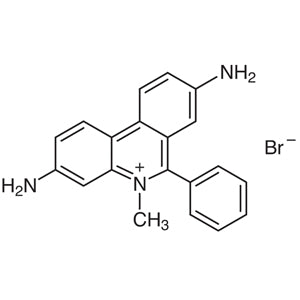
TCI E0370 Ethidium Bromide is a nucleic acid intercalating dye that has served for decades as a dependable reagent for the visualization of DNA and RNA in molecular biology laboratories. The molecule inserts itself between the base pairs of double-stranded nucleic acids, and once bound, its fluorescence intensity increases sharply under ultraviolet illumination. Its practical role is straightforward: after samples have been resolved by electrophoresis on an agarose gel, this dye converts DNA bands that would otherwise remain invisible into glowing bands that can be photographed, measured, and compared against a molecular size marker.
The characteristics that keep this material in continuous use are its high detection sensitivity toward very small quantities of DNA, the simplicity of the working procedure, and its compatibility with virtually every agarose gel electrophoresis system in circulation. The dye can be mixed directly into the gel before it sets, or it can be used as a post-electrophoresis soaking solution, so the workflow can be adapted to the established habits of each individual laboratory. The signal produced is stable, easy to read on a UV transilluminator as well as on digital gel documentation systems, and consistent from run to run.
In Indonesian laboratories, this reagent is a routine fixture wherever agarose gel electrophoresis is performed. It is used in university molecular biology teaching and research laboratories, in diagnostic and testing facilities that verify PCR products, and in institutional laboratories where DNA and RNA preparations must be checked before downstream work proceeds. Because the handling procedure is simple and the equipment required is already present in most gel rooms, the dye fits readily into existing routines without additional instrumentation.
TCI brochures (PDF)
- Efflux Pump Research Reagents 2024-12-24 · p. 1
- Reagents for Biological Research 2025-03-11 · p. 7
- Agarose gel electrophoresis of DNA — the dye binds to separated fragments and renders them as fluorescent bands under UV light, making band position and size comparison against a molecular weight marker possible.
- Verification of PCR products — amplified fragments can be confirmed for presence and approximate size directly on the gel, since the dye detects even very small quantities of DNA with high sensitivity.
- Checking RNA preparations — as an intercalator active on nucleic acids, the dye allows electrophoresed RNA samples to be inspected visually before further downstream procedures are carried out.
- Gel documentation and imaging work — the stable fluorescent signal is read reliably by UV transilluminators and by digital gel documentation systems, so images can be photographed, stored, and compared.
- Routine quality checks on extracted nucleic acids — laboratories use the dye to confirm that DNA or RNA isolates are intact and present before committing material to more demanding experiments.
| Brand | TCI |
|---|---|
| CAS number | 1239-45-8 |
| Molecular formula | — |
| Purity | — |
| Category | Life Science > Cell Culture > Cell Staining |
| Pack sizes | available in the catalogue pack sizes offered by TCI for this item |
| Physical form | supplied as a nucleic acid staining reagent for agarose gel electrophoresis |
| Storage | store according to the conditions stated on the product label and in the manufacturer's documentation |
Store the material in its original, tightly closed container under the conditions indicated on the product label, protected from light and kept away from heat sources. Containers should be chemically compatible and clearly labelled, and stock solutions should be kept in sealed vessels within a designated storage area. Because this is a nucleic acid intercalating dye, handling should follow standard laboratory precautions: wear gloves, a laboratory coat, and eye protection, work in a well-ventilated area or designated gel station, and avoid direct skin contact with the powder or solution. Gels, solutions, gloves, and contaminated consumables should be segregated from ordinary laboratory waste and disposed of according to institutional chemical waste procedures. When reading gels, use appropriate shielding for UV exposure.
—
Product Categories
- Cell CultureCell Staining
- Cell Culture
- Biochemicals and ReagentsFluorescent Probes, Fluorescent Labels, Fluorescent StainsFluorescent Stains
- Biochemicals and ReagentsLuminescent Compounds/Detection
- Cell BiologyCell Staining
- Cell BiologyCell and Tissue ImagingFluorescent Stains
- Cell Biology
- MicrobiologyStaining for MicrobiologyGram Staining
- MicrobiologyEfflux Pump ResearchDyes for Efflux Pump Assay
- Molecular Biology
- Molecular BiologyProteomicsPost-Translational Modification
Produk Terkait
-
DimidiumBromide TCI D1815
Regular price From Rp 5.724.600,00Regular priceRp 4.018.350,00Sale price From Rp 5.724.600,00 -
DAPI2HCl[forBiochemicalResearch] TCI A2412
Regular price Rp 1.643.250,00Regular priceRp 1.164.450,00Sale price Rp 1.643.250,00 -
BisbenzimideH33258[forBiochemicalResearch] TCI H1343
Regular price Rp 1.510.950,00Regular priceRp 1.072.050,00Sale price Rp 1.510.950,00 -
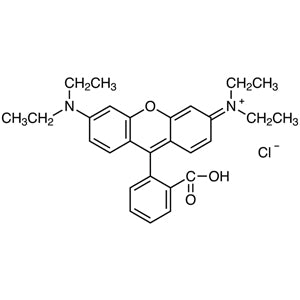
RhodamineB TCI R0040
Regular price From Rp 1.167.600,00Regular priceRp 815.850,00Sale price From Rp 1.167.600,00 -
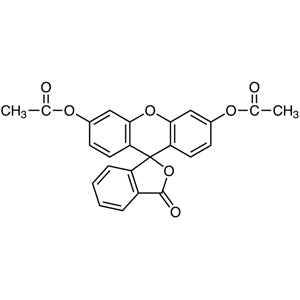
FluoresceinDiacetate TCI F0240
Regular price Rp 1.538.250,00Regular priceRp 1.090.950,00Sale price Rp 1.538.250,00 -
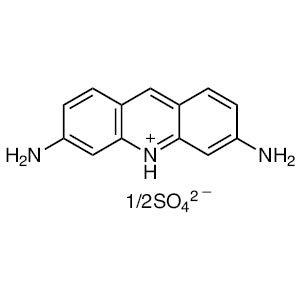
ProflavineHemisulfate TCI D0073
Regular price From Rp 1.298.850,00Regular priceRp 924.000,00Sale price From Rp 1.298.850,00 -
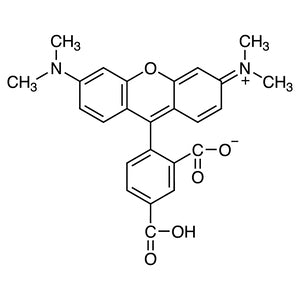
5-TAMRA TCI C2686
Regular price Rp 4.957.050,00Regular priceRp 3.466.050,00Sale price Rp 4.957.050,00 -
BasicYellow1 TCI T0558
Regular price Rp 2.094.750,00Regular priceRp 1.464.750,00Sale price Rp 2.094.750,00

![TCI A2412 28718-90-3 DAPI 2HCl [for Biochemical Research]](http://amiscientific.com/cdn/shop/files/TCI2510A2412_dd4c58ba-0110-4f0a-9fac-0a9502cdfc92.jpg?v=1792657534&width=533)
![28718-90-3 DAPI 2HCl [for Biochemical Research] - AMI Scientific](http://amiscientific.com/cdn/shop/files/TCI2510A2412.jpg?v=1767082817&width=533)
![TCI H1343 23491-45-4 Bisbenzimide H 33258 [for Biochemical Research]](http://amiscientific.com/cdn/shop/files/TCI2510H1343_c4a19cde-357d-4be7-bb78-dc470efa86e2.jpg?v=1792644556&width=533)
![23491-45-4 Bisbenzimide H 33258 [for Biochemical Research] - AMI Scientific](http://amiscientific.com/cdn/shop/files/TCI2510H1343.jpg?v=1767117845&width=533)